





Why Safety Matters, Even for 'Just Breathing'
While breathing is a natural process, conscious breathwork is different. It involves deliberately changing your breathing patterns to influence your nervous system. When done incorrectly, especially by forcing the breath or attempting advanced techniques
too soon, it can lead to dizziness, lightheadedness, or even an increase in anxiety. The goal for a beginner is not intensity but gentle consistency. Starting slowly allows your body to adapt safely and ensures the experience is calming, not stressful. It’s about building a positive relationship with your breath, which is a foundation for long-term practice.
Setting the Stage for Success
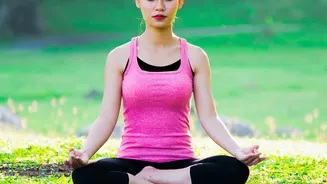
Your environment plays a big role in a successful practice. Find a quiet spot where you are unlikely to be disturbed for five to ten minutes. You can sit comfortably in a chair with your back straight or lie on your back. There’s no need for a special posture, as long as your spine is relatively straight and you feel relaxed. Wear loose, comfortable clothing that doesn’t restrict your belly or chest. Avoid practicing on a full stomach; wait a couple of hours after a large meal.
A Foundational Technique: Diaphragmatic Breathing
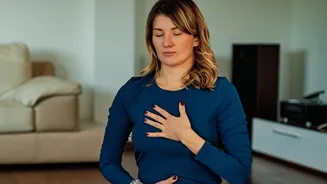
Diaphragmatic, or 'belly', breathing is the cornerstone of almost all breathwork. Many of us develop a habit of shallow 'chest breathing', but learning to use the diaphragm—the large muscle at the base of your lungs—is key to a relaxing breath. To start, lie on your back with your knees bent and place one hand on your upper chest and the other on your belly, just below your ribcage. Breathe in slowly through your nose, focusing on letting your belly rise and push your hand up. The hand on your chest should remain as still as possible. Then, exhale slowly through pursed lips, as if blowing through a straw, and feel your belly fall. This simple act activates the body’s relaxation response.
The 4-4-4 Box Breathing Method
Once you're comfortable with belly breathing, box breathing is another excellent and simple technique for beginners. It’s known for promoting calmness and focus. To practice it, sit upright and gently exhale all the air from your lungs. Then, follow a simple, four-part cycle: 1. Inhale slowly through your nose for a count of four. 2. Hold your breath for a count of four. 3. Exhale slowly through your mouth for a count of four. 4. Hold the exhale for a count of four. Repeat this cycle three to five times. The symmetrical pattern is easy to remember and very effective at settling a busy mind.
Common Pitfalls for Beginners
As you start, it’s important to avoid common mistakes. The biggest is trying too hard or forcing the breath. Breathing exercises should feel gentle, not strained. If you feel dizzy or lightheaded, it's a sign to stop, return to your normal breathing, and perhaps try again later with less effort. Another pitfall is judging your performance. There is no 'perfect' way to breathe; the goal is simply to pay attention and be gentle with yourself. Don't worry about the length of your breath holds at first; focus on creating a smooth, comfortable rhythm.
How Long Is a 'Short' Session?
For a beginner, consistency is far more important than duration. Start with sessions of just three to five minutes each day. This might not sound like much, but even a few minutes of focused, calm breathing can positively impact your mood and nervous system. As you become more comfortable, you can gradually increase the time to ten minutes. The best routine is one that you can stick with, so starting with a manageable goal makes it easier to build a sustainable habit.