







The Unseen Contaminant
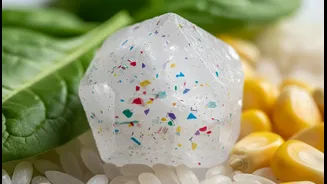
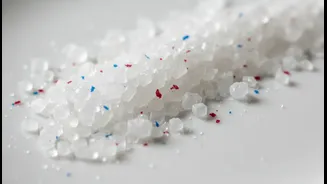
First, what's all the fuss about? Microplastics are tiny plastic particles, less than five millimetres long, that come from the breakdown of larger plastic items. They are everywhere: in our oceans, air, and soil. Unsurprisingly, they have found their
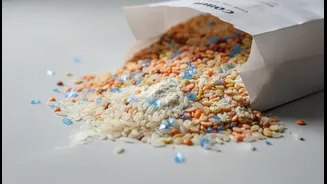
way into our food chain. Recent studies have raised alarms, showing these particles in everything from seafood to bottled water. A 2024 study by the environmental group Toxics Link found microplastics in all tested samples of Indian salt and sugar brands, packaged or not. This has understandably worried consumers, as the potential health impacts, while still being studied, include hormone disruption and inflammation.
A Pinch of Plastic?
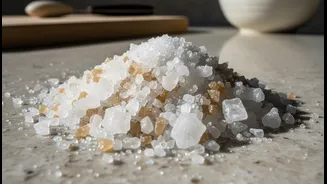
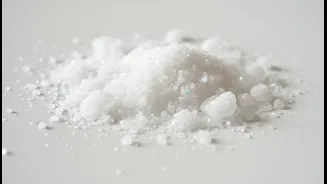
For salt, especially sea salt, contamination often happens at the source, as the salt absorbs the plastics polluting the ocean. With sugar, contamination is more likely to occur during processing, where plastic machinery, containers, and even airborne particles can introduce microplastics into the final product. The Toxics Link study found that in the Indian market, iodised salt had the highest concentration of microplastics, while organic rock salt had the lowest. Similarly, non-organic sugar contained more microplastics than its organic counterpart. While the presence of these particles is confirmed, the U.S. FDA and other bodies maintain that current detected levels in food do not appear to pose a risk to human health, though research is ongoing.
The 'Purified' Promise
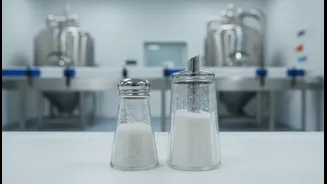
Enter the solution: 'purified' or 'microplastic-free' salt and sugar. Responding to consumer fears, some brands in the 'clean eating' space are launching products that claim to have undergone special filtration or purification processes to remove these contaminants. These brands position their products as a safer, cleaner alternative for the health-conscious shopper. While specific proprietary methods are not always disclosed, the implication is that through additional steps in processing, they can filter out the unwanted plastic particles that other brands leave in. Some brands may seek third-party certification to label their products as 'microplastic-free' to build consumer trust.
A Masterclass in Marketing
This trend is a classic example of 'health halo' marketing, where a product is promoted using health-related buzzwords to make it seem healthier than it may be. The strategy is simple and effective: identify a widespread consumer anxiety (microplastics), create a product that claims to solve it ('purified' salt), and market it to an audience already primed to seek out 'clean' and 'natural' options. In a market where Indian consumers are increasingly scrutinising labels and willing to pay more for perceived health benefits, 'microplastic-free' is a powerful selling point. This leverages what is known as fear-based marketing, where highlighting a potential threat can effectively drive sales for a product positioned as the solution.
Is It Worth the Extra Cost?
This is the crucial question for consumers. While no one wants to be eating plastic, the scientific community has not yet reached a consensus on the specific danger posed by the levels of microplastics found in salt and sugar. Experts point out that the contamination is part of a much larger environmental pollution problem. Therefore, these 'purified' products, while potentially containing fewer microplastics, do not address the root cause. Critics of the marketing trend argue that brands might be creating a problem in the consumer's mind only to sell them an expensive solution. Instead of focusing on premium salts, a broader approach of reducing overall plastic use and consumption of ultra-processed foods would likely have a greater health impact.