



What Exactly Is Shadow Boxing?
At its core, shadow boxing is the practice of performing boxing movements as if you are facing an imaginary opponent. It involves throwing punches, practicing defensive maneuvers, and using footwork, all without any physical contact or equipment. While
it is a foundational training tool for professional boxers to refine technique, it has gained immense popularity as a standalone fitness regimen. The focus isn’t on hitting anything, but on moving your body with intention, control, and rhythm, making it a unique blend of cardiovascular exercise and skill practice.
The Full-Body Fitness Benefits
Shadow boxing is a surprisingly demanding full-body workout. The constant movement provides a significant cardiovascular challenge, elevating your heart rate and improving endurance. A vigorous session can burn anywhere from 300 to 500 calories per hour, depending on intensity and body weight. Punching isn't just an arm exercise; proper technique engages your core, hips, and legs to generate power. This leads to toned muscles in the shoulders, back, and core, as well as improved balance, coordination, and agility.
Why It's Perfect for Small Spaces
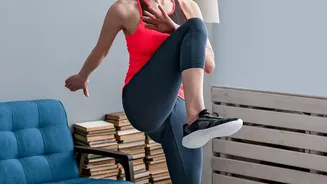
One of the biggest advantages of shadow boxing is its minimal space requirement. You don't need a sprawling home gym; a clear patch of floor measuring about two by two metres is more than enough. This makes it an ideal workout for apartment dwellers or anyone with limited room. The entire workout can be done in a bedroom corner, a living room, or even a hallway. Since there is no jumping or heavy impact, it's also a quiet exercise that won't disturb neighbours downstairs.
Getting Started: Your First Moves
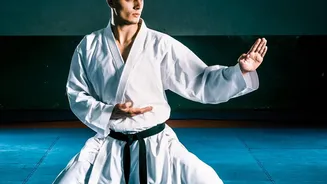
The foundation of shadow boxing begins with the proper stance. Stand with your feet shoulder-width apart, with your non-dominant foot slightly forward. Keep your knees bent, stay light on the balls of your feet, and hold your fists up to guard your face. The four basic punches are the jab (a quick, straight punch with your lead hand), the cross (a powerful punch with your rear hand), the hook (a semi-circular punch), and the uppercut (a punch that travels vertically). Practice these movements slowly at first, focusing on rotating your hips and torso to generate power, and always returning your hand to the guard position.
Structuring a Beginner's Workout
A great way to structure a shadow boxing workout is by using rounds, similar to a real boxing match. A simple routine for beginners can consist of a 5nd minute warmup of light movement followed by three to four rounds of shadow boxing. Each round can be three minutes long with a one minute rest in between. In the first round you could focus solely on jabs and crosses. In the second incorporate hooks. In the third add uppercuts and footwork like moving forward backward and pivoting. Finish with a 5 minute cool down and stretching. A full 20 minute session is an excellent starting point.
Beyond the Physical : The Mental Workout
Shadow boxing is as much a mental exercise as it is a physical one. It requires intense focus and concentration to visualize an opponent and react to their imagined movements. This act of visualization helps improve reaction time and strategic thinking. The rhythmic flowing nature of the exercise can be a form of moving meditation helping to relieve stress and anxiety. Channeling energy into controlled powerful movements provides a healthy outlet for frustration leaving you feeling calmer and more centred after a session.