





The Problem with Vague Reviews
A review that simply says “the room was cramped” is one of the most common yet least helpful comments a traveler can leave. Without knowing whether the guest paid for the cheapest entry-level room or a premium deluxe category, the feedback lacks the context
needed to be useful. Many travelers, especially those seeking the lowest price, book the 'Standard' or 'Economy' option and are then surprised by its modest dimensions. This is particularly true in dense, expensive cities like Mumbai, New York, or Tokyo, where space is a premium commodity. A hotel might offer rooms from a compact 15 square metres to a sprawling 50-square-metre suite. A complaint from someone in the former doesn't reflect the reality of the latter.
Decoding Hotel Room Categories
There is no universal, legally binding system for naming hotel rooms. Terms like 'Standard', 'Superior', 'Deluxe', and 'Executive' are marketing labels that vary from one hotel to another. However, there is a general hierarchy. 'Standard' is typically the basic, lead-in category. 'Superior' often implies a slight upgrade in size, view, or floor location. 'Deluxe' usually signals more premium furnishings, better amenities, and potentially more space or a superior view. Suites, like 'Junior' or 'Executive', offer significantly more space, often with a separate or defined living area. The key is to treat these names as relative indicators within that specific hotel, not as absolute standards across the industry.
Look for Numbers, Not Just Names
The single most reliable piece of information is the room’s size in square metres or square feet. Reputable hotels and booking sites provide this data in the detailed room description. Ignore the tempting adjectives and find the hard numbers. An 'Opulent Deluxe Chamber' that is only 18 square metres will feel much smaller than a 'Simple Twin Room' that measures 28 square metres. Always check the fine print. Some hotels have been known to include balcony or even non-private foyer space in the total size, so be wary if a number seems unusually large for the price. Visualizing the space can help; for example, an average car garage is about 18-20 square metres, which provides a useful real-world comparison for a budget hotel room.
Why Photos Can Be Deceptive
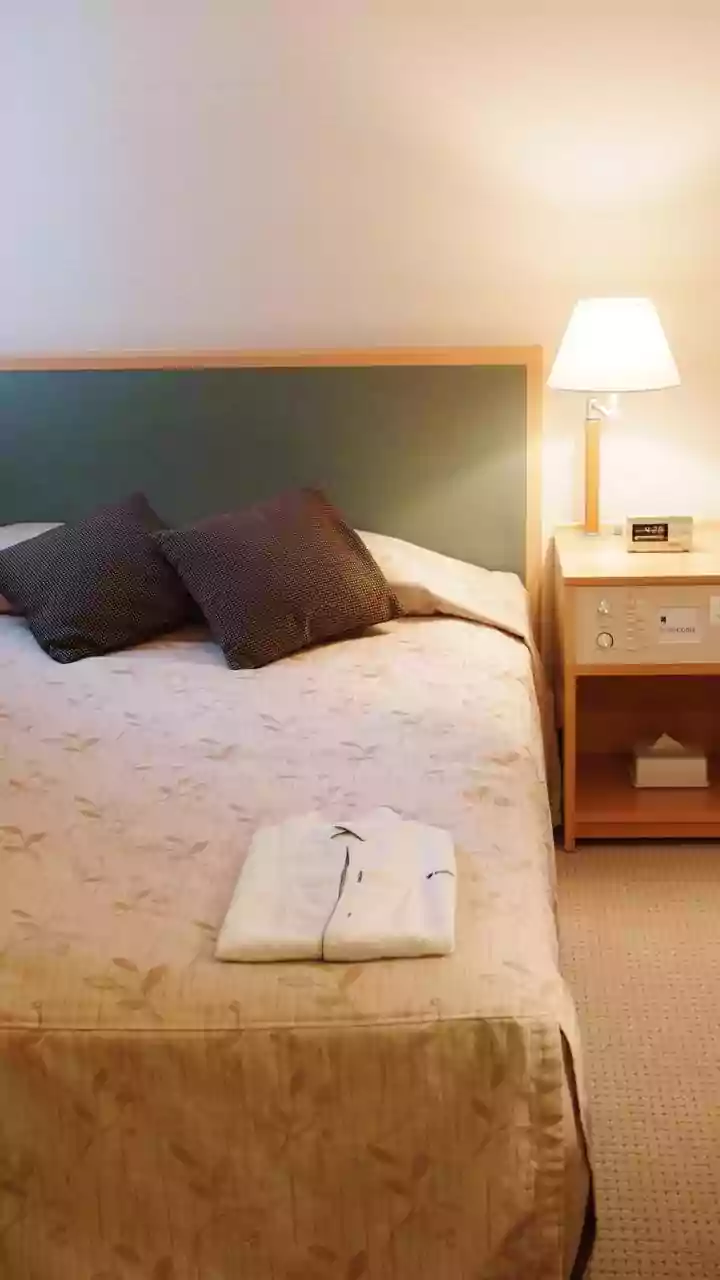
Hotel photography is a masterclass in making spaces look as appealing as possible. Professional photographers use wide-angle lenses to make rooms appear larger, brighter, and more expansive than they are in reality. Furthermore, the photos displayed prominently on a booking page almost always feature the hotel’s best and most spacious room categories, not the budget-friendly standard option. To get a more realistic view, seek out photos uploaded by previous guests. These unedited snapshots, often found in the review sections of booking sites and travel forums, provide an unfiltered look at the actual room, including its true size, condition, and the view from the window.
Your Smart Booking Checklist
To avoid disappointment, approach your next hotel booking like a savvy detective. First, when reading reviews, mentally filter out any size complaints that don't mention the specific room type. Second, always cross-reference the room categories on the hotel's official website, which often has more detailed descriptions and floor plans than third-party booking sites. Third, hunt for the square metre or square footage figure in the room details—this is your most trustworthy metric. Finally, manage your own expectations. If you are booking the absolute cheapest available rate, it is reasonable to assume you are being allocated the hotel's smallest and most basic room. If space is a priority for your comfort, it is almost always worth paying a little extra for the next category up.