



Patnitop is a winter favourite, but Jammu's stunning landscape offers so much more. This guide unveils hidden gems for a unique snow-filled escape and details everything you need to know for a safe and memorable winter road trip.
Bhaderwah: The 'Mini Kashmir'
Often called 'Mini Kashmir',
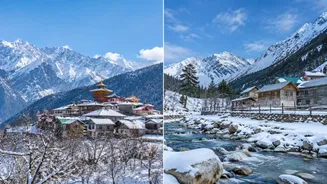
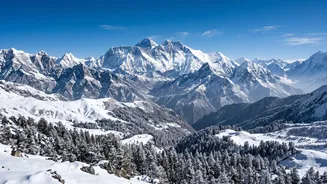
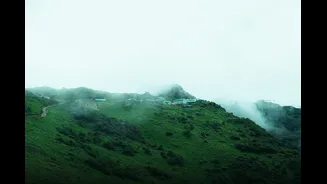
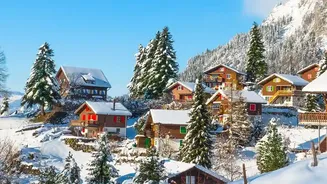
the town of Bhaderwah in Doda district is a spectacular alternative for a winter sojourn. Perched at about 5,300 feet, it is surrounded by dense Deodar forests and snow-capped peaks. In winter, its valleys like Jai, Padri, and Guldanda receive several feet of snow, transforming the area into a wonderland perfect for adventure tourism. Unlike more crowded spots, Bhaderwah offers a serene experience with opportunities for snowboarding and skiing. The region's unique culture, with Kashmiri-style architecture and the use of the traditional Kangri, makes visitors feel like they've discovered a secret corner of Kashmir. With a winter festival often hosted by the local administration and improving infrastructure, Bhaderwah is quickly becoming a prime destination for those looking to experience heavy snowfall without the crowds.
Sanasar: The Quiet Meadow
Just a short drive from Patnitop lies Sanasar, a peaceful, cup-shaped meadow that offers a completely different vibe. Named after two small local lakes, this destination is ideal for those seeking tranquility over bustling tourist activity. In winter, from late December through February, Sanasar is draped in a thick blanket of snow, creating an enchanting landscape. While major adventure sports are limited in the deep winter, it's perfect for snow play, leisurely walks in the quiet woods, and simply enjoying the pristine white scenery. The road from Patnitop can occasionally face temporary closures due to heavy snow, so checking conditions before you travel is essential. It's a destination for slowing down and soaking in the silent beauty of a Himalayan winter.
Preparing Your Vehicle
A winter road trip in the mountains demands a well-prepared car. Before you start, conduct a thorough vehicle check. Your battery is crucial, as cold weather can reduce its efficiency. Get it tested, and ensure the terminals are clean and tight. Tyres are your primary connection to icy roads. If you're heading into heavy snow, consider winter tyres for better traction. At a minimum, ensure your all-season tyres have deep treads and are inflated to the recommended pressure, checking them regularly as cold air causes pressure to drop. Also, check all essential fluids, especially antifreeze/coolant, to prevent the engine from freezing. Finally, make sure your wipers are in good condition and your defogger is working correctly for clear visibility in foggy or snowy conditions.
Smart Packing Essentials
Packing for a winter trip to the mountains is all about layering. The 'three layer rule' is a reliable guide. Start with a thermal base layer to trap heat. Your middle layer should be fleece or wool for insulation. The outer layer must be a warm, water resistant jacket, preferably with a hood. Don't forget accessories like woollen caps, gloves, and a scarf. For footwear, waterproof boots with good grip are non negotiable; regular sports shoes get wet and cold in the snow. Pack several pairs of wool or thermal socks, as cotton holds moisture and can make your feet cold. Sunscreen and sunglasses are also essential, as the sun reflecting off snow can be intense. Lastly, a power bank is a wise addition, as phone batteries drain faster in cold temperatures.
Safety on Wintry Roads
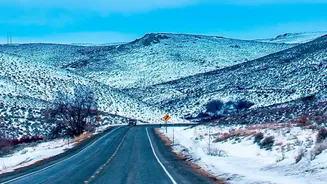
Driving in snow and ice requires adapting your style. The most important rule is to reduce your speed and increase the following distance between you and the vehicle ahead. Gentle acceleration and braking are key to avoiding skids. If you do start to skid, steer gently in the direction you want to go without overcorrecting. When climbing hills, maintain a steady speed, and on descents, use a lower gear for engine braking instead of relying solely on your brakes. Before you leave, always check the weather forecast and travel advisories for your route. Mountain weather can change rapidly. Keep your fuel tank at least half full, as petrol pumps can be scarce in remote areas. It's also vital to carry an emergency kit with blankets, a torch, a first aid kit, and some non perishable food and water.