





Start With a Thorough Cleanup
The first step to recovery is a good clean. The humid, wet conditions are a perfect breeding ground for fungus and pests. Start by clearing out all fallen leaves, twigs, and rotting debris from your pots and the balcony floor. This simple act improves
air circulation and removes potential hiding spots for slugs, snails, and harmful pathogens. Pay special attention to the corners of your pots and the drainage trays underneath, as these areas often collect moisture and decaying matter. A clean space is the foundation for a healthy garden.
Prune for a Healthy Rebound
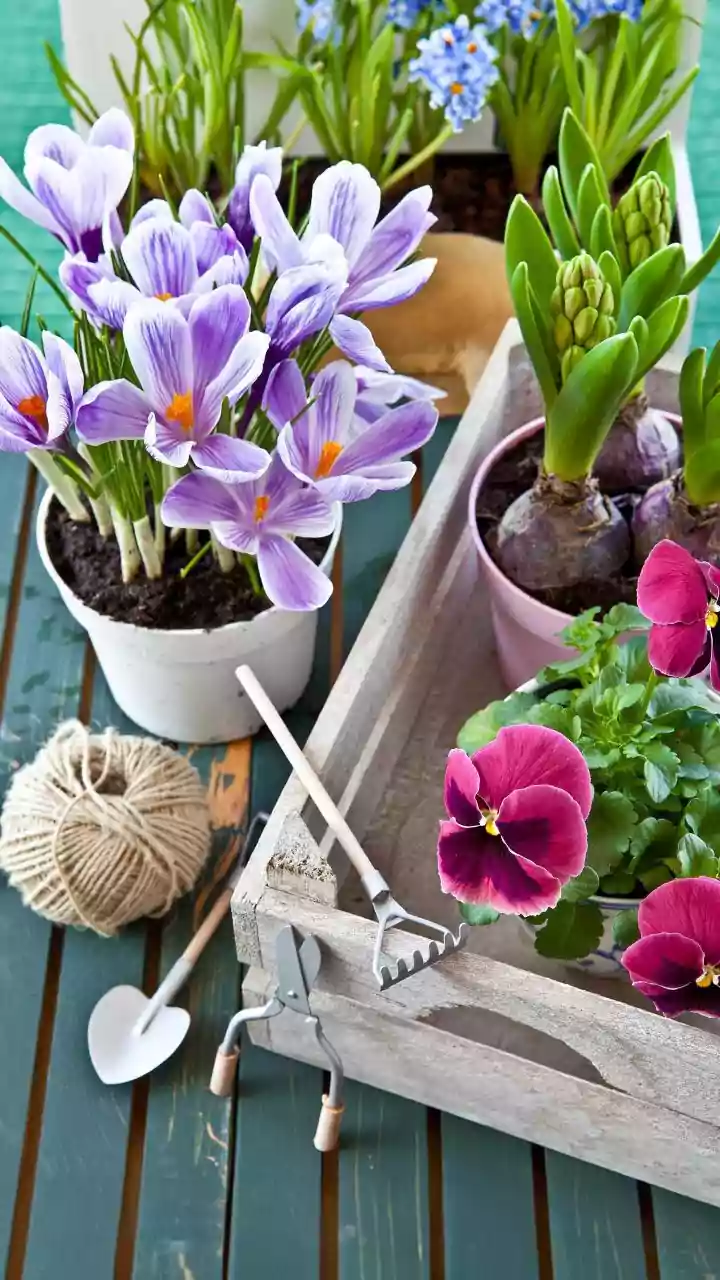
After a season of rapid, often weak growth, your plants need a good trim. Pruning is essential to remove any dead, damaged, or diseased branches and leaves. This not only makes your plants look tidier but also encourages healthy new growth by redirecting the plant's energy. Use a pair of clean, sharp pruning shears to cut away any yellowing leaves, mushy stems, or branches that look weak. For flowering plants, deadheading (removing spent blooms) will encourage a new flush of flowers. Don't be afraid to cut back overgrown sections to give your plants a better shape.
Check for Pests and Diseases
High humidity makes plants susceptible to a range of problems. Inspect your plants carefully for common monsoon-related issues like powdery mildew, which looks like a white coating on leaves, and leaf spot diseases, which appear as brown or black spots. Also, check for pests like mealybugs (white, cotton-like clusters), aphids, and whiteflies, which thrive in damp conditions. If you spot an infestation, isolate the affected plant to prevent it from spreading. You can often treat minor pest issues by spraying a simple solution of neem oil and water.
Revitalise the Soil
Heavy rains can do two things to your soil: compact it, reducing aeration for the roots, and leach out essential nutrients. Your plants are likely starved for food. Start by gently loosening the top inch or two of soil with a small fork, being careful not to damage the roots. This helps the soil to breathe. After aerating, it's time to replenish lost nutrients. Heavy rains wash away fertilisers, so a fresh application is crucial. Add a layer of rich compost or well-rotted manure to the topsoil. This acts as a slow-release fertiliser and improves soil structure.
Assess Drainage and Repot if Needed
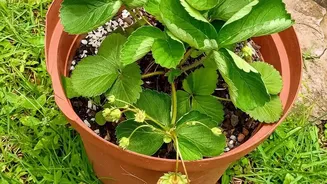
Good drainage is non-negotiable for potted plants, and the monsoon often highlights any existing problems. Check that the drainage holes in your pots are not blocked. If a plant looks like it's struggling despite your efforts, it may be suffering from root rot caused by waterlogged soil. Signs include wilting even when the soil is wet and yellowing leaves. In such cases, you may need to repot the plant into a fresh, well-draining potting mix. When repotting, choose a container one size larger and gently trim any black, mushy roots before placing it in its new home.
Introduce Winter-Ready Plants
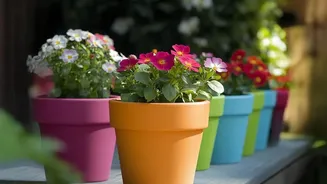
Post-monsoon is the perfect time to introduce new plants that will flourish in the upcoming cooler, drier weather. The pleasant climate is ideal for many winter flowering annuals. Consider adding vibrant blooms like Marigold (Genda), Petunia, Chrysanthemum (Guldaudi), Dianthus, and Calendula to your balcony. These plants thrive in the Indian winter and will provide a burst of colour. You can buy seedlings from a local nursery or try growing them from seeds for a more rewarding experience.