









The Algorithm Is Already Here
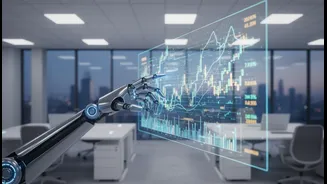
The age of AI in finance isn't a distant future; it's the present reality. Across India and the world, artificial intelligence is already deeply embedded in the financial sector. AI-powered systems now perform tasks like credit scoring, fraud detection,
and algorithmic trading with a speed and scale that humans cannot match. In India, major banks are using AI to screen loan applications, while chatbots handle a significant percentage of routine customer queries. This automation of repetitive, rule-based jobs is transforming workflows, reducing the need for manual data entry and basic calculations. For graduates entering the field, this means the nature of entry-level roles is fundamentally changing. The tasks that once formed the bedrock of a junior analyst's experience are increasingly being handled by machines.
Where the Machine Stops and the Human Starts
While AI excels at processing vast datasets and identifying patterns, its capabilities have clear limits. Technology is a tool, not a replacement for human judgment. AI models can make mistakes, produce biased outcomes, or 'hallucinate' incorrect information. This is where human oversight becomes critical. Recent reports from organisations like the CFA Institute emphasise that applying human judgement to the outputs of automated processes is a growing requirement for finance professionals. The most effective use of AI is as a collaborator that enhances human decision-making, rather than replacing it entirely. The machine can analyse the 'what,' but it often requires a human professional to understand and explain the 'why'—to provide the context, strategic thinking, and ethical filter that raw data lacks.
The New 'Power Skills' in High Demand
As automation handles routine analytics, employers are placing a higher premium on distinctly human capabilities. A recent global survey of graduates by the CFA Institute revealed that a vast majority believe developing interpersonal skills is a high priority in the age of AI. These are not just 'soft skills' but 'power skills' that drive results. Critical thinking is paramount; professionals must be able to question assumptions and assess the outputs of AI systems. Communication and storytelling are also key; the ability to translate complex, AI-generated insights into actionable business strategies for clients and leadership is a highly sought-after talent. Furthermore, skills like empathy, adaptability, and leadership—qualities no algorithm can replicate—are crucial for building client trust and managing teams.
How Education and Training are Adapting
Recognising this shift, educational institutions and professional bodies are revamping their curricula. The focus is no longer just on technical finance knowledge but on creating well-rounded professionals who can thrive in a human-AI collaborative environment. The CFA Institute, for example, is integrating modules on Python and AI, but also stresses the importance of ethics and human-centric skills. Business schools are encouraging students to build interpersonal and critical thinking capabilities, understanding that these will be the key differentiators in their careers. The goal is to produce graduates who are fluent in the language of both technology and humanity—able to leverage AI tools effectively while never losing sight of the strategic and ethical responsibilities that require human oversight.
The Future Is a Human-AI Partnership
The future of finance is not a battle between humans and machines. It is a partnership. The most successful finance professionals of tomorrow will not be those who resist technology, but those who learn to master it as a tool to amplify their own unique human abilities. This new landscape creates opportunities for hybrid roles that blend deep financial expertise with AI literacy. For new graduates and aspiring professionals in India's competitive market, the message is clear: while technical skills and data literacy are essential, they are the baseline, not the ceiling. The real, lasting value lies in honing the judgment, communication, and strategic thinking that machines cannot replicate. The career path forward is one of 'augmented intelligence,' where human insight guides the power of artificial intelligence.