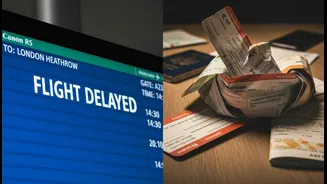









The Hidden Costs of a 'Cheap' Ticket
That incredibly low fare advertised by budget airlines often represents just the bare minimum: a seat on the plane. Once you proceed to book, costs can quickly accumulate. Charges for seat selection, meals, and even carry-on baggage are now common. More
critically, these basic fares are typically inflexible. If your plans change, you may face steep penalties or forfeit the ticket value entirely. The initial 'bargain' often doesn't include the flexibility that can be crucial when dealing with unexpected life events or travel disruptions.
Know Your Rights When Flights Are Disrupted
In India, the Directorate General of Civil Aviation (DGCA) has specific rules to protect passengers. If your flight is significantly delayed, airlines are required to provide meals and refreshments. For delays exceeding six hours, you are entitled to either an alternative flight or a full refund. In case of an overnight delay, carriers must also provide hotel accommodation. For cancellations, your rights depend on when you were notified. If the airline informs you less than 24 hours before departure, you may be eligible for compensation up to ₹10,000, in addition to a refund or rebooking. However, these rules often don't apply in cases of 'force majeure' events like extreme weather, which are outside the airline's control.
Direct Booking vs. Third-Party Agents
Where you book your ticket can significantly impact your recovery options. Booking directly with an airline generally provides a cleaner line of communication. If a flight is cancelled, you deal directly with the airline for rebooking or refunds. When you book through a third-party Online Travel Agency (OTA), you often have to go through their customer service first, which can add delays and complications. The airline might direct you back to the agent you booked with, leading to a frustrating back-and-forth when time is critical. While OTAs can be great for comparing prices, the potential for customer service hurdles during a disruption is a significant trade-off to consider.
The Safety Net of Travel Insurance
Airline compensation has its limits, and this is where travel insurance becomes invaluable. A good travel insurance policy can cover expenses that airlines won't, such as non-refundable hotel bookings or prepaid tours that you miss due to a delay or cancellation. It can also offer coverage for trip curtailment, baggage loss, or medical emergencies. Trip delay insurance, specifically, is designed to reimburse you for extra costs like meals and accommodation incurred during a long wait. It acts as a financial cushion, ensuring that a flight disruption doesn't derail your entire travel budget.
How to Choose a True 'Good Value' Flight
Evaluating a flight should go beyond the initial price. Before you book, consider the total cost, including any necessary extras like baggage. Read the fare rules carefully to understand the policies on changes and cancellations. Check the airline's track record for on-time performance if possible. Consider booking directly with the airline for simpler customer service. Finally, always weigh the cost of a comprehensive travel insurance policy against the potential financial loss from a disruption. A slightly more expensive, flexible ticket with a reputable airline combined with a solid insurance plan often represents a far better value than the cheapest, most restrictive option available.