







What the Harvard Study Found
Researchers from the Harvard T.H. Chan School of Public Health have put a number on the environmental cost of America's digital backbone. Their study, published in Nature Sustainability, provides one of the first detailed, facility-level estimates of the electricity
use and carbon emissions from U.S. hyperscale data centres, the massive facilities that power everything from cloud computing to the current artificial intelligence boom. Analysing 403 of these centres between May 2024 and April 2025, the team found their collective electricity consumption was between 68 and 99 terawatt-hours. To put that in perspective, the upper estimate is nearly the entire annual electricity usage of a state like Michigan or Tennessee. This activity produced an estimated 25.7 million metric tons of carbon dioxide, comparable to the yearly emissions of the entire nation of Denmark.
The AI Acceleration
The primary driver behind this explosive growth in energy demand is the widespread adoption of artificial intelligence. Training and running large AI models requires immense computational power, which in turn demands exponentially more electricity than traditional computing tasks. According to the International Energy Agency (IEA), global data centre electricity consumption could double between 2022 and 2026. Some projections show demand soaring from around 460 TWh in 2022 to over 1,000 TWh by 2026. The Harvard researchers warn that their own figures are likely already outdated. 'The data stops in April 2025, which in AI time is basically ancient history,' said lead author Gianluca Guidi. With thousands more data centres planned or under construction, the trend is only accelerating.
Not All Power Is Created Equal
A crucial finding from the Harvard study is that where a data centre is located matters immensely. The research revealed that over half of the electricity powering these facilities came from fossil fuels, primarily natural gas (38%) and coal (15%). The carbon intensity of the local energy grid determines the ultimate environmental impact. For example, a data centre in Wyoming, which relies more on carbon-intensive sources, produces about seven times more carbon dioxide for the same amount of electricity consumed as one in Oregon, which has a cleaner energy mix. The study noted a heavy concentration of data centres in just a few states, with Virginia, Oregon, Ohio, and Iowa accounting for more than half of the total electricity use measured.
The Industry's Race for Solutions
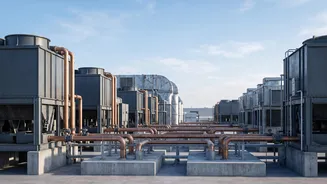
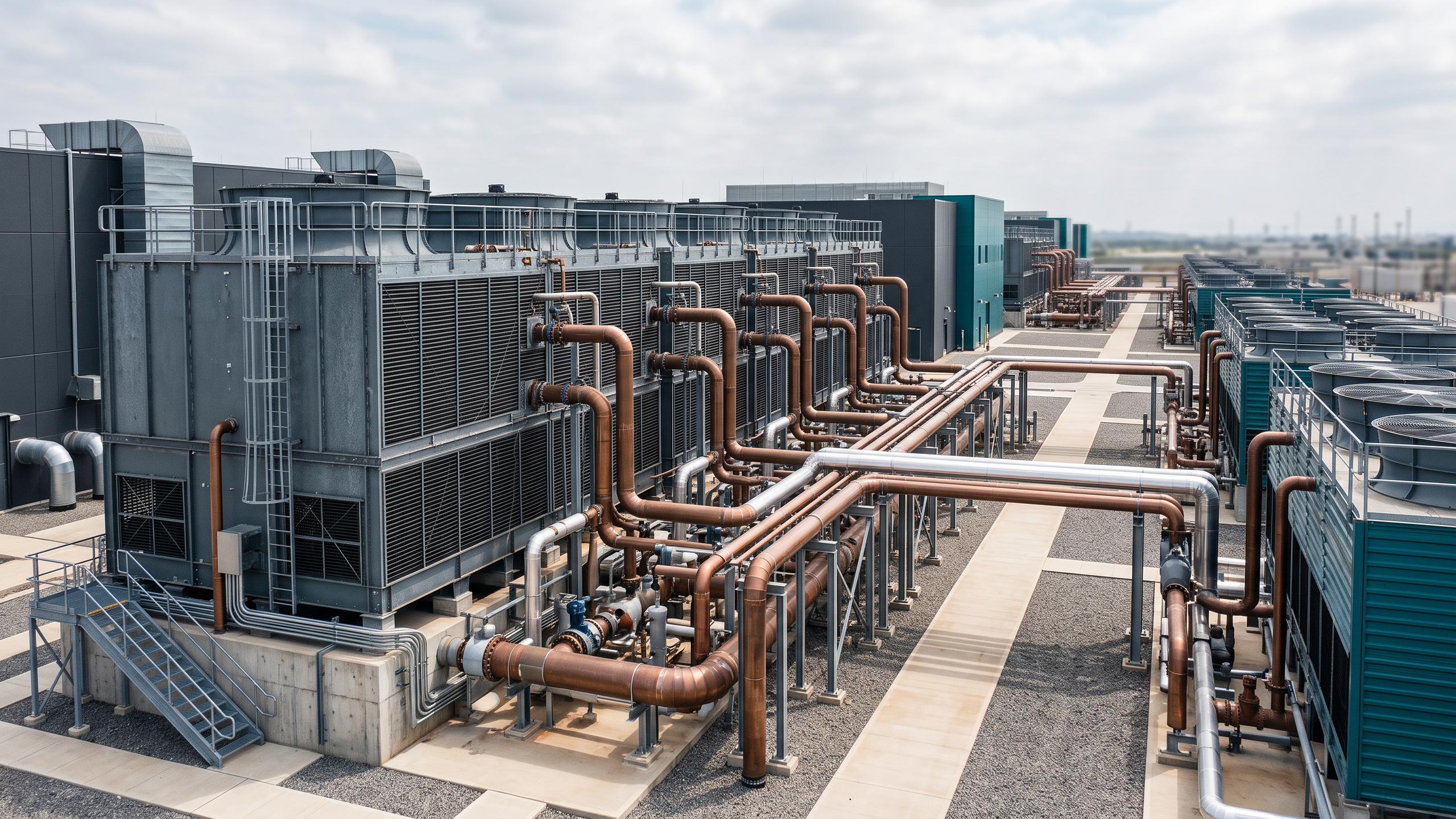
The tech industry is not blind to this challenge. Major players like Google, Microsoft, and Amazon are now the world's largest corporate buyers of renewable energy. The focus is on two key areas: powering facilities with clean energy and making them more efficient. Innovations in cooling technology are critical, as keeping servers from overheating is a major source of energy consumption. Companies are moving from traditional air cooling to more efficient liquid cooling systems, which can reduce energy use for cooling by 30-40%. There is also a push for 'waste heat recovery', where the heat generated by servers is captured and reused, for example, to warm nearby buildings. However, with demand for AI growing so rapidly, efficiency gains are struggling to keep pace with the overall increase in consumption.
Water and E-Waste: The Other Costs
The environmental impact isn't limited to carbon emissions. Data centres are also incredibly thirsty, using vast amounts of water for their cooling systems. This can put significant strain on local water resources, especially in arid regions where many data centres are being built. One 2023 study estimated that by 2027, global water demand for AI servers could be equivalent to half of the UK's entire annual water consumption. Furthermore, the constant demand for more powerful hardware contributes to a growing e-waste problem. As older servers and components are retired, they must be disposed of, adding to the millions of metric tons of electronic waste generated globally each year.