




Scent as a Sacred Statement
In Indian culture, fragrance has never been just a cosmetic choice; it's a spiritual and personal statement deeply woven into daily life and rituals. For centuries, scents from flowers, woods, and resins have been used in temples and homes to purify the
atmosphere and create a sense of harmony. The Sanskrit word 'Gandha' captures this essence, referring not just to a pleasant smell but to the purity and spirit of nature itself. This philosophy views fragrance as a bridge between the physical and the spiritual, making it an essential part of celebrations like Diwali and Eid, where it enhances the festive mood and becomes part of one's identity in social gatherings.
The Timeless Allure of Traditional Attars
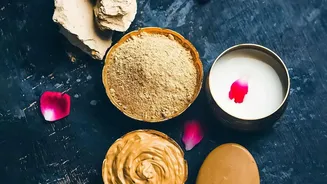
At the heart of India's fragrance heritage is the attar, a natural perfume oil derived from botanical sources through ancient distillation methods. These alcohol-free oils, often based in sandalwood, are designed to interact with your body heat, releasing their scent slowly and creating an intimate aura that lasts for hours. Classic attars like Gulab (rose), Mogra (jasmine), Chandan (sandalwood), and Khus (vetiver) are festive staples. Rose is considered cooling and ideal for daytime wear, while the heady, intoxicating scent of jasmine is perfect for evenings. These traditional scents are not just perfumes; they are bottled memories of Indian gardens and celebrations.
Pairing Fragrance with Festive Fabrics
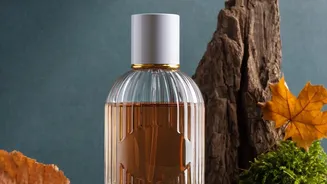
Just as you choose jewellery to complement your outfit's neckline, your fragrance should complement its fabric and style. For grand, opulent attire like a silk Banarasi or velvet sherwani, rich, warm, and woody scents work beautifully. Notes of oudh (agarwood), amber, and sandalwood echo the richness of the fabric and the formality of the occasion. For lighter fabrics like cotton, linen, or chiffon, fresh and airy floral fragrances are a perfect match. Think of jasmine, citrus, or green tea notes that feel harmonious with the easy elegance of a breezy kurta set. The goal is to create a seamless sensory experience where the scent feels like a natural extension of the attire.
Modern Trends: Gourmands and Ouds Reimagined
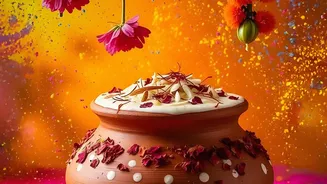
While traditional attars remain beloved, contemporary perfume trends are making a significant mark on the festive season. One major trend is the rise of sophisticated gourmand fragrances—scents inspired by edible notes. Instead of simple sweetness, modern gourmands balance notes like vanilla, coffee, dates, and cinnamon with woods and spices, creating warm, inviting aromas perfect for evening celebrations. Similarly, oudh, a classic note, is being presented in smoother, more modern compositions that whisper luxury rather than shout. These contemporary interpretations often blend traditional Indian notes like saffron and rose with modern sensibilities, offering a bridge between heritage and new-age perfumery.
The Art of Application for Lasting Scent
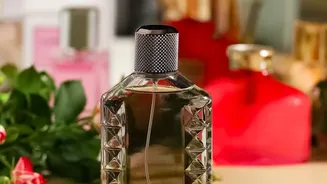
How you apply your perfume is as important as which one you choose, especially in India's varied climate. Heat and humidity can amplify fragrances, so a strategic application is key. Start by applying fragrance to pulse points—wrists, neck, and behind the ears—where the skin's warmth helps diffuse the scent. For a more unique and lasting effect, consider fragrance layering. This can involve using a scented body lotion as a base or combining two complementary perfumes. A popular technique involves mixing a traditional attar with a modern spray perfume. You can also lightly spritz your hair or even the hem of your lehenga or the pallu of your saree, which creates a beautiful scent trail as you move through a festive crowd.