



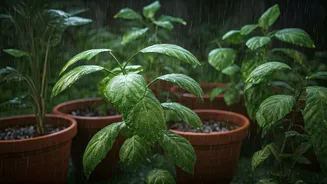


The Humidity Paradox Explained
Succulents are desert natives, built to handle dry air, not the moisture-laden atmosphere common in many parts of India, especially during monsoon season. When humidity is high, the air is saturated with water vapor. This creates two major problems. First,
the plant can't effectively release its own internal moisture through its leaves, a process called transpiration. Second, the damp, stagnant air around the plant creates a perfect breeding ground for fungal and bacterial pathogens that cause rot. So, even if you haven't watered the soil in weeks, the constant exposure to moist air is like giving the plant a slow, continuous bath it never asked for, leading to mushy leaves and decaying stems.
Early Warning Signs of Rot
Catching humidity-induced rot early is key to saving your plant. Don't just check the soil; inspect the plant itself. The first signs are often in the leaves, which may become soft, translucent, or yellow, and fall off at the slightest touch. The stem is another critical indicator. A healthy succulent stem is firm. If the base of the stem feels soft, mushy, or looks discoloured (often black or brown), rot has likely set in. In some cases, you might even notice a faint, unpleasant smell from the soil or the plant itself, which signals decomposition. Unusual aerial roots can also be a sign of distress, indicating the plant is trying to get air and moisture because its main root system is failing.
Airflow is Your Best Defence
Since stagnant, humid air is the enemy, your primary weapon is ventilation. Improving air circulation around your succulents is non-negotiable in a humid climate. Place your plants near an open window where they can get a gentle breeze. If natural airflow is limited, use a small oscillating fan on a low setting for a few hours a day to keep the air moving. This helps moisture evaporate from the plant's surface and the top layer of soil, discouraging fungal growth. Avoid clustering your plants too tightly together, as this traps humidity between them. Good spacing ensures each plant has access to the fresh, moving air it needs to breathe and stay dry.
Rethink Your Potting and Soil
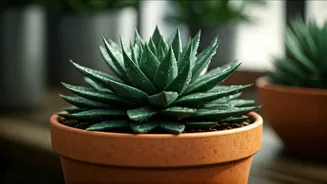
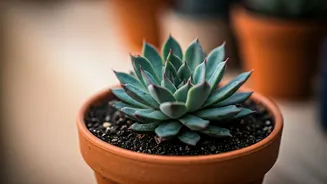
The right container and soil mix can make a world of difference. Always use pots with drainage holes—this is a strict rule for succulents. Terracotta pots are an excellent choice because their porous nature helps wick moisture away from the soil, allowing it to dry out faster. For the soil itself, a standard potting mix is often too dense and retains too much moisture for humid climates. You need a grittier, fast-draining mix. Create your own by mixing regular succulent soil with a generous amount of inorganic materials like pumice, perlite, or coarse sand. A good starting ratio for humid areas is one part organic soil to two parts grit. This ensures water and moisture from the air don't linger around the roots.
Strategic Watering in Humid Seasons
During India's monsoon season (June to September) or any period of high humidity, you must drastically adjust your watering schedule. Your normal routine won't work; the ambient humidity is already providing moisture to the plant and preventing the soil from drying out. The rule is simple: when in doubt, don't water. Check the soil by inserting your finger two inches deep. If you feel any coolness or dampness, wait. For many in coastal or high-humidity cities, this might mean not watering at all for several weeks during the peak of the monsoon. When you do water, consider bottom-watering by placing the pot in a tray of water for 15-20 minutes. This technique hydrates the roots without getting the leaves and stem wet, which is where rot often begins in humid conditions.