





The Inevitable Monsoon Craving
There's a universal shift that happens across India with the first monsoon showers. The oppressive heat breaks, the dust settles, and a cool breeze carries the earthy scent of rain-soaked soil. This change in atmosphere triggers a change in our appetites.
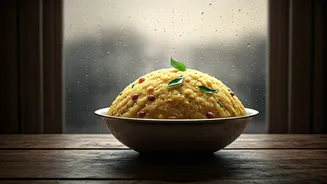
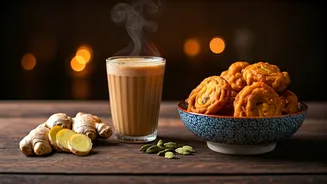
Suddenly, the desire for cold salads and juices vanishes, replaced by a deep-seated need for something hot, savoury, and comforting. It’s a nostalgic craving, rooted in childhood memories of watching the rain from a window while the kitchen filled with the sounds and smells of something wonderful being prepared. While pakoras and chai often steal the spotlight, there is another, more wholesome hero of the rainy day: the ever-reliable vegetable upma.
Why Upma is the Perfect Answer
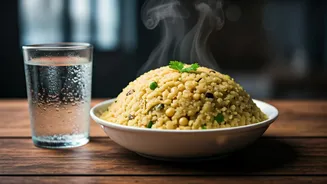
Upma’s genius lies in its simplicity and speed. It’s a dish born from the pragmatism of the Indian kitchen, ready in under 20 minutes with basic pantry staples. When the rain starts unexpectedly and you need a quick fix, upma delivers. Made from rava (semolina or sooji), it’s light on the stomach yet deeply satisfying. Unlike deep-fried snacks, it offers warmth and substance without feeling heavy. It’s a one-pot meal, meaning minimal cleanup—a blessing on a lazy, grey afternoon. Furthermore, the addition of vegetables transforms it from a simple grain dish into a balanced and nutritious meal, providing energy and comfort in every spoonful. It’s the culinary equivalent of a warm hug on a gloomy day.
Anatomy of a Perfect Upma
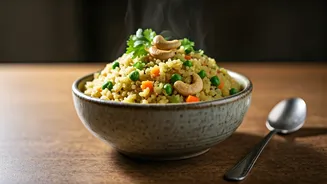
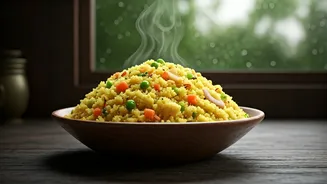
Great upma isn't about expensive ingredients; it’s about technique. The foundation is the rava itself. Always dry-roast your rava on low heat until it’s fragrant and changes colour ever so slightly. This simple step prevents lumps and gives the final dish a fluffy, non-sticky texture. Next comes the 'tadka' or tempering, the soul of the dish. Sputtering mustard seeds, chana and urad dal for crunch, fragrant curry leaves, and a hint of asafoetida (hing) create an unbeatable flavour base. For vegetables, finely chopped onions, carrots, peas, and green beans are classic choices. They add sweetness, texture, and colour. The final, crucial element is the water-to-rava ratio. The general rule for a soft, fluffy texture is 1 part rava to 2.5 or 3 parts hot water. Using hot water is key; it helps cook the semolina evenly and quickly.
Mastering the Method
Let’s walk through the process. Heat a little oil or ghee in a kadhai. Add the mustard seeds and wait for them to pop, then add the dals and sauté until golden. Now, add your curry leaves, green chillies, and ginger. Sauté for a moment before adding the finely chopped onions. Cook until they turn soft and translucent. This is the point to add your other vegetables, cooking them for a few minutes until they are slightly tender. Now, pour in the hot water, add salt to taste, and bring the mixture to a rolling boil. This is the moment of truth: while stirring the boiling water continuously with one hand, slowly pour the roasted rava with the other. This prevents lumps from forming. Once all the rava is in, reduce the heat to low, cover the kadhai, and let it cook for 3-5 minutes, allowing the semolina to absorb the water and fluff up.
Make It Your Own
The beauty of upma is its versatility. Once you’ve mastered the basic recipe, you can adapt it to your taste. For a richer flavour, add a tablespoon of ghee at the end. A generous squeeze of lime juice just before serving cuts through the richness and brightens all the flavours. For extra crunch and protein, garnish with roasted peanuts or cashews. A handful of fresh, chopped coriander leaves adds a burst of freshness. Some prefer their upma with a side of coconut chutney, while others enjoy it with a sprinkle of sugar for a sweet and savoury experience. Don't be afraid to experiment. After all, comfort food is personal, and your perfect bowl of monsoon upma is the one that makes you happiest.