




A Shift Towards Meaningful Journeys
A fundamental shift is underway in how Indians approach travel. The focus is moving away from simple sightseeing towards what is known as experiential travel—journeys that offer deep cultural immersion and authentic connection. Recent reports highlight
this growing appetite for culture-led travel, with a significant percentage of travellers now planning trips specifically to attend a festival. According to a 2026 Skyscanner report, an overwhelming 84% of Indian travellers are choosing to explore culture within India, and 67% plan their trips around heritage, festivals, and food. This isn't just about taking a break; it's about participating in the living, breathing fabric of a place. The desire is no longer just to see a monument, but to understand the stories and traditions that surround it.
The Ultimate Cultural Immersion
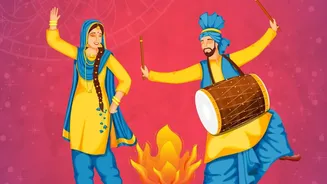
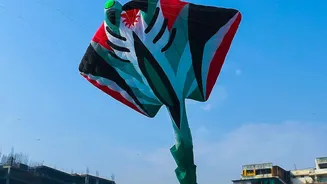
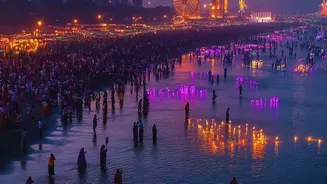
Why are festivals becoming such a powerful magnet for tourists? Because they offer a concentrated dose of culture that is impossible to replicate. For many, it's a way to reconnect with their own heritage or explore the diverse traditions of other regions. Festivals like Durga Puja in Kolkata, Ganesh Chaturthi in Maharashtra, and Onam in Kerala are emerging as major travel drivers. These events are no longer just local celebrations; they are seen as unmissable, once-a-year experiences worth planning an entire holiday around. Social media also plays a huge role, with platforms like Instagram and YouTube fueling interest and a fear of missing out (FOMO) by showcasing the dazzling visuals and energy of these events.
A Feast for the Senses
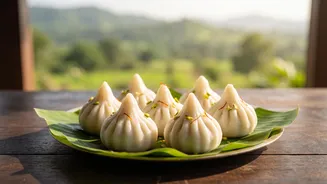
At the heart of this trend is a passion for food. Festivals provide a unique opportunity to sample regional and seasonal delicacies that are central to the celebrations. From the elaborate Onam Sadhya in Kerala to the unique sweets of West Bengal's Poush Mela, culinary experiences are a prime motivator. Travel data shows a rising interest in culinary tours and food trails, with travellers redirecting their budgets from lavish hotels to authentic local experiences. Festivals like the Sattvik Food Festival in Ahmedabad, which promotes traditional vegetarian foods, or the Hornbill Festival in Nagaland, with its distinctive tribal cuisine, allow travellers to taste the true identity of a region. It’s a journey where the plate becomes as important as the place.
Boosting Local Economies Beyond the Metros
This trend of festival-centric travel is also creating a positive economic ripple effect, particularly in smaller towns and non-traditional tourist destinations. While major cities like Kolkata for Durga Puja or Mumbai for Ganesh Chaturthi see a surge in visitors, unique regional festivals are putting lesser-known areas on the map. Events such as the Rann Utsav in Gujarat, the Hornbill Festival in Nagaland, and the Hemis Tshechu in Ladakh draw tourists to remote areas, generating income for local artisans, performers, and hospitality businesses. This shift is significant, with reports indicating that one in four Indian travellers are now heading to Tier 2 and Tier 3 towns for cultural experiences, spreading the benefits of tourism far beyond the usual circuits.
How to Plan Your Festive Getaway
Joining this travel trend requires some forethought. Since these festivals are major draws, planning in advance is key. Travellers are now booking their trips an average of 21 days beforehand, a sign of growing preparedness. It’s wise to book accommodation and transport well ahead, as prices can surge during peak festival dates. Beyond logistics, it's important to approach these cultural events with respect. Read up on local customs, dress appropriately, and be mindful that you are a guest participating in a cherished tradition. Engaging with local guides can provide deeper insights and ensure your presence is a positive one. This thoughtful approach transforms a simple holiday into a memorable and meaningful cultural exchange.