







2001: A Space Odyssey (1968)
Stanley Kubrick’s masterpiece set the standard for cinematic space travel, and its visual effects remain astounding today. Made entirely without modern CGI, the film relied on pioneering practical effects, including meticulously detailed models, massive
rotating sets to simulate artificial gravity, and the revolutionary slit-scan photography for the iconic "Star Gate" sequence. Kubrick's dedication to realism, avoiding techniques that would degrade picture quality, resulted in crisp, awe-inspiring images of spacecraft gliding silently through the void. The film’s deliberate pacing and sparse dialogue allow the visuals—from the elegant dance of spaceships to the haunting presence of the monolith—to convey the story's profound themes about technology and human evolution. It’s less a movie and more a transcendent visual experience.
Gravity (2013)
Alfonso Cuarón’s thriller is perhaps the most visceral depiction of being stranded in space ever put to film. Praised for its groundbreaking cinematography, 'Gravity' places the audience directly inside Dr. Ryan Stone's helmet as a routine spacewalk turns into a desperate fight for survival. The film’s long, unbroken takes and seamless blend of live-action and CGI create a terrifyingly immediate sense of claustrophobia and agoraphobia. The experience, particularly in 3D, is breathtaking, capturing both the silent, deadly beauty of Earth from orbit and the violent chaos of debris fields. It’s a masterclass in using visual effects not just for spectacle, but to generate gut-wrenching tension and emotional immersion.
Interstellar (2014)
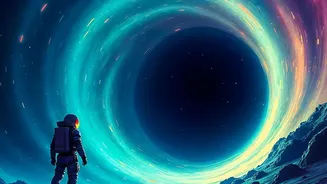
Christopher Nolan’s epic is a film of immense scale, both emotionally and visually. Known for its commitment to scientific accuracy, the film brought the most realistic depiction of a black hole to the screen at the time, a feat that won it an Academy Award for Best Visual Effects. Working with theoretical physicist Kip Thorne, the visual effects team at Double Negative created the mesmerizing, gravitationally-lensed Gargantua. Cinematographer Hoyte van Hoytema blended miniature models with digital effects to create tangible, awe-inspiring visuals, from the tidal wave on Miller's planet to the stark beauty of the Endurance spacecraft. The film’s grandeur makes it a powerful argument for the biggest screen possible.
The Martian (2015)
While 'Interstellar' explored the fantastic, Ridley Scott’s 'The Martian' brought a stunning sense of realism to space survival. The film's visual strength lies in making the hostile environment of Mars feel utterly believable. Visual effects companies MPC and Framestore meticulously created the planet's landscapes and the zero-gravity interiors of the Hermes spacecraft. The film successfully captures the culture of science and problem-solving, grounding its spectacle in practicality. Even elements like the reflective visors on the helmets were digitally created to perfectly control what the audience sees, adding to the polished realism. The result is a film that feels less like science fiction and more like a plausible near-future documentary of human ingenuity.
Ad Astra (2019)
'Ad Astra' is a more contemplative and artful journey into the void, a story about inner space as much as outer space. Director James Gray and cinematographer Hoyte van Hoytema (who also shot 'Interstellar') chose to shoot primarily on 35mm film, giving the cosmos a unique texture and grain. The film's visuals are painterly and poetic, emphasizing the profound loneliness of its protagonist against the vast, silent backdrop of the solar system. From a thrilling rover chase on the Moon to the haunting glow of Neptune, every frame is meticulously composed. The visuals serve the film's introspective tone, creating a beautiful yet melancholic odyssey that is as much an art piece as it is a sci-fi thriller.
Dune (2021)
Denis Villeneuve’s adaptation of the classic sci-fi novel is a masterwork of scale and world-building. While much of the story takes place on the desert planet Arrakis, the film’s depiction of space travel and gargantuan starships is breathtaking. Villeneuve has an unparalleled ability to convey immense size, making the arrival of a Guild Heighliner feel truly monumental. The visual effects, which won both a BAFTA and an Oscar, seamlessly blend practical and digital elements to create a tangible, lived-in universe. From the intricate design of the ornithopters to the sheer spectacle of the sandworms, 'Dune' is a film whose every frame is filled with rich, immersive detail, creating a cinematic experience that is both epic and believable.