







Why Your Train Schedule Might Change
Indian Railways operates one of the world's largest and busiest rail networks, and maintaining it is a colossal, year-round task. Changes to train schedules are not arbitrary; they are essential for safety, efficiency, and network expansion. Common reasons
include urgent track maintenance, infrastructure upgrades like track doubling or electrification, and managing congestion on high-density routes. For instance, recent operational blocks in the Southern and Western Railway zones were implemented for scheduled maintenance to improve long-term safety. Similarly, doubling work on sections like Aliyabad-Hapa-Jamnagar can lead to temporary partial cancellations, rescheduling, and changes in train origination points to facilitate construction. These adjustments, while inconvenient, are crucial for modernising the railway system and ensuring passenger safety.
Seasonal Adjustments and Weather Impact
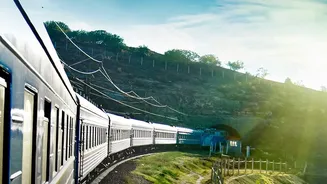
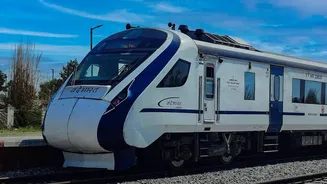
Weather plays a significant role in railway operations, especially during the monsoon season. From roughly mid-June to mid-October, Indian Railways implements a special monsoon timetable for routes that are prone to heavy rainfall and landslides, most notably the Konkan Railway line. This schedule is a precautionary measure to ensure safe transit through challenging terrain. To mitigate risks, train speeds are reduced, which naturally increases travel time. For example, services like the Vande Bharat and Duronto Express on the Konkan route see revised timings and sometimes reduced frequency during these months. Heavy rainfall can also cause more immediate disruptions, such as the cancellations and diversions seen in Gujarat and on the Mumbai-Pune line in late July due to flooding and track damage.
How to Check if Your Train is Affected
The most crucial step for any traveller is to verify their train's status before heading to the station. Indian Railways provides several official digital tools for real-time updates. The primary resource is the National Train Enquiry System (NTES), which can be accessed via its website or mobile app. By entering your train number, you can get live running status, expected arrival and departure times, platform numbers, and information on any cancellations or diversions. The IRCTC website and app also provide these details. For quick information, the railway enquiry helpline number, 139, is another reliable option. These platforms source their data directly from the railways' operational controls, making them the most accurate sources for any last-minute changes.
Recent Disruptions and What They Mean
In late July 2026, several zones reported changes due to both planned work and weather. Western Railway cancelled or rescheduled multiple trains connecting Mumbai, Surat, and other parts of Gujarat due to heavy rains. Services like the Bandra Terminus–Bhuj Express were partially cancelled, originating from Surat instead of Bandra. In the Southern Railway zone, maintenance work led to the cancellation of some suburban EMU services in Chennai. Meanwhile, restoration work on the Karjat-Lonavala ghat section continued to affect Mumbai-Pune train services, with extensions of cancellations and diversions. These examples highlight the dynamic nature of railway operations and reinforce the need for passengers to check for zonal advisories and specific train updates before every journey.
Understanding Refunds and Next Steps
If your train is cancelled, the refund process depends on how you booked your ticket. For e-tickets booked via the IRCTC website or app, the refund is processed automatically and credited back to the source account; you do not need to file any request. However, for tickets purchased at a physical counter, you must file a Ticket Deposit Receipt (TDR) to claim your refund. This should typically be done within three days of the train's scheduled departure. If your train is diverted and you choose not to travel, you are also entitled to a refund. In all cases of disruption, it is best to consult the official NTES or IRCTC platforms first to confirm the train's status before making alternative travel plans.