

The Building Blocks of Protein
To understand why the combination of lentils and rice is so powerful, we first need to talk about protein. Proteins are essential for nearly every function in our body, from building muscle and repairing tissue to supporting our immune system. These proteins
are made up of smaller units called amino acids. There are 20 different amino acids, nine of which are considered 'essential'. Our bodies cannot produce these nine essential amino acids on their own, so we must get them from the food we eat. Foods that contain all nine of these essential amino acids in the right proportions are known as 'complete proteins'. While animal products like meat, eggs, and dairy are naturally complete proteins, most plant-based foods are not.
The 'Incomplete' Protein Puzzle
Most plant-based foods are considered 'incomplete' proteins because they are low in one or more of the nine essential amino acids. For example, many grains are low in an amino acid called lysine. On the other hand, legumes like lentils and beans are often low in the sulfur-containing amino acids, methionine and cysteine. This doesn't mean that plant-based proteins are inferior; it simply means that a varied diet is crucial for those who follow a vegetarian or vegan lifestyle. By combining different plant foods, you can easily create a meal that provides all the essential amino acids your body needs, a practice known as protein complementarity.
Dal and Rice: The Perfect Match
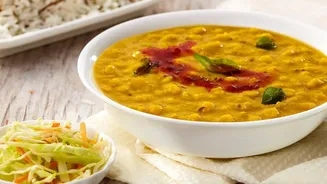
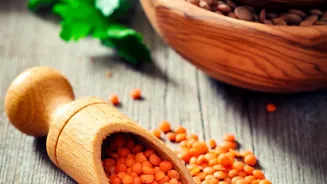
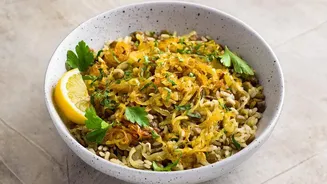
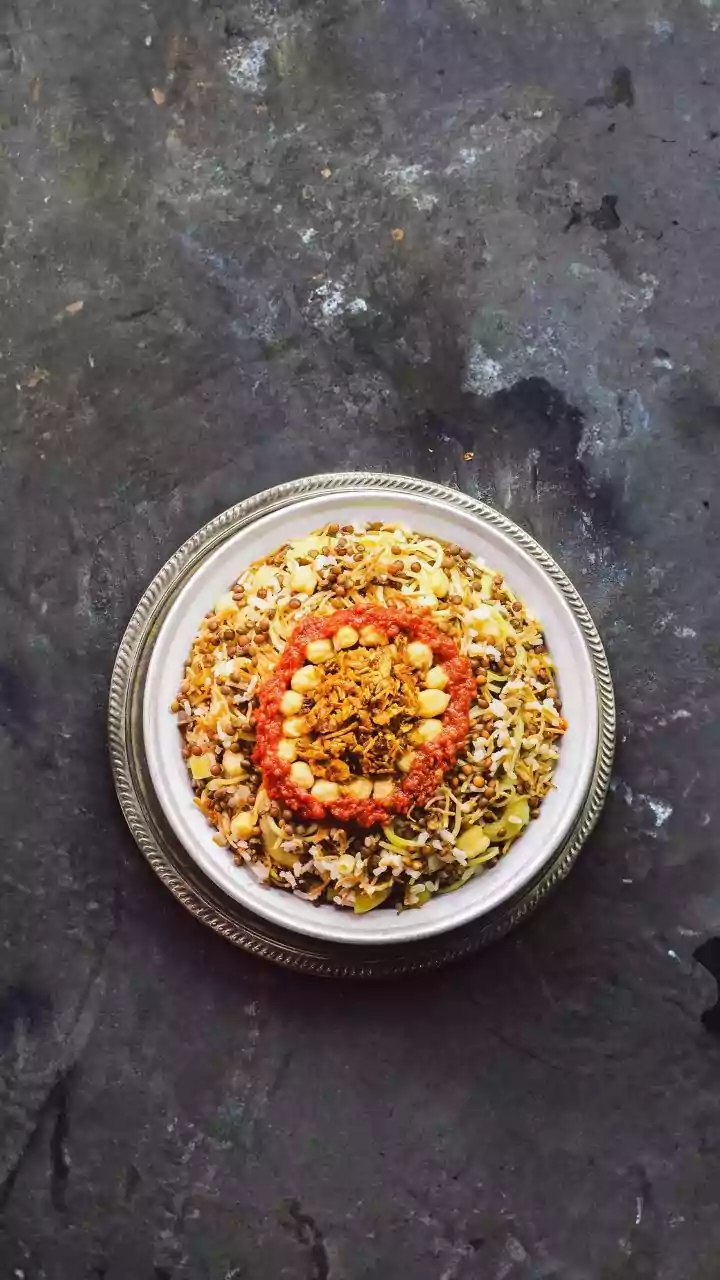
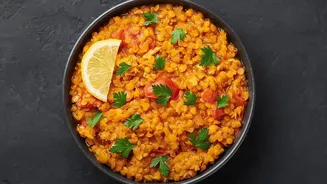
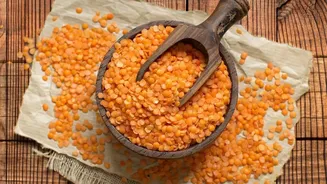
This brings us to the classic Indian combination of dal (lentils) and chawal (rice). This pairing is a perfect example of protein complementation. Lentils are rich in the amino acid lysine, which rice lacks. Conversely, rice is a good source of methionine, the amino acid that is limited in lentils. When you eat them together, their amino acid profiles balance each other out, creating a complete protein that is comparable to what you would find in animal products. This traditional wisdom, embedded in Indian cuisine for centuries, ensures that even a simple vegetarian meal can provide high-quality protein for muscle repair, energy, and overall health.
Beyond Dal Chawal: Other Power Pairings
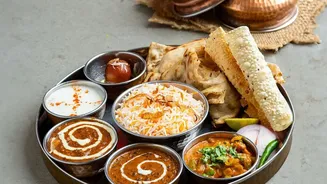
The principle of combining legumes and grains isn't limited to just lentils and rice. Many traditional meals across India and the world naturally follow this formula. Think of rajma chawal (kidney beans with rice), chana masala with roti (chickpeas with whole wheat flatbread), or South Indian dosa and sambar (a fermented rice and lentil crepe with lentil-based stew). Even a simple peanut butter sandwich on whole wheat bread uses the same logic, combining a legume (peanuts) with a grain (wheat) to form a complete protein. The key is to eat a variety of plant-based protein sources—including legumes, grains, nuts, and seeds—throughout your day.
Do You Need to Eat Them Together?
For a long time, it was believed that you had to eat complementary proteins in the very same meal for your body to use them effectively. However, current nutritional science suggests that this isn't strictly necessary. The body maintains a pool of free amino acids, so as long as you consume a variety of protein sources throughout the day, your body can pull what it needs to form complete proteins. So, if you have dal for lunch and roti for dinner, you're still getting the benefits. That said, combining them in one meal, like in khichdi, is a simple and delicious way to ensure you're getting a balanced intake of all essential amino acids.