








1. The Rise of the Digital Trainer
The single biggest driver of the no-gym revolution is the device in your pocket. Fitness apps and streaming platforms exploded during lockdown and have since become sophisticated, personalized training partners. Companies like Peloton, Apple Fitness+,
and a sea of independent creators offer vast libraries of on-demand classes, from high-intensity interval training (HIIT) to restorative yoga. The appeal is obvious: world-class instruction is available 24/7, for a fraction of the cost of a personal trainer or boutique studio membership. This digital ecosystem allows for unprecedented personalization, with algorithms suggesting workouts based on your goals, past performance, and even your mood, making it easier than ever to stay consistent.
2. The Home Gym Gets a Smart Upgrade
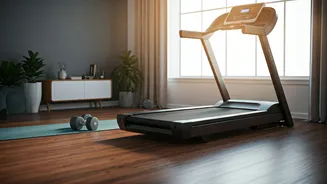
The home workout space has evolved far beyond a simple yoga mat and a few dusty dumbbells. As people committed to long-term, at-home fitness, they began investing in creating dedicated, effective spaces. Sales of smart equipment—like connected bikes, treadmills, rowers (Tonal, Mirror, Hydrow)—surged and have remained strong. These devices offer interactive sessions, real-time feedback, and a sense of community through leaderboards and virtual classes. But the trend isn't just for those with big budgets. The market for compact, multi-functional equipment like adjustable kettlebells, resistance band systems, and suspension trainers has also boomed, proving you don't need a spare room to build a powerful home gym.
3. Rediscovering the Great Outdoors
When indoor spaces felt risky, Americans rediscovered their backyards, local parks, and national trails. This return to nature has had incredible staying power. Running, hiking, and cycling saw a massive boom that continues to define weekend and weekday routines for many. The mental health benefits of exercising in nature—reduced stress, improved mood—have become a primary motivator. People are embracing "green exercise" not just for physical fitness but for a holistic sense of well-being. This trend is low-cost and highly accessible, requiring little more than a good pair of shoes and a willingness to explore your local environment.
4. Finding Community Without Walls
One of the biggest initial concerns with leaving the gym was the loss of community and accountability. But new forms of connection have filled the void. Digital platforms have built-in social features, allowing users to high-five each other after a tough ride or join team challenges. Beyond the apps, hyper-local outdoor workout groups, from running clubs to park bootcamps, have flourished. These groups provide the social motivation and shared experience that many craved, fostering genuine friendships and a sense of belonging centered around a healthy activity. For many, this decentralized, grassroots community feels more authentic and less intimidating than a traditional gym environment.
5. The Hybrid Model: Best of Both Worlds
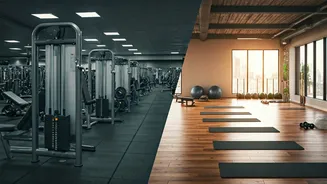
The "new normal" isn't necessarily a complete rejection of the gym. For a growing number of people, it's about creating a hybrid routine. The flexibility of the no-gym world means fitness is no longer an all-or-nothing proposition tied to a single location. People might use an app for a quick morning workout, hit the park for a run at lunch, and still keep a gym membership for access to heavy weights or a specific class once a week. This mix-and-match approach gives individuals ultimate control over their fitness, allowing them to tailor their routine to their schedule, budget, and specific goals on any given day. This flexibility is the true legacy of the pandemic's fitness shake-up.