




The New Private Space Race
For decades, a career in space in India largely meant one destination: the Indian Space Research Organisation (ISRO). Today, the landscape is transforming at rocket speed. With the establishment of IN-SPACe, the government body created to promote private
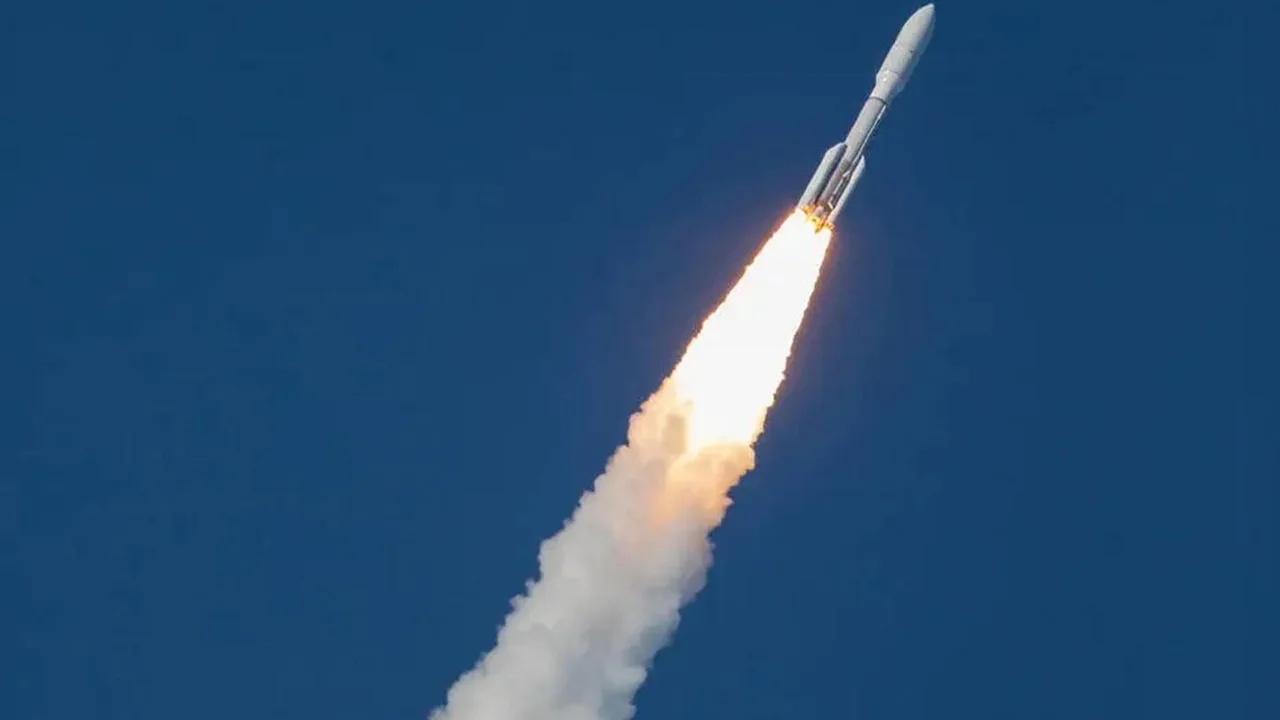
participation, India is now home to over 400 space-tech startups. Companies like Skyroot Aerospace, Agnikul Cosmos, and Pixxel are not just launching rockets and building satellites; they are creating an entirely new job market. This shift from a government-led model to a bustling ecosystem of private players means the demand for skilled professionals is projected to grow significantly, with India aiming to increase its share of the global space economy from 2% to 10% by 2033.
Software, AI, and Data Analytics
The single biggest shift in space-tech is the dominance of software and data. Modern spacecraft are powerful, computer-driven machines, and the fastest-growing job segment is in using the data they generate. Companies are desperately seeking talent in AI and machine learning to analyse satellite imagery for agriculture, climate change, and urban planning. Aerospace software engineers who can write code for flight systems, autonomous navigation, and mission planning are in high demand, with skills in Python and C++ being particularly valuable. Furthermore, as satellites become crucial infrastructure, cybersecurity experts are needed to protect these assets from digital threats. This track opens the door for thousands of software developers and data scientists to enter the space industry.
Evolved Engineering and Manufacturing
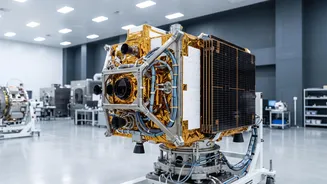
While software is crucial, you still need to build the rocket. Core engineering disciplines remain vital, but with a modern twist. Aerospace and mechanical engineers are needed to design reusable launch vehicles and advanced propulsion systems. There is a growing demand for experts in avionics—the electronic systems of spacecraft—and materials scientists who can work with the advanced composites needed to build lighter, stronger vehicles. As companies look to scale production, a critical bottleneck has emerged in manufacturing. This creates a huge demand for skilled technicians and engineers with experience in advanced manufacturing, robotics, and 3D printing (additive manufacturing) to build satellites and rockets efficiently.
Satellite Services and Geospatial Analysis
One of the most commercially explosive areas is the application of satellite data. Private firms are hiring a new class of professionals called satellite data analysts or geospatial experts. These individuals don't build the satellites, but they use the data collected from them. With skills in Geographic Information Systems (GIS) and remote sensing, they analyse imagery to provide insights for industries like insurance, logistics, and disaster management. As India’s geospatial economy is expected to nearly double by 2030, this field represents a significant opportunity for graduates with backgrounds in geography, environmental science, and data analytics.
The Non-Technical Frontier
A thriving space company needs more than just scientists and engineers. As hundreds of startups compete for funding and customers, there's a surge in demand for non-technical roles. Business development managers are needed to build commercial strategies and secure new markets for satellite services. With the sector being heavily regulated, space policy analysts and lawyers who understand both domestic and international space law are becoming indispensable. Furthermore, these companies need marketing professionals, project managers, and finance experts to help them grow and operate. These roles make the space sector accessible to a much broader range of academic and professional backgrounds.