




More Than a Familiar Flavour
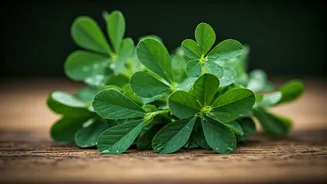
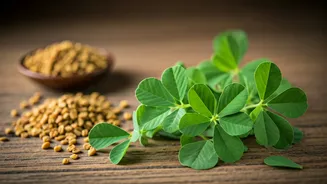
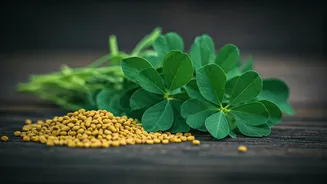
Methi, or fenugreek leaves, carries a distinct, complex flavour that is both nutty and slightly bitter, with a hint of sweetness. This characteristic taste is what makes it a beloved component in countless Indian dishes. The plant, Trigonella foenum-graecum,
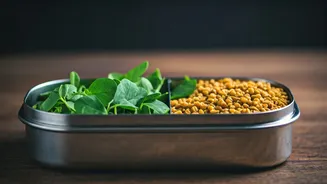
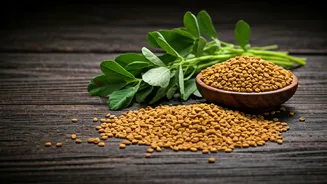
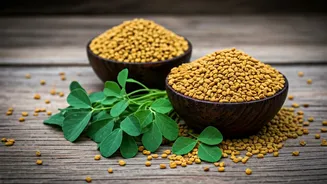
gives us three distinct culinary ingredients: fresh leaves (methi), dried leaves (kasuri methi), and seeds (methi dana). While the seeds are a pungent spice, the leaves are used as a vegetable. Fresh methi is leafy and vibrant, used in everything from dals to sabzis. Kasuri methi, its dried counterpart, offers a more concentrated, earthy aroma and is often used as a finishing herb, crushed over rich curries to add a final layer of flavour. Understanding the difference is key to unlocking their full potential; fresh leaves form the body of a dish, while dried leaves provide the aromatic soul.
A Nutritional Powerhouse
Beyond its unique taste, methi is packed with an impressive array of nutrients that can significantly contribute to overall health. The leaves are a rich source of vitamins A, C, and K, along with essential minerals like iron, calcium, and potassium. With a high dietary fibre content, methi aids in digestion, helps prevent constipation, and supports a healthy gut. Perhaps one of its most celebrated benefits is its role in blood sugar management. Studies suggest that compounds in fenugreek can help improve insulin sensitivity and slow the absorption of carbohydrates, making it particularly beneficial for those managing diabetes. The leaves are also loaded with antioxidants, which help protect the body from damage caused by free radicals, and possess anti-inflammatory properties.
From Market to Pan: A Quick Guide
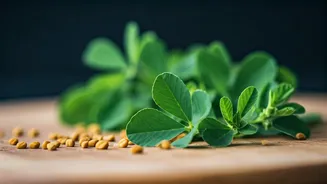
Choosing and preparing methi correctly is crucial for the best flavour and texture. When buying fresh methi, look for vibrant green leaves without any yellowing or wilting. Smaller, younger bunches tend to be less bitter than mature ones. The most time-consuming part of preparing methi is cleaning it. The leaves must be plucked from the thicker, bitter stalks. To clean them, submerge the leaves in a large bowl of water and swirl them around to let the grit and sand settle at the bottom. Repeat this process a few times until the water is clear. To store, pat the leaves completely dry, wrap them in a paper towel to absorb excess moisture, and place them in an airtight container in the refrigerator. This method can keep them fresh for over a week.
Mastering the Signature Bitterness
The distinct bitterness of methi is part of its charm, but it can be overpowering if not managed correctly. There are several simple techniques to temper it. One popular method is to sprinkle salt over the chopped leaves and let them sit for about 15-20 minutes. This process draws out the bitter juices, which you can then squeeze out before cooking. Another effective technique is to blanch the leaves. Briefly immersing them in boiling water with a bit of salt and lemon juice, then rinsing them in cold water, can significantly reduce bitterness without sacrificing their flavour. Pairing methi with ingredients like potatoes, cream, jaggery, or tomatoes also helps to balance its sharp notes.
Beyond Aloo Methi: Creative Uses
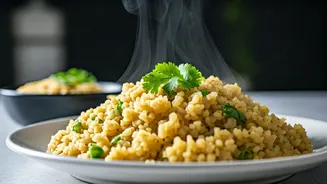
While Aloo Methi and Methi Parathas are timeless classics, this versatile green can elevate a wide range of dishes. Finely chopped leaves can be kneaded into the dough for theplas, puris, or muthia for a flavourful twist. You can stir fresh methi into dal towards the end of cooking for a fragrant and nutritious boost. For a modern take, try making a methi pesto with walnuts and garlic, or finely chop the leaves and add them to omelettes or scrambled eggs. It also pairs wonderfully with other vegetables; a simple stir-fry of carrots and methi (Gajar Methi) is a popular combination. You can even add it to pulao or rice dishes for added aroma and nutrition.