




A Modern Quest for Wellness
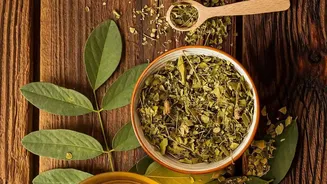
The primary driver behind this trend is a deep-seated focus on health and wellness. Young professionals, navigating high-stress work environments, are increasingly seeking beverages that do more than just refresh. They want functional benefits. Tulsi,
or holy basil, fits this need perfectly. Revered in Ayurveda for centuries, it is classified as an adaptogen, an herb believed to help the body manage stress by balancing cortisol levels. Its benefits are now being appreciated by a new generation looking for natural ways to enhance immunity, improve digestion, and find a moment of calm in a busy day. Unlike caffeinated drinks that can cause jitters, a cold-brewed tulsi infusion offers a soothing, caffeine-free alternative that supports overall well-being.
The Allure of the Cold Brew
The method of preparation is just as important as the ingredients. Cold brewing, which involves steeping tea leaves in cold water for 12 to 24 hours, is gaining popularity for several key reasons. This gentle process extracts the flavours of the tea slowly, resulting in a drink that is significantly less bitter and acidic than its hot-brewed counterpart. The final product is a smoother, naturally sweeter brew that doesn't require heaps of sugar to be palatable. For a busy young professional, the convenience is a major selling point. A large batch can be made over the weekend and stored in the fridge, providing a ready-to-drink, healthy beverage for the entire week. This 'grab-and-go' nature fits seamlessly into a modern, fast-paced lifestyle.
Rediscovering Orthodox Teas
Alongside tulsi, there's a growing appreciation for orthodox teas. The term 'orthodox' refers to the traditional, meticulous method of tea production—involving withering, rolling, oxidation, and drying whole tea leaves by hand. This contrasts with the industrial CTC (Crush, Tear, Curl) method used for most mass-market tea bags, which prioritises strength and colour for milky chai. Orthodox processing preserves the integrity of the tea leaf, resulting in a more nuanced, complex, and aromatic flavour profile. Young consumers are discovering the distinct notes of Darjeeling's muscatel flavour or the malty richness of Assam orthodox, appreciating these teas in the same way one might appreciate fine wine. This pivot towards quality and authenticity reflects a broader consumer trend of seeking premium, artisanal products with a clear origin story.
A Sophisticated Alternative
The choice of cold-brewed tulsi or orthodox tea is also a statement of taste and lifestyle. It positions the drinker as someone who is health-conscious, discerning, and in tune with both modern trends and traditional knowledge. As consumers move away from sugary sodas and artificially flavoured drinks, these natural beverages offer a sophisticated and guilt-free alternative. The trend is amplified by wellness influencers and a growing cafe culture that encourages mindful consumption. It represents an evolution of the tea ritual—from a quick, functional chai break to a mindful moment of self-care. This shift is not about replacing chai but expanding the repertoire to include drinks that align with evolving health priorities and a globalised palate.