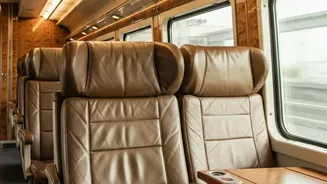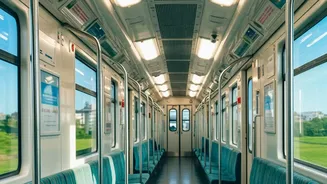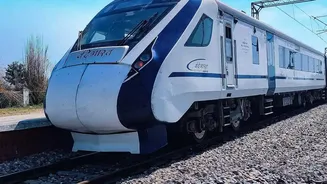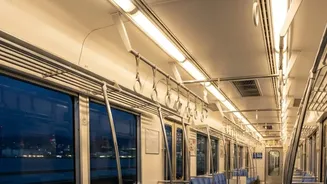





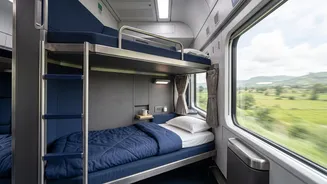
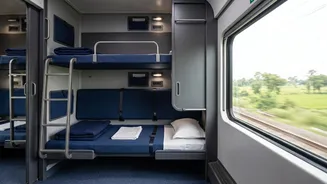
A video making the rounds online has ignited excitement for the new Vande Bharat sleeper trains, pointing to a potentially quieter, more peaceful journey. But what design choices are behind this apparent upgrade in passenger comfort?
A New Chapter in Overnight Travel
Indian Railways is
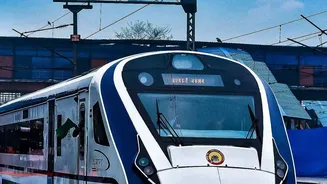
on the cusp of a significant transformation in long-distance travel with the introduction of the Vande Bharat sleeper trains. Designed to replace premium services like the Rajdhani Express on major routes, these trainsets aim to offer a world-class experience that blends speed with superior comfort. Prototypes manufactured by firms like BEML have been unveiled, with commercial services expected to roll out after extensive trials. The Vande Bharat sleeper is engineered to run at speeds up to 160 kmph, promising not just faster journeys but a complete overhaul of the overnight travel experience. With a configuration of 16 coaches—including AC First, Two-Tier, and Three-Tier classes—the train is set to accommodate over 800 passengers, marking a substantial upgrade for overnight commuters.
Engineered for a Quieter Ride
Several key engineering and design features are intended to make the Vande Bharat sleeper a more tranquil space for passengers. The train is built with noise insulation and noise reduction measures specifically to create a calmer cabin atmosphere. This is complemented by an improved suspension system and advanced bogie design, which are engineered to minimize vibrations and provide a smoother, more stable ride. Furthermore, the coaches are connected by fully sealed gangways, which help prevent outside noise and dust from entering the cabin. Automatic plug doors also contribute to this sealed environment, unlike the manually operated doors on many older trains. Together, these elements are designed to create a noticeably quieter and less jerky journey.
The Viral Video and a Not-So-Noisy Detail
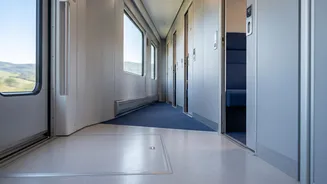
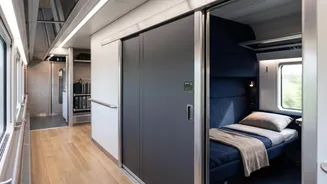
The recent buzz stems from a video by travel content creator Dhananjay Kumar, which highlighted a subtle but significant design change in the AC 3-Tier coaches. In many conventional trains, berths located near the main entry doors are subject to constant disturbances from passenger movement, vendor traffic, and the clatter of opening and closing doors. Kumar's video demonstrates how the Vande Bharat sleeper addresses this common complaint. It features a sliding door at the coach entrance, but crucially, there is a considerable gap separating the door from the first set of berths. This layout creates a buffer zone, effectively distancing sleeping passengers from the noise and activity concentrated at the coach entrance, a small detail that could make a big difference in comfort.
Aspiration Meets Reality
While the video and design features suggest a quieter journey, it's important to frame this within the correct context, as the headline suggests. The observations are based on the train's design and initial impressions, not on scientifically validated data. Indian Railways and the manufacturers have highlighted 'noise insulation' and 'jerk_free' travel as key goals. However, official comparative data, such as decibel level readings inside the Vande Bharat sleeper versus a Rajdhani coach under similar conditions, has not been released. The 'quiet travel' feature is an intended outcome of thoughtful design, but a 'proven noise reduction' is a specific, technical claim that requires rigorous testing. The current excitement is based on the promise of these new features, which will be fully tested once the trains enter regular service.
Beyond Sound: An Ecosystem of Comfort
The focus on a quiet ride is part of a broader effort to elevate the entire passenger experience. The Vande Bharat sleeper is packed with amenities aimed at enhancing comfort and convenience. Berths are designed to be more ergonomic and better cushioned than their predecessors. For the first time on Indian Railways, AC First Class passengers will have access to a hot shower. The trains also feature modern, odour_free bio_vacuum toilets, sensor_based lighting, and integrated reading lights with both standard and USB_C charging ports. Safety is also paramount, with the indigenous 'Kavach' anti_collision system, CCTV cameras, and materials that meet high fire safety standards.