


From More to Meaningful
For generations, Navratri decorations have been synonymous with abundance—a vibrant explosion of colours, lights, and ornaments filling every corner. But a noticeable shift is underway. An increasing number of households, particularly in urban settings,
are embracing a more minimalist or 'uncluttered' aesthetic. This isn't about stripping away tradition, but rather, curating it. Instead of decorating every available surface, the focus is on creating a few beautiful, meaningful focal points that evoke a sense of peace and devotion. The trend prioritises clean spaces, natural materials, and a calm atmosphere, allowing the spiritual essence of the festival to shine through. It's a move away from overwhelming visual noise towards a more personal and serene celebration.
Why Simplicity Is the New Festive Mantra
Several factors are driving this change. For many living in smaller city apartments, a cluttered approach is simply impractical. A minimalist style creates a festive feel without making compact spaces difficult to navigate. There is also a growing desire for more sustainable and eco-friendly celebrations. People are consciously choosing reusable, natural, and biodegradable items like clay diyas, fresh flowers, and cotton fabrics over single-use plastics. This mindful consumption reflects a deeper connection to nature and a rejection of the commercial waste often associated with festivals. Furthermore, as global design trends celebrating minimalism become more mainstream, there is a natural blending of modern aesthetics with traditional practices, resulting in a look that feels both contemporary and deeply rooted.
Create a Central Focal Point
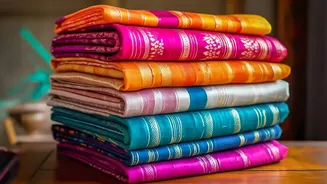
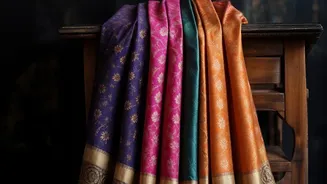
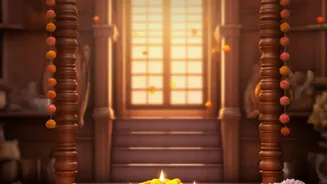
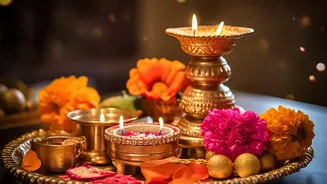
The secret to an uncluttered look is to resist the urge to decorate everywhere. Instead, choose one primary area to be the heart of your celebration. This is typically the home mandir or a dedicated pooja corner. Style this space thoughtfully to draw the eye. Use a clean, plain wall or a simple fabric backdrop, like a traditional silk or cotton sari, behind the deity. Arrange your essential pooja items on a wooden chowki, ensuring there is enough space around each element so the setup looks neat rather than crowded. A beautifully arranged urli bowl filled with water and floating flowers and diyas near the entrance can also serve as a single, stunning welcome gesture.
Adopt a Calmer Colour Palette
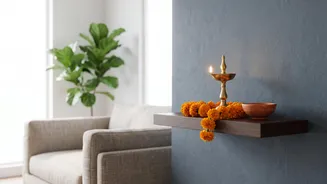
While Navratri is known for its nine distinct colours, you don't need to use them all at once. For a more serene look, start with a neutral base of whites, beiges, or earthy tones. Then, introduce one or two festive colours as accents. For instance, you could use strings of vibrant marigold flowers against a plain white wall or add a few bright cushions in the Navratri colour of the day to a neutral sofa. This curated use of colour makes a stronger impact than a riot of competing hues and helps create a cohesive, elegant look throughout your home.
Embrace Natural and Traditional Materials
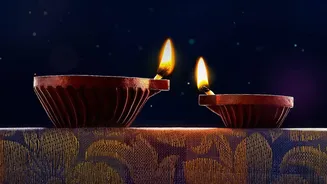
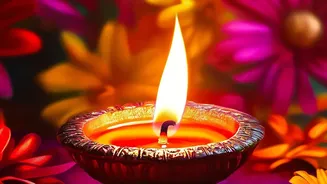
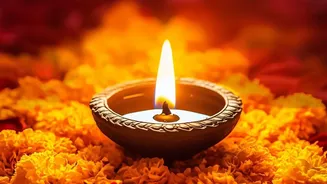
This trend champions authenticity. Swap plastic torans and synthetic flowers for fresh mango leaves and marigold garlands. Use terracotta diyas, which are biodegradable and exude a rustic charm. Brass is another key element; a single, elegant brass lamp or a traditional brass thali can add a touch of timeless grace and warmth that plastic alternatives cannot replicate. These natural materials not only look beautiful but also connect the celebration to age-old traditions and the environment, adding another layer of meaning to your decor.
Use Light to Create Atmosphere
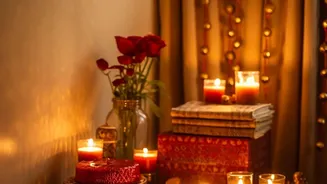
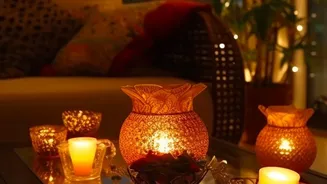
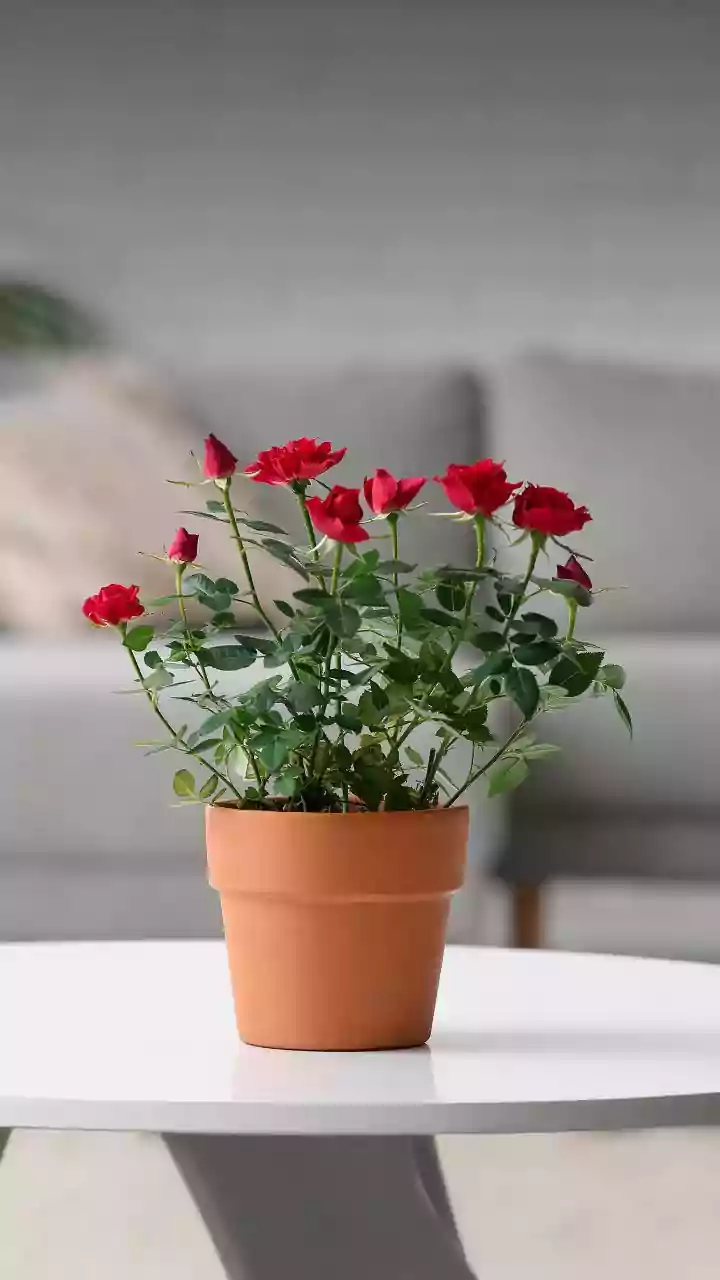
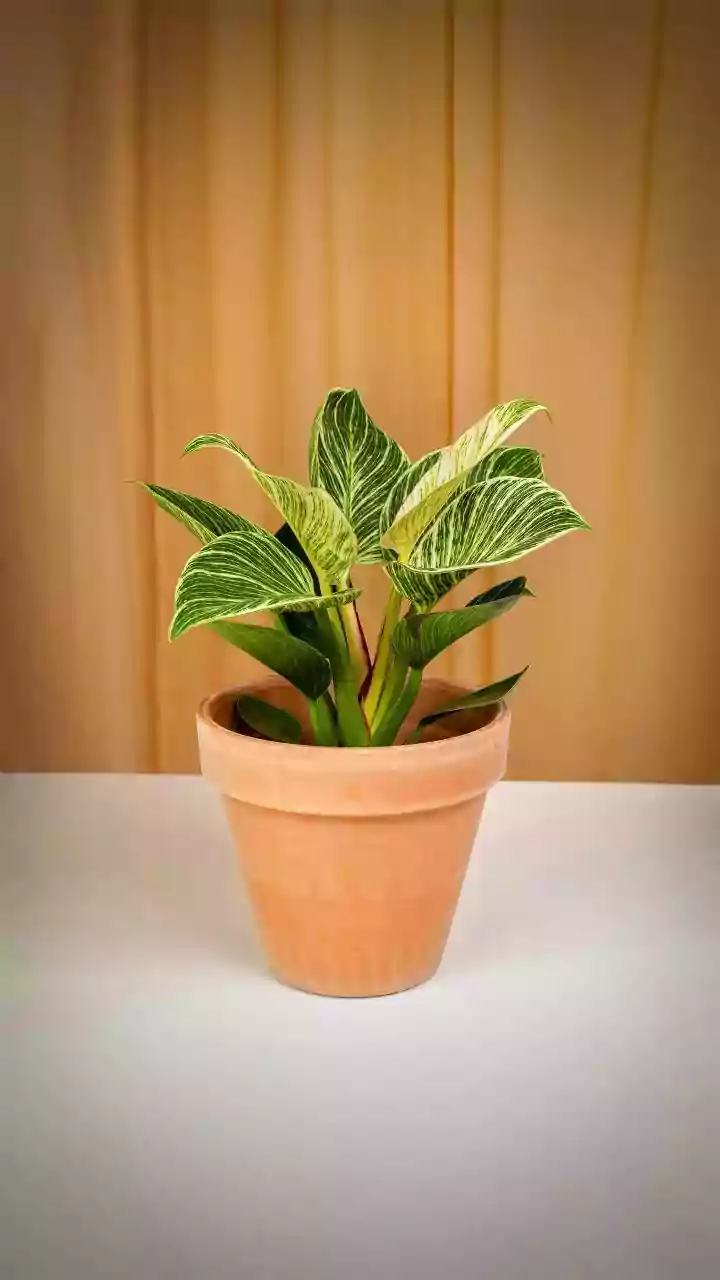
Lighting is one of the most effective tools for creating a festive mood without adding physical clutter. Instead of bright, overhead lighting, opt for layered, warm light. Place clusters of diyas at the entrance, around your pooja corner, and on windowsills. Use fairy lights strategically, perhaps draped behind a sheer curtain or wound around a potted plant, to create a soft, magical glow. Decorative lanterns placed in corners can also add to the warm, inviting ambience, making the space feel special after sunset.