






Embrace the Sleeper Bus
Long-distance travel in Vietnam is dominated by the sleeper bus, an affordable and efficient way to move between cities overnight, saving you the cost of a night's accommodation. These buses feature reclining berths instead of seats, allowing you to lie
down for journeys that can last from six to fourteen hours. Prices are incredibly low, with an eight-hour trip often costing between $12 and $20. For a bit more comfort, consider booking a 'VIP' or 'limousine' bus, which offers more spacious cabins, privacy curtains, and sometimes even onboard toilets for a slightly higher price. Booking is simple through user-friendly online platforms like Vexere, Baolau, or 12Go.asia, which are available in English. To ensure a smoother ride, try to book a bunk on the lower level and towards the middle of the bus, as this area experiences less motion. Keep your valuables like your passport and phone with you in a small bag, not in the luggage compartment below.
Master the Art of Hostel Hopping
Vietnam’s hostel scene is diverse and incredibly affordable, offering much more than just a cheap bed. For as little as $5 to $8 per night, you can find a dorm bed, while more premium hostels with pod-style bunks, privacy curtains, and rooftop pools might cost between $11 and $14. These aren't just for backpackers; many hostels offer private rooms for $16 to $32, providing hotel-like privacy with the social benefits and resources of a hostel, such as tour desks and communal kitchens. Major cities like Hanoi, Ho Chi Minh City, and Da Nang have a huge selection, from buzzing party hostels to quieter, boutique-style options. When booking, look beyond the price and read recent reviews. A great hostel can be a hub for meeting other travellers and getting local recommendations, making it a valuable part of your journey.
Eat Like a Local for Less
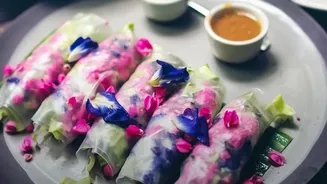
The single best way to save money and experience authentic Vietnamese culture is through its food. Street food is not only delicious but also remarkably cheap. A filling bowl of phở (noodle soup), a classic bánh mì (baguette sandwich), or a plate of cơm tấm (broken rice) will often cost just $1 to $2. Look for street-side stalls and small eateries bustling with locals, as this is always a sign of good quality and fair prices. Don't be afraid to point at what you want. Key dishes to try include bún chả (grilled pork with noodles) in Hanoi and bánh xèo (crispy pancake) in central Vietnam. For drinks, skip the expensive imported beers and try bia hơi, a fresh local draft beer that can cost less than a dollar. By eating locally, a daily food budget of $10 to $15 is easily achievable.
Smart Tips for Extra Savings
Beyond the big three, a few other habits can cut your costs. Use ride-hailing apps like Grab for getting around cities; a GrabBike is often the fastest and cheapest way to navigate traffic for short distances. When shopping in local markets for souvenirs or clothing, a friendly and respectful approach to bargaining is common, but it's not expected for food or in stores with fixed prices. Always carry some cash, as many small vendors and restaurants do not accept cards. Traveling during the shoulder seasons (spring and autumn) can also lead to lower prices for accommodation and tours compared to the peak summer months or holidays like Tet (Lunar New Year).