






The Invisible Workforce
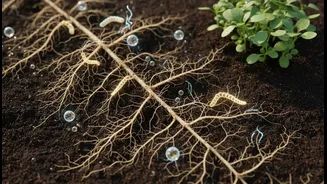
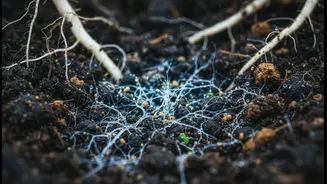
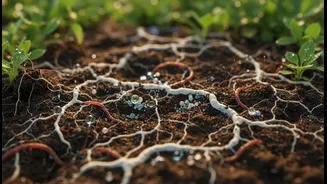
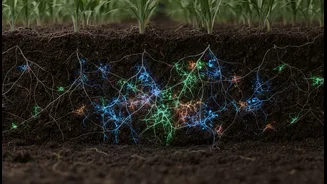
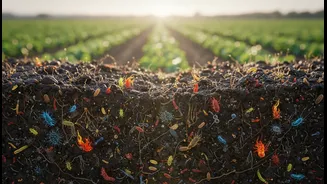
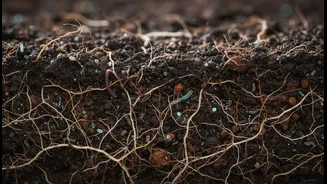
A single teaspoon of healthy soil can contain billions of microorganisms, including bacteria, fungi, protozoa, and more. This microscopic community is collectively known as the soil microbiome. For centuries, we’ve treated soil like a simple anchor for
plants, a medium to be filled with chemical fertilisers. But science is revealing it to be a living, dynamic ecosystem. These microbes are not passive bystanders; they are an active workforce, constantly breaking down organic matter, cycling nutrients, and shaping the very structure of the soil. They are the true, unsung heroes of agriculture, performing critical functions that determine the health of our food systems and environment.
Why Microbes Matter for Crops
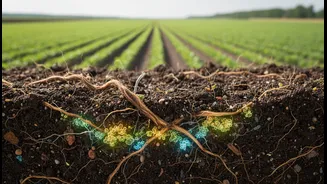
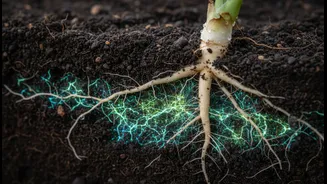
The benefits of a healthy soil microbiome for crops are immense. These microorganisms form symbiotic relationships with plant roots, acting as extensions of the plant's own systems. For instance, certain bacteria can 'fix' nitrogen from the atmosphere, converting it into a form that plants can use—a natural, free alternative to synthetic nitrogen fertilisers. Other fungi help plants absorb phosphorus and water more effectively. This microbial army also acts as a plant's personal security detail, suppressing diseases by outcompeting harmful pathogens for space and resources. A diverse and thriving microbiome leads to stronger plants, higher yields, and increased resilience against stresses like drought and disease. Products like biofertilizers, which contain these beneficial microbes, are a direct application of this science, aiming to restore life to the soil.
The Great Communication Failure
The science is clear, but its journey from the lab to the field is fraught with challenges. The primary audience for this knowledge—the Indian farmer—is often left out of the conversation. Complex scientific jargon, lack of access to credible information, and a reliance on traditional, often chemical-heavy, farming practices create a significant barrier. There is a critical shortage of effective 'explainers'—people and materials capable of translating the complex science of soil microbiology into simple, actionable advice for farmers. Information about new technologies often fails to reach rural areas, is not available in local languages, or is lost in a sea of misinformation and counterfeit products that erode trust. Without clear communication that demonstrates the tangible benefits, such as reduced costs and improved soil longevity, the adoption of microbial solutions will remain slow.
A Business and Policy Imperative
This isn't just a scientific or agricultural issue; it's a pressing business and policy imperative for India. Over-reliance on chemical fertilisers has degraded vast tracts of land, creating a long-term threat to our food security. Restoring soil health with microbial solutions is not just an environmental goal but a sound economic strategy. It can reduce the nation's massive fertiliser subsidy bill, lower input costs for farmers, and create a more resilient and sustainable agricultural sector. For the agri-tech industry, this represents a huge opportunity. Companies that can develop effective, stable biofertiliser products and, crucially, build the educational infrastructure to explain their value will be the leaders of tomorrow. Government initiatives like the Soil Health Card scheme must evolve to look beyond simple chemical analysis and incorporate a biological, microbial perspective.