
Meet Shokupan: Japan's Favourite Loaf
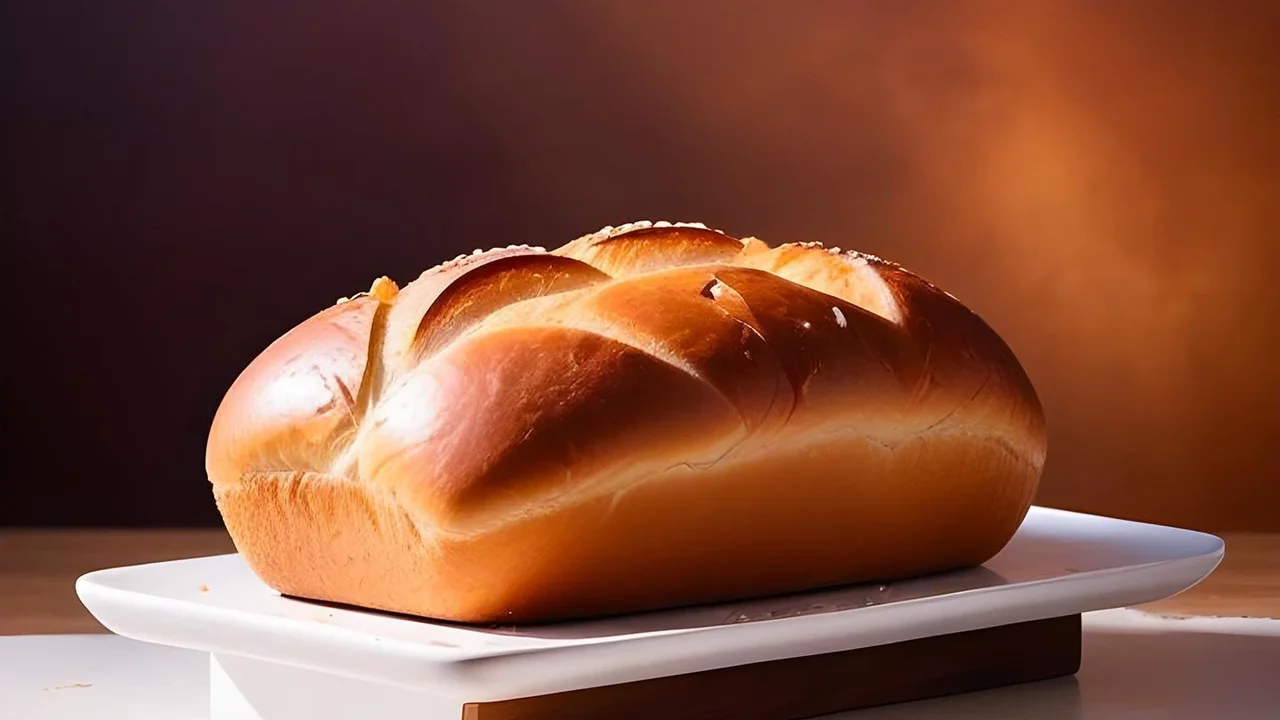
Known as 'shokupan' in Japan, which translates to 'eating bread,' this loaf is a staple, much like baguettes are in France. It serves as the foundation for everything from breakfast toast to the meticulously crafted fruit sandos found in convenience stores.
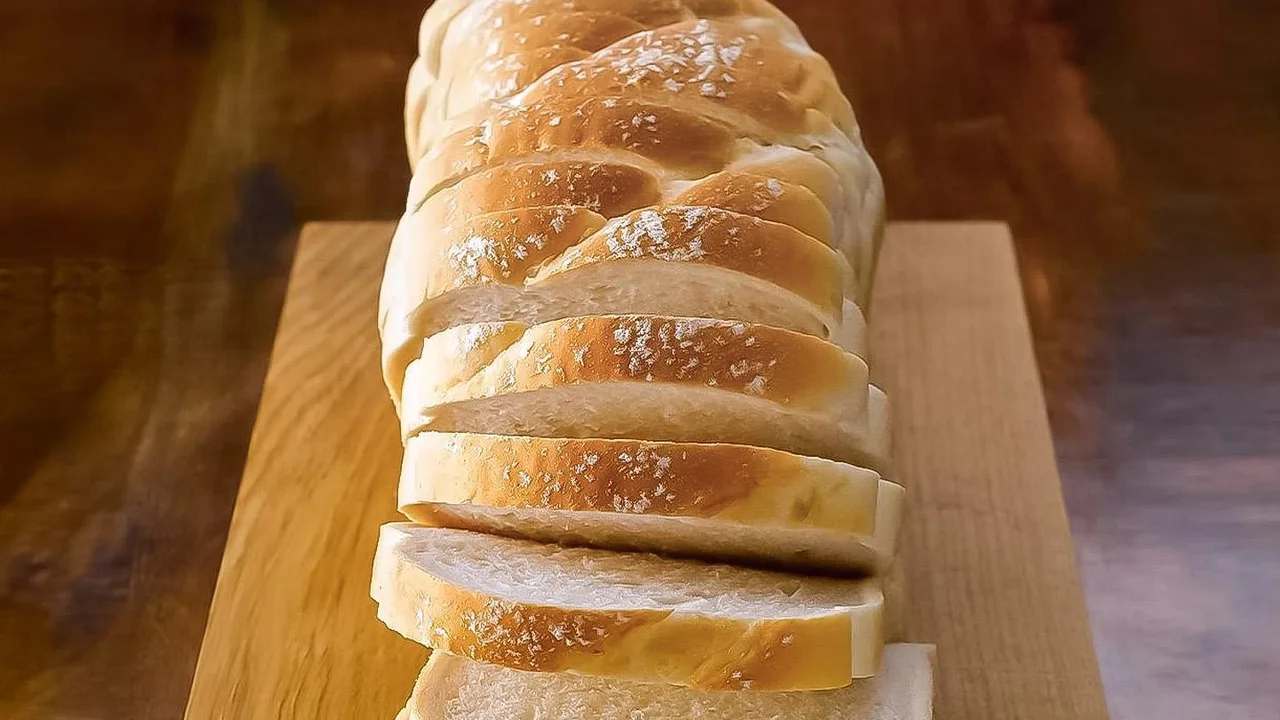
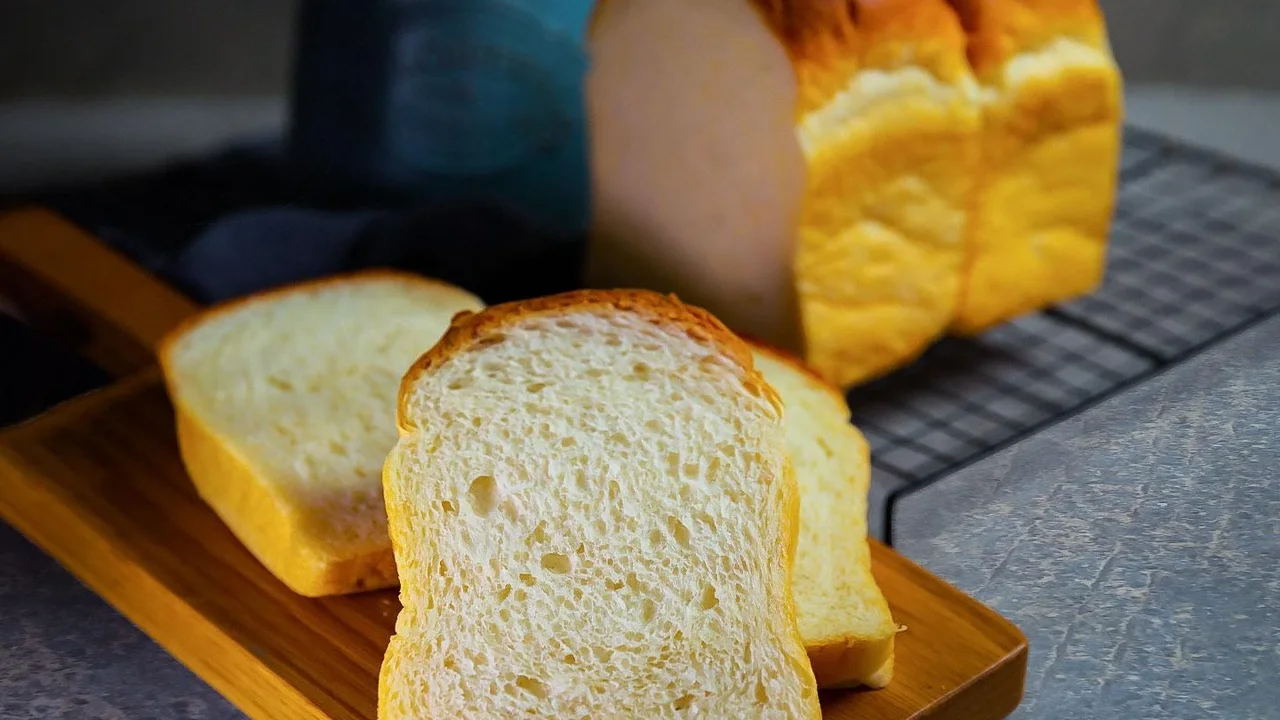
While bread is not a traditional part of Japanese cuisine, having been introduced widely after World War II, shokupan has been perfected to an art form. It’s celebrated for a fine, tight crumb and a 'mochi-like' bouncy texture that sets it apart from typical Western-style sandwich breads. The experience is one of pure comfort: rich but light, tender, and just sweet enough.
The Secret is a Special Starter
The magic behind shokupan's incredible softness lies in a special technique involving a pre-cooked paste of flour and liquid, known as a 'water roux'. There are two main methods: Tangzhong (Chinese in origin) and Yudane (Japanese in origin). Both involve gelatinizing the starches in a portion of the flour before it's even added to the main dough. For the Tangzhong method, flour and a liquid like water or milk are cooked in a saucepan to about 65°C until a thick paste forms. The Yudane method is similar but simpler: boiling liquid is poured over flour and mixed to form a doughy mass that is left to cool. This seemingly small preparatory step is the key to transforming the final loaf.
The Science of Softness
So, how does this paste work? It’s all about moisture. When you heat flour and water, the starch granules swell and absorb a significant amount of liquid, trapping it in a gel-like structure. This process, called gelatinization, allows the final dough to hold much more hydration than a standard bread recipe could without becoming a sticky, unworkable mess. More water locked into the dough means two things. First, during baking, that extra moisture creates more internal steam, leading to a higher rise and a fluffier, more tender crumb. Second, the bread retains that moisture long after it has cooled, which is why shokupan stays soft and fresh for days longer than other homemade breads.
Enrichment Elevates the Texture
While the Tangzhong or Yudane method is crucial, it’s not the only factor. Shokupan is also an enriched dough, meaning it includes ingredients like milk, butter, sugar, and sometimes eggs. These fats and sugars do more than just add flavour; they actively contribute to the bread’s tenderness. Fats like butter coat the flour proteins, shortening gluten strands and resulting in a softer, less chewy texture. The milk provides both fat and sugar, enhancing the milky, sweet flavour profile that shokupan is known for, while also contributing to a richer crumb and a beautifully golden-brown crust. The combination of high moisture from the roux and the tenderizing effect of the enrichments is what creates its signature melt-in-your-mouth quality.
A Loaf That Conquered the World
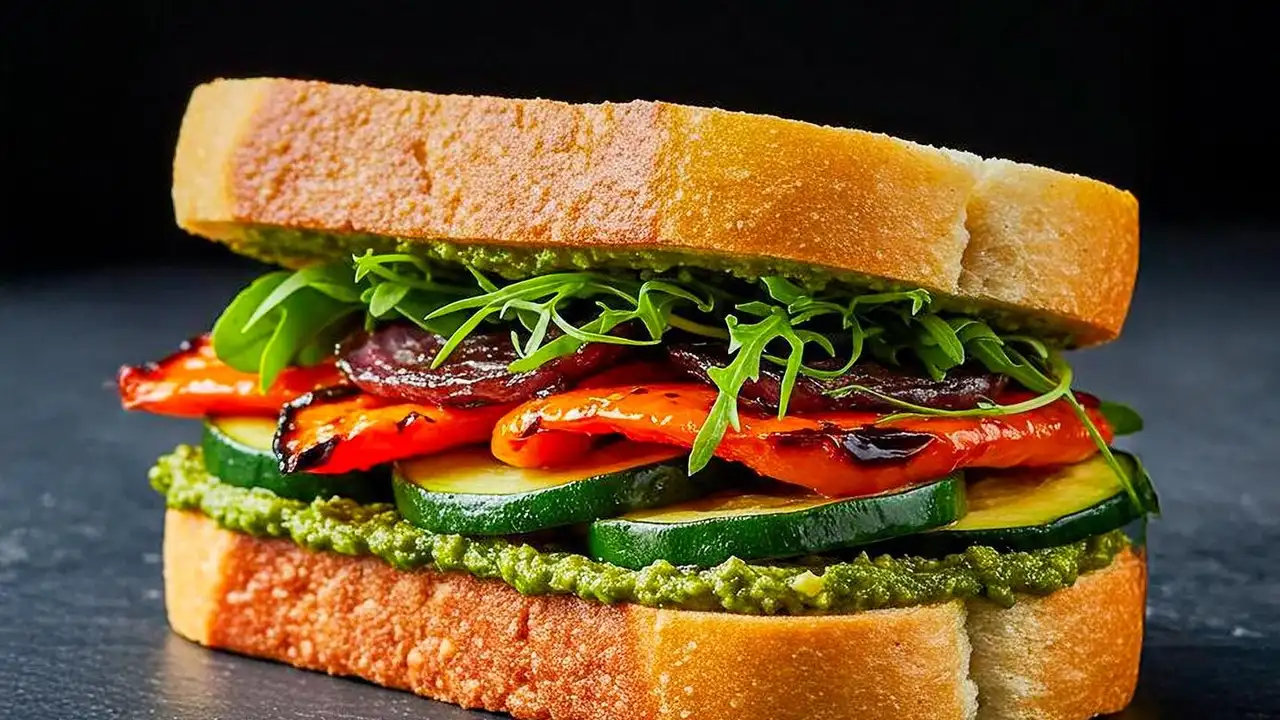
Though it began as a staple in Japan, shokupan's unique qualities have earned it global adoration. In recent years, it has exploded in popularity, with artisan bakeries from New York to London adding it to their menus and home bakers enthusiastically tackling the technique. Its perfectly rectangular shape, often achieved by baking in a special lidded Pullman loaf pan, makes it ideal for sandwiches, while its inherent sweetness and soft texture make it a delightful treat on its own, simply toasted with a smear of butter. This loaf is a testament to the Japanese dedication to perfecting a craft, turning a simple staple into a culinary marvel.