








What is an Experience-First Holiday?
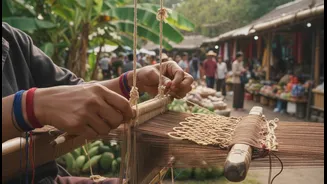
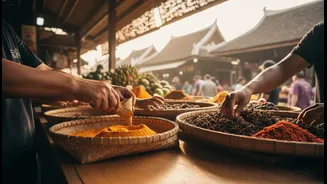
Forget rushing between landmarks. An experience-first holiday is about immersing yourself in a destination. It’s the difference between seeing a temple and learning about its rituals from a local, or eating at a restaurant versus joining a cooking class
that starts with a trip to a bustling market. This approach prioritises authentic, hands-on activities that create lasting memories and a genuine connection to the local culture. More than 90% of travellers in the Asia-Pacific region now say experiences are a key part of their travel budget, valuing meaningful engagement over a packed itinerary. This shift is driven by a desire for authenticity and personal growth, turning a simple vacation into a transformative journey.
Transforming Family Travel
For families, this trend is a game-changer. Experience-led trips offer a dynamic, real-world classroom for children, moving learning beyond textbooks. Imagine your family learning traditional batik art in Indonesia, planting rice with farmers in Chiang Mai, or taking a boat through a floating village in Cambodia. These shared activities are not only educational but also create powerful bonding moments that a typical resort stay might lack. Children often ask profound questions during these encounters, sparking meaningful family conversations. Activities like ethical elephant encounters, quad biking through the countryside, or taking a family cooking class provide fun and engaging ways for all ages to connect with a new culture and with each other.
Simplifying Group Planning
Planning a trip for a group with diverse interests can be challenging. Experience-first travel offers a solution by focusing on shared activities that can unite everyone. Instead of trying to find a museum that satisfies all, a group can book a private junk boat in Hong Kong, go kayaking in Halong Bay, or embark on a culinary tour through Penang. These activities provide a common focus and create collective memories. Tailor-made group trips can be built around specific interests, whether it's a historical tour tracing ancient empires, a wellness retreat in Bali, or an adventurous trek. This approach caters to a wide range of tastes while ensuring the trip is cohesive and enjoyable for the entire group.
Redefining Destination Choice
The focus on experiences is also reshaping how travellers choose their destinations. Rather than defaulting to major capital cities, people are letting activities guide their itineraries. A recent study found that nearly a quarter of travellers now choose an activity before selecting the country. This has led to a rise in interest for secondary destinations and rural areas that offer unique cultural encounters, from homestays in Sapa, Vietnam, to diving conservation missions in the Philippines. Travellers are increasingly willing to visit a lesser-known city to attend a local festival or explore a single neighbourhood in depth to find authentic crafts and food. This trend not only provides richer experiences for visitors but also brings economic benefits to communities beyond the usual tourist hotspots.