




Location is Everything
The first step is to designate a specific 'drying zone'. Most people make the mistake of hanging clothes wherever there is space. Instead, choose a single area, preferably a room with low foot traffic like a guest room or a specific corner of your bedroom.
A covered balcony can also work, provided it's shielded from sideways rain. Avoid damp, poorly ventilated areas like basements. The goal is to contain the moisture released from wet clothes into one manageable area, preventing dampness from spreading throughout your home. A bathroom can be a good option if it has an exhaust fan that vents outside, as this actively removes humid air.
Master the Airflow
Humidity is the real enemy of dry clothes. When clothes dry, the water they hold evaporates into the air, increasing the room's humidity. Without proper ventilation, this moisture has nowhere to go, settling on walls and furniture, which can lead to mould. The key is to keep the air moving. Place a pedestal or ceiling fan aimed at your drying rack to speed up evaporation significantly. Creating cross-ventilation by opening a window slightly, even for a short period when it's not actively raining, allows moist indoor air to be replaced by drier outdoor air. An exhaust fan is also highly effective at pulling damp air out of the room.
Actively Dehumidify Your Space
For those living in extremely humid regions like Mumbai or Kolkata, where indoor humidity can exceed 80%, a dehumidifier is a game-changer. This appliance works by pulling moisture directly from the air, drastically reducing drying times from over a day to just a few hours. Many modern dehumidifiers even come with a dedicated 'laundry' or 'clothes drying' mode. If a dehumidifier isn't in your budget, you can use moisture absorbers like silica gel packs or open containers of coarse sea salt placed in the corners of the room to help soak up some of the excess ambient moisture.
Choose the Right Equipment
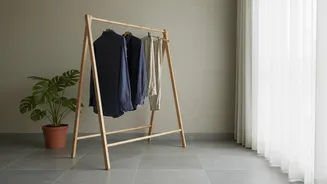
A good drying rack is essential. Opt for multi-tiered metal racks over wooden ones, as wood can warp with moisture. Ensure you don't overcrowd the rack; leaving ample space between garments is crucial for air circulation and faster, more even drying. Using hangers for shirts and kurtas allows them to maintain their shape and improves airflow. For those with limited floor space, wall-mounted or ceiling-mounted pulley drying systems are excellent, space-saving alternatives. In recent years, heated clothes airers have also become available, which use a small amount of electricity to gently warm the rails, significantly cutting down drying time.
Prepare Your Laundry for Success
The drying process begins in the washing machine. Before hanging your clothes, run an extra spin cycle at the highest speed your fabric can handle. This can remove a surprising amount of excess water, giving you a significant head start. Once the cycle is done, don't let damp clothes sit in the machine or laundry basket, as mildew and musty smells can develop in less than an hour. Hang them immediately. Before placing each item on the rack, give it a good, sharp shake to untangle it and open up the fibres, which helps reduce wrinkles and aids in quicker drying.
Banish the Dreaded Musty Smell
That 'amoy kulob' or musty smell is caused by bacteria and mould growing on clothes that stay damp for too long. Quick drying is the best prevention. If a load does develop a slight odour, you don't have to rewash it. Ironing slightly damp clothes can help dry out the remaining moisture and kill some of the odour-causing bacteria. To keep your drying zone smelling fresh, you can place bowls of baking soda, activated charcoal, or even coffee grounds in the room to absorb odours. Using an essential oil diffuser can also help maintain a pleasant fragrance and combat the heavy, damp feeling in the air.