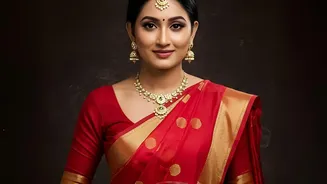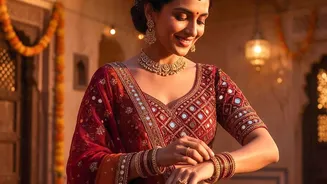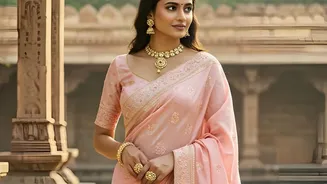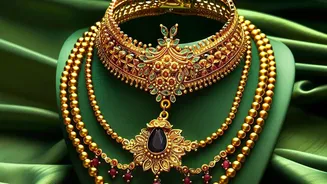





In India, gold is more than just a precious metal; it’s a cultural touchstone and a financial bedrock. For centuries, families have woven gold jewellery into the fabric of their lives, creating a unique legacy of resilience and wealth preservation.
A Tradition Forged in Antiquity
The
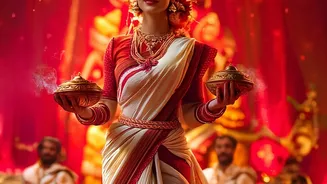
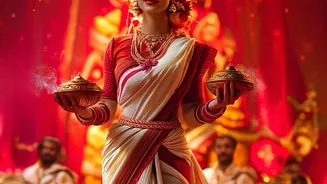
story of gold in India is as old as its civilisation. Archaeological finds from the Indus Valley reveal exquisite gold ornaments, showing that its value was recognised thousands of years ago. Ancient texts like the Vedas associate gold with deities, purity, and prosperity, cementing its place in religious rituals. This deep cultural embedding is why buying gold during festivals like Diwali, Akshaya Tritiya, and Dhanteras is considered auspicious, believed to attract good fortune and blessings from Lakshmi, the goddess of wealth. Unlike other assets, gold was never just a commodity; it was a symbol of divine blessing, status, and power for kings and commoners alike. This perception has been passed down through generations, making gold an integral part of the Indian identity.
The Woman's Wealth: Stridhan as Financial Security
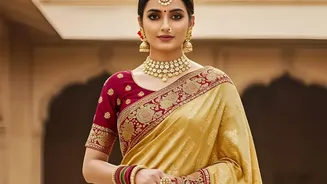
Historically, gold jewellery has been a crucial tool for women's financial security through the concept of 'Stridhan'. Literally meaning 'woman's property', Stridhan refers to the assets, primarily gold jewellery, gifted to a woman before, during, and after her marriage. These gifts, from her own family as well as her in-laws, are her absolute property, providing a personal financial safety net. In a patriarchal society where property inheritance traditionally favoured men, Stridhan offered women a degree of economic autonomy. This wasn't just about ornamentation; it was her personal, portable wealth that she could rely on in times of distress, giving her a measure of independence and security in her marital home.
A Liquid Asset in Times of Crisis
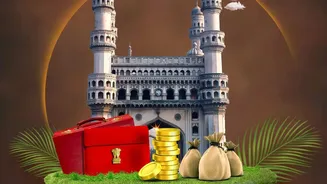
Throughout India's turbulent history, from famines and wars to economic downturns, gold has consistently served as a reliable emergency fund. Its true power lies in its liquidity—the ability to be quickly converted into cash when needed most. Families have pledged or sold gold jewellery to navigate financial shocks, fund a child’s education, manage unexpected medical bills, or survive a poor harvest. This practice is so widespread that the formal gold loan industry has seen massive growth, with people leveraging their household gold for quick funds without having to sell their cherished heirlooms. On a national scale, India itself turned to its gold reserves during the severe economic crisis of 1991, pledging 67 tonnes to secure an emergency loan and avert a default, a move that highlighted gold's ultimate role as the asset of last resort.
An Intergenerational Bridge of Legacy
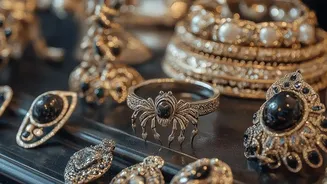
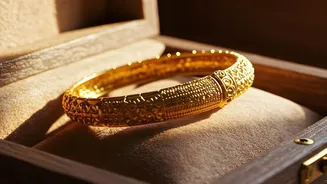
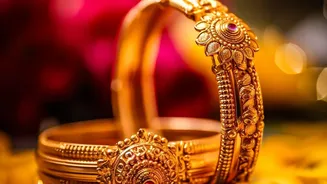
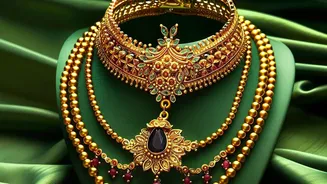
Gold jewellery in India is rarely just an investment; it is a vessel of memory and legacy. Pieces are passed down from one generation to the next, especially from mothers to daughters or daughters-in-law, as a cherished family heirloom. These ornaments carry sentimental value that far exceeds their monetary worth, representing a family's history, traditions, and blessings. A grandmother's bangles or a mother's wedding necklace become tangible links to one's heritage. This act of passing down gold is a symbolic transfer of wealth, love, and the family's legacy, ensuring that its cultural and financial significance endures across generations.
Modern Resilience, Timeless Appeal
Even in today's world of digital finance, stocks, and mutual funds, gold's allure has not faded. For many Indian households, it remains the most trusted asset. It serves as a powerful hedge against inflation, protecting savings from the eroding value of currency over the long term. While urban investors might diversify into digital gold or sovereign gold bonds, physical jewellery remains the preferred form, especially in rural India, which accounts for a significant portion of the country's gold consumption. The estimated 34,600 tonnes of gold held by Indian households as of mid-2025 underscores its monumental role in the nation's private financial landscape. This enduring trust proves that for millions, gold is not an archaic tradition but a living, breathing component of modern financial planning.