

An Art Gallery Without Walls
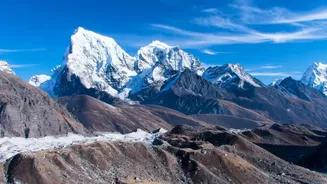
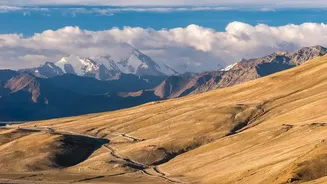
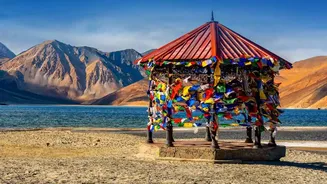
Forget white-walled galleries and climate-controlled museums. The sā Ladakh Biennale, billed as the world's highest regenerative art biennale, transforms a 200-kilometre stretch of the historic Leh-Kargil corridor into a sprawling open-air exhibition.
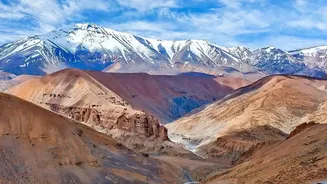
Running from August 1 to 10, 2026, this event invites visitors to experience art directly within the landscape, at altitudes exceeding 3,000 metres. The name itself, 'sā', means 'soil' in the Ladakhi language, signalling a deep connection to the land. Unlike a traditional art show, there are no tickets or formal ceremonies; the focus is on a slow, mindful journey where the landscape is as much a part of the art as the installations themselves.
The Journey is the Destination
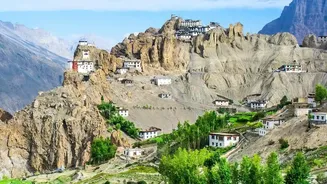
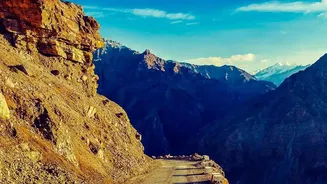
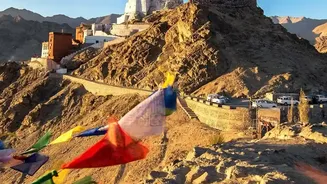
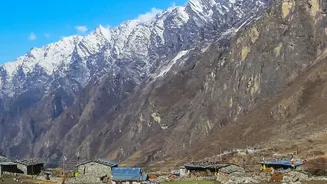
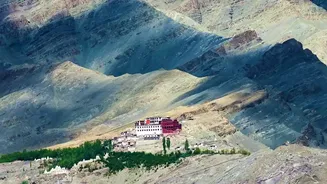
The biennale unfolds across eight distinct locations, each chosen for its cultural and historical significance. The trail guides visitors through Leh, Basgo, Likir, Nurla, Lamayuru, Heniskot, Mulbekh, and Kargil, with some installations in the poignant, abandoned village of Hunderman. This curated path encourages exploration beyond the usual tourist circuit, creating a road trip that connects ancient monasteries, remote villages, and breathtaking valleys. Each site hosts several site-specific installations, turning the journey between them into an act of discovery. Artists, both local and international, have created works that respond directly to their surroundings, from the legacy of the Silk Road in Leh to the pastoral rhythms of Mulbekh.
Art That Gives Back to the Earth
The core philosophy of the biennale is 'regenerative art'. This goes beyond simply being sustainable; it aims to create works that actively engage with and give back to the environment. Artists use locally sourced, biodegradable, and recycled materials to craft their installations. For example, one project in Likir involves a collaboration with a traditional pottery family to create clay vessels embedded with seeds that evolve during the festival. Another transforms a pedestrian bridge in Nurla into a musical instrument with bells that ring as people cross. These thoughtful creations are designed not to impose on the scenery but to interact with it, sparking conversations about ecology, community, and the fragile Himalayan ecosystem.
A Deeper Connection with Culture
At its heart, the sā Ladakh Biennale is a community-driven initiative. It was born from a desire to create a platform for Ladakhi artists, who often had to exhibit their work outside the region. The event brings together dozens of local and international artists, fostering a dialogue between contemporary art and traditional knowledge. In one village, an artist works with local women artisans, using traditional crafts like wool felting and knitting to create a collective artwork that helps revive a disappearing heritage. For visitors, this offers a more profound way to understand Ladakh, moving beyond postcard views to see how art, local life, and the environment are deeply intertwined.
How to Experience the Art Trail
Planning a trip to the sā Ladakh Biennale requires a bit of preparation. The most crucial step is acclimatisation; organisers strongly advise spending at least 48 hours in Leh to adjust to the high altitude before venturing out on the trail. While entry to all art sites is free, visitors are required to register in advance. The route from Leh to Kargil can be traversed using local taxis or rental vehicles. The experience is designed to be self-paced, allowing you to linger at installations and absorb the stunning surroundings. Instead of a checklist of sights, the biennale offers a unique itinerary where the journey itself—the drive, the walks to the art, and the interactions along the way—is a central part of the cultural experience.