



The Annual Footwear Sacrifice
For months, the city’s residents engage in a frantic, often-losing battle to protect their feet. The options are grim. There are the ubiquitous flip-flops and plastic sandals, which offer zero protection from the cocktail of rainwater, sewage, and debris
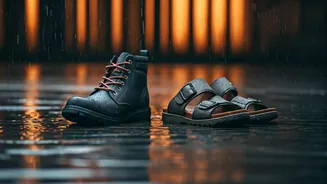
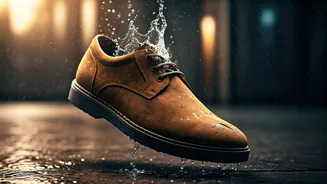
that floods the streets. [18] They invite a host of fungal and bacterial infections. [6, 8] Wading through even ankle-deep water in open footwear is a health risk many take daily. [10] Then there's the option of sacrificing a decent pair of shoes—sneakers that get soggy and smelly, or leather shoes that warp and stain beyond recognition. [22, 23] Many resort to carrying a separate pair of 'office shoes', turning the daily commute into a logistical puzzle. The popular choice of Crocs and clogs offers a middle ground, but they are hardly a foolproof solution for navigating seriously waterlogged areas. [3, 5] The reality is that traditional monsoon footwear choices are a compromise between practicality and inevitable ruin.
The Unbeatable Case for Gumboots
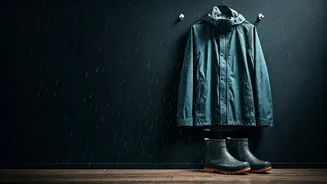
Enter the humble gumboot. Often dismissed as something for children or industrial workers, the modern gumboot is the unsung hero Mumbai’s monsoon demands. [11] Their core function is simple and profound: they are completely waterproof. [15] Unlike water-resistant hiking shoes that might eventually give way in a torrential downpour, a proper knee-high or ankle-length gumboot made from rubber or PVC creates an impermeable barrier. [7, 13] This means your feet stay completely dry, not just from the rain, but from the hazardous floodwater. [14] This isn't just about comfort; it's a significant health benefit. Keeping feet dry and clean drastically reduces the risk of common monsoon ailments like athlete's foot, leptospirosis, and other skin infections that thrive in damp conditions. [8, 18] In a city where wading through uncertain waters is a seasonal reality, the absolute protection offered by gumboots is unparalleled.
But Are They Fashionable?
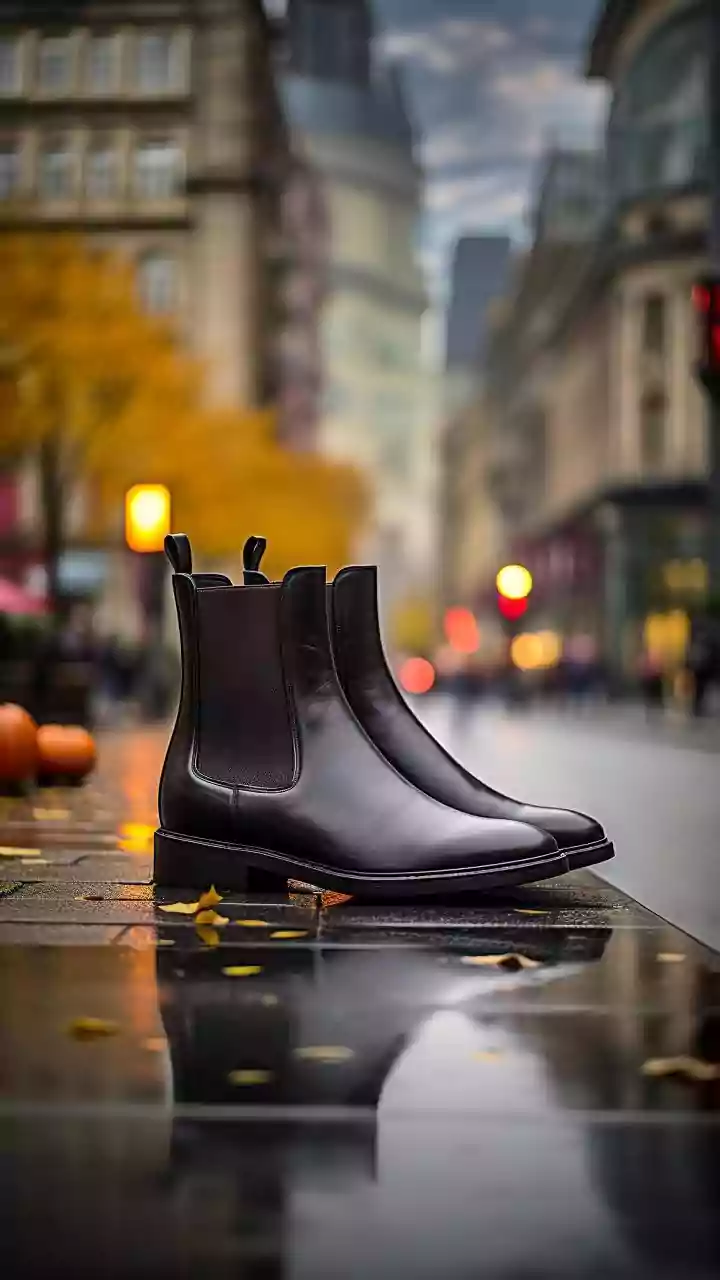
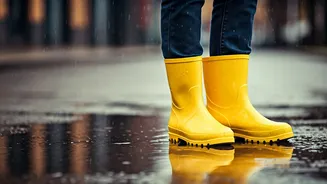
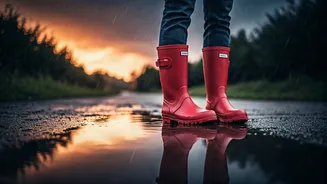
The biggest objection to gumboots has always been aesthetic. For many, they conjure images of clunky, purely functional gear. [20] However, this perception is outdated. The fashion world has long embraced the wellington boot, and today’s market is flooded with options that are anything but drab. [16] Online retailers like Myntra and Nykaa Fashion, as well as local stores, now offer gumboots in a dizzying array of colours, patterns, and finishes. [4, 9, 25] You can find sleek, ankle-length Chelsea-style rain boots that pair perfectly with formal trousers or jeans, and vibrant, printed knee-high versions that make a style statement with a dress or skirt. [15, 16] Brands have transformed the gumboot from a practical necessity into a style accessory. Choosing a bright yellow or polished black pair is no longer a compromise—it’s a conscious fashion choice that happens to be brilliantly practical.
Making the Switch: A Practical Guide
Embracing gumboots is easy. For those living in low-lying, flood-prone areas, a knee-high pair is a non-negotiable investment. [3, 13] For others, a chic ankle-length boot might be sufficient for most commutes. When buying, ensure a comfortable fit; wearing them with socks is recommended to prevent chafing and absorb sweat. [13] While they keep external water out, they aren't very breathable, so it's wise to air them out properly after use and perhaps use an antifungal powder to keep them fresh. [22] Many Reddit users and style guides suggest keeping a pair in the car or at the office as a quick-change option for unexpected downpours. [10] The cost is also reasonable, with functional and stylish pairs available starting from a few hundred rupees, making them an accessible upgrade to your monsoon survival kit. [11, 21]