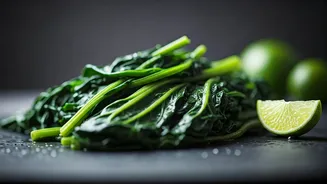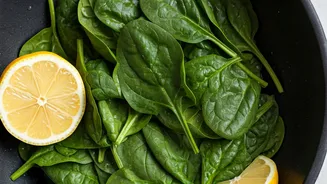




The Tragedy of Overcooked Greens
It’s a familiar story in kitchens across India. You start with beautiful, emerald-green palak, crisp green beans, or perfectly shaped broccoli florets. You have visions of a colourful, healthy dish. But somewhere between the heat of the pan and the final
serving, the magic is lost. The vibrant colour fades into a drab, unappetizing shade of brownish-green. This happens because of a pigment called chlorophyll, which is responsible for the green colour in plants. When green vegetables are heated, their cell walls break down, releasing natural acids. These acids react with the chlorophyll, causing a chemical change that strips away its bright green hue and leaves behind a dull, olive-coloured compound called pheophytin. The longer the greens are cooked, the more this reaction occurs, leading to that disappointing colour and often a mushy texture.
A Simple Hack: The Right Way to Use Lime
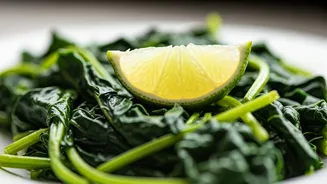
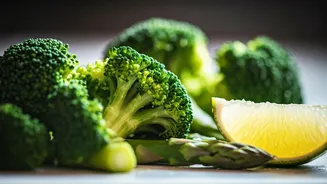
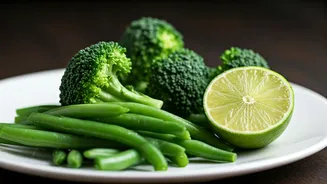
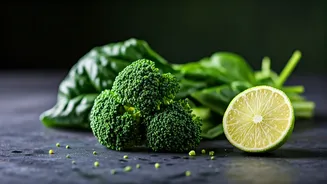
The headline promises a solution, and it’s a good one, but with a crucial catch: timing is everything. While acid is the culprit during the cooking process, it can be your saviour when used correctly. Adding an acid like lime juice or vinegar while your greens are cooking will actually accelerate the colour loss. The trick is to add your squeeze of fresh lime juice *after* the greens are cooked and you have removed them from the heat. A final splash just before serving does two wonderful things. First, it brightens the flavour of the vegetables, cutting through any bitterness and adding a fresh, zesty note that makes your tastebuds sing. Second, when added at the end, it doesn’t have enough contact time with the chlorophyll under heat to cause significant colour degradation. Instead, you get all the flavour benefits without the dulling effect.
The Science of Green
To truly master vibrant greens, it helps to understand the chemistry. The chlorophyll molecule that gives vegetables their green colour has a magnesium atom at its core. Heat and acid work together to knock this magnesium atom out and replace it with hydrogen atoms. This seemingly small change is what transforms bright green chlorophyll into dull pheophytin. Cooking vegetables in a large amount of rapidly boiling water can help dilute the plant's natural acids, slowing this process. Similarly, cooking without a lid allows some of the volatile acids to escape as steam instead of dripping back onto the vegetables. While some old kitchen tricks suggest adding baking soda (an alkali) to the cooking water to keep greens bright, this often comes at the cost of texture, turning vegetables mushy and destroying vitamins. The lime-at-the-end method avoids these pitfalls, preserving both texture and nutritional value while adding flavour.
Tips for Maximum Vibrancy
Beyond the lime juice trick, there are several other techniques you can use to ensure your greens stay bright and beautiful. One of the most effective methods used by chefs is blanching and shocking. This involves boiling the vegetables for a very short time (from 30 seconds for spinach to a few minutes for broccoli) until they turn bright green, then immediately plunging them into a bowl of ice water. This 'shock' stops the cooking process in its tracks, locking in the colour and crisp texture. For dishes like palak paneer, where the spinach is pureed, this method is a game-changer. Another key is to simply avoid overcooking. Green vegetables only need to be cooked for a few minutes to become tender-crisp. The five-to-seven-minute mark is often cited as the point where significant colour loss begins. Quick cooking methods like stir-frying and steaming are excellent for preserving colour, texture, and nutrients.