



Why Your Neck Is the First to Suffer
The feeling of a scratchy wool sweater is a common complaint, but it's not usually an allergy. The irritation is a physical reaction caused by the friction of coarse wool fibres pricking against your skin. Wool fibres have microscopic scales, and on thicker,
less-refined wools, these scales create more friction. The neck is particularly susceptible because it's a high-movement area where fabric constantly rubs against sensitive skin. This friction not only causes discomfort but is also the primary driver of pilling, where loose fibres tangle into small balls. Constant contact, especially when combined with body heat and moisture, makes the neckline the first battleground for both itchiness and wear.
Create a Barrier for Immediate Relief
The simplest and most immediate solution is to prevent the wool from directly touching your skin. Creating a physical barrier is highly effective at reducing friction. Wearing a collared shirt made of a smooth material like cotton or silk underneath your sweater is a classic and stylish option. For crew necks or V-necks, a lightweight scarf or a soft bandana can serve the same purpose, protecting the sensitive skin on your neck. This strategy not only eliminates the itch but also helps keep the sweater's neckline cleaner for longer, reducing the need for frequent washing which can further stress the fibres.
The Right Way to Wash Wool
Improper washing is a major cause of wool becoming stiff and scratchy. The key is to minimise heat and agitation. Always use cold or lukewarm water, never exceeding 30°C, as hot water can cause the fibre's scales to lock together, leading to shrinkage and a rougher texture. Opt for a pH-neutral detergent specifically designed for wool, as standard detergents can strip the natural oils that keep fibres soft. Hand-washing is always the safest bet. If you use a machine, select the wool or delicate cycle, turn the garment inside out to reduce surface friction, and place it in a mesh laundry bag for protection. Avoid fabric softeners, which can coat the fibres and paradoxically make them feel less breathable.
Try a Conditioner Soak to Soften Fibres
For wool that feels particularly dry or coarse, a hair conditioner treatment can work wonders. Wool is a protein fibre, structurally similar to human hair, so conditioner can smooth its cuticles just as it does for hair. After washing, you can soak the garment for 20-30 minutes in a basin of lukewarm water mixed with a couple of tablespoons of a simple hair conditioner. Gently squeeze the solution through the fabric without rubbing or wringing. A light rinse is all that's needed; leaving a tiny bit of residue can help keep the fibres coated and soft. Some also find a soak in a diluted white vinegar solution helps to dissolve any leftover detergent residue that may be stiffening the fibres.
Drying and Storing for Longevity
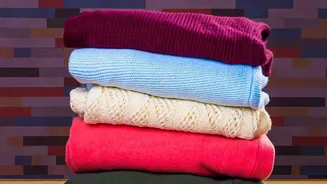
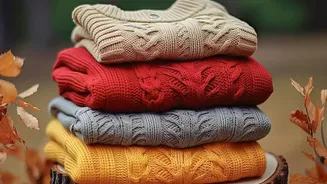
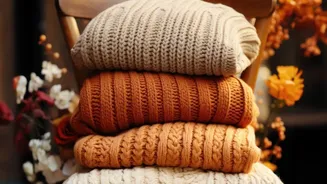
How you dry and store your woollens is just as important as how you wash them. Never wring out a wool garment or put it in a tumble dryer, as both actions cause felting and shrinkage. Instead, gently press out excess water by rolling the item in a clean, dry towel. Then, lay it flat on a fresh towel or a drying rack, reshaping it to its original dimensions. Hanging a wet sweater will cause it to stretch out of shape. When it comes to storage, always clean your woollens before putting them away for the season to deter moths, which are attracted to body oils and food stains. Fold sweaters flat rather than hanging them to prevent the shoulders from stretching.
Managing Unavoidable Pilling
Even with the best care, some pilling is inevitable on natural fibres due to friction during wear. Once those annoying little balls appear, it's best to remove them to keep your garment looking fresh. You can carefully remove them by hand if there are only a few. For more widespread pilling, a sweater comb or a battery-operated fabric shaver is the most effective tool. Lay the garment on a flat surface and gently glide the shaver over the fabric to trim the pills without damaging the knit. Addressing pills as they appear prevents them from getting larger and more enmeshed in the fabric.