
Mechuka, Arunachal Pradesh
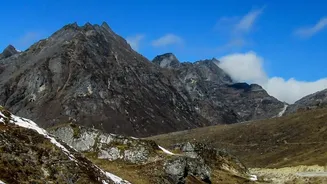
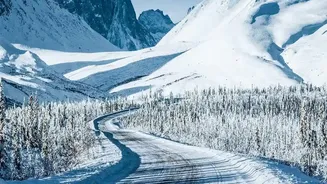
Often called the ‘Forbidden Valley of India’, Mechuka is a remote paradise near the Indo-China border that transforms into a winter wonderland. In early winter, before the heaviest snow arrives, the valley offers a breathtaking canvas of frosted pine
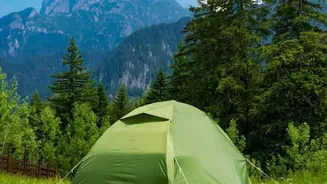
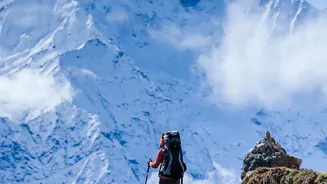
forests, wooden houses, and the tranquil, semi-frozen Siyom River. Camping here is an exercise in solitude. Imagine setting up your tent by the riverside, with vast, snow-covered meadows stretching out before you under a clear, cold sky. The landscape feels almost surreal, like a hidden corner of Tibet. It’s an ideal spot for experienced campers who are prepared for the cold and seek a truly off-grid experience, complete with trekking to ancient monasteries like the 400-year-old Samten Yongcha. The journey itself is an adventure, but the reward is a sense of peace that is increasingly hard to find.
Dzukou Valley, Nagaland-Manipur Border
While famous for its monsoon blossoms, Dzukou Valley offers a different, starker beauty in winter that is perfect for the intrepid camper. The rolling meadows of dwarf bamboo are often covered in a delicate layer of frost, and streams freeze into crystal ribbons. Trekking to the valley via the Viswema route is more manageable and offers stunning panoramic views, though the Jakhama trail is a steeper, more challenging alternative. During winter, nights can be freezing, with temperatures dropping well below zero, so this is an expedition for the well-prepared. You can stay in the basic dormitories at the trekkers' hut or, for a more raw experience, camp in the designated areas or even in natural basalt caves in the valley floor. The reward for braving the cold is a silent, almost alien landscape, free from crowds, where you can watch the sunrise over a frozen world.
Sangti Valley, Arunachal Pradesh
If you desire a gentler winter camping experience without sacrificing beauty, Sangti Valley near Dirang is an excellent choice. This lesser-known valley is a patchwork of pine forests, apple orchards, and the meandering Sangti river. Unlike the high-altitude intensity of other spots, Sangti offers a serene and accessible retreat. Camping here is about enjoying the slow life: riverside picnics, walks through traditional Monpa villages, and waking up to frosty mornings where the entire valley is hushed and peaceful. It's a fantastic spot for birdwatching, as the area is sometimes visited by the rare black-necked crane during winter. While it remains off the main tourist circuit, its accessibility makes it a perfect introduction to the quiet magic of Arunachal's winter landscapes.
Phawngpui National Park, Mizoram
Known as the 'Blue Mountain', Phawngpui is Mizoram's highest peak and the centrepiece of a spectacular national park. The best time to visit is between November and April, making it a prime winter camping destination. The park offers designated camping sites, allowing trekkers to immerse themselves in its rich biodiversity. From the peak, you are rewarded with breathtaking views of cliffs, deep gorges, and clouds that seem to float right at your feet, with the mountain ranges of Myanmar visible in the distance. The experience is less about extreme cold and more about exploring a unique ecosystem of rare flora and fauna, such as the Blyth's tragopan. Camping here requires a permit and a spirit of adventure, promising a rewarding journey into one of Mizoram's most treasured natural landscapes.
Mawphlang, Meghalaya
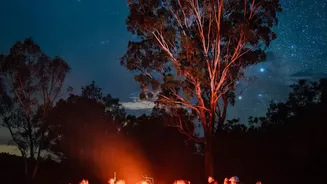
While places like Dawki are popular, the grasslands around Mawphlang offer a more atmospheric and less crowded camping experience in Meghalaya's Khasi Hills. This area is home to one of the most famous sacred groves, an ancient forest protected by traditional beliefs. Camping at the edge of this grove, especially during the clear, crisp nights of winter (October to March), is a profound experience. The post-monsoon landscape is a stunning golden-brown, and the open ridges provide incredible stargazing opportunities. This is mostly wild camping, so you’ll need to carry your own gear or hire a local guide who can arrange equipment and identify the best spots. The reward is a night spent in the heart of Khasi culture and nature, with morning mists filling the valleys below.