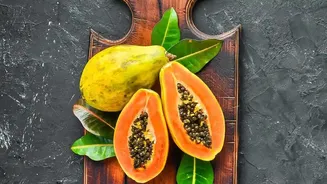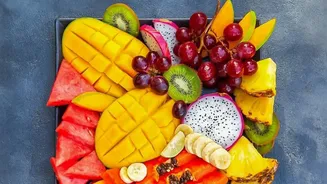






In the kingdom of tropical fruits, mango and papaya are true royalty. Both are delicious, beloved in India, and packed with nutrients. But is one healthier than the other? Let's break down the mango versus papaya debate, one nutrient at a time.
The Nutritional Showdown
When comparing
mango and papaya, it's a tale of different strengths. Per 100 grams, papaya is the lighter option, containing around 43 calories, 11 grams of carbohydrates, and 7.8 grams of sugar. Mango is a bit more energy-dense, with about 60 calories, 15 grams of carbs, and 13.7 grams of sugar for the same serving size. While mango is sweeter and has more calories, the difference is not dramatic. For those watching their sugar intake or on a calorie-controlled diet, papaya has a slight edge. However, both fruits are relatively low in calories and can be enjoyed without guilt.
The Vitamin Verdict
Both fruits are vitamin powerhouses, but they shine in different areas. Papaya is a champion of vitamin C, with a 100-gram serving providing over 60 mg, which is more than what a mango offers. This vitamin is crucial for boosting the immune system and producing collagen for healthy skin. On the other hand, mango is the undisputed king of vitamin A. It's rich in beta-carotene, which the body converts into vitamin A, an essential nutrient for good vision and skin health. Mango also provides more vitamin E and folate, a B-vitamin important for cell growth.
Fibre and Digestive Health
When it comes to digestion, both fruits are fantastic allies. They have very similar amounts of dietary fibre, with about 1.6 to 1.7 grams per 100 grams. Fibre is essential for maintaining a healthy gut, preventing constipation, and can help lower cholesterol levels. Papaya, however, has a secret weapon: an enzyme called papain. Papain is renowned for its ability to help break down proteins, which can ease digestion and reduce bloating, making it a popular choice after a heavy meal. Mangoes also contain digestive enzymes, like amylases, that help break down carbohydrates.
Antioxidants and Other Benefits
Beyond the basic vitamins, mangoes and papayas are loaded with powerful antioxidants that help protect our cells from damage. Mango contains a unique antioxidant called mangiferin, which has been studied for its anti-inflammatory properties. Papaya is rich in lycopene, the same antioxidant found in tomatoes, which is linked to a reduced risk of heart disease and certain cancers. Both fruits provide a good dose of potassium, a mineral that helps regulate blood pressure.
A Note on Glycemic Index
For individuals managing blood sugar levels, the glycemic index (GI) is an important consideration. The GI measures how quickly a food raises blood sugar. Sources vary, but most classify mango as a low-to-medium GI food, with scores ranging from 51 to 59. Papaya's GI is generally considered medium, with scores often cited between 56 and a higher 86 in some studies. This suggests that mango may cause a slower rise in blood sugar compared to papaya, partly due to its specific sugar composition and fibre content. However, portion size is key, and pairing either fruit with a source of protein or fat, like yogurt or nuts, can help blunt the glycemic response.
The Verdict: A Place for Both on Your Plate
So, which fruit is better? The answer truly depends on your individual health goals. If you're looking for a lower-calorie, lower-sugar option with a digestive enzyme boost and a huge dose of vitamin C, papaya is an excellent choice. If you want to prioritise vitamin A for eye and skin health and enjoy a richer, sweeter flavour, then mango is your fruit. Ultimately, there's no need to pick a side. Both mango and papaya offer a wealth of health benefits and can be a delicious part of a balanced diet. The real winner is you, for getting to enjoy both of these incredible tropical fruits.