
The Moon Puts on a Show
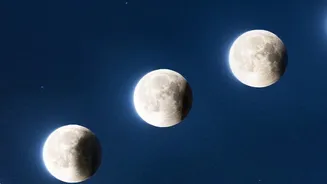
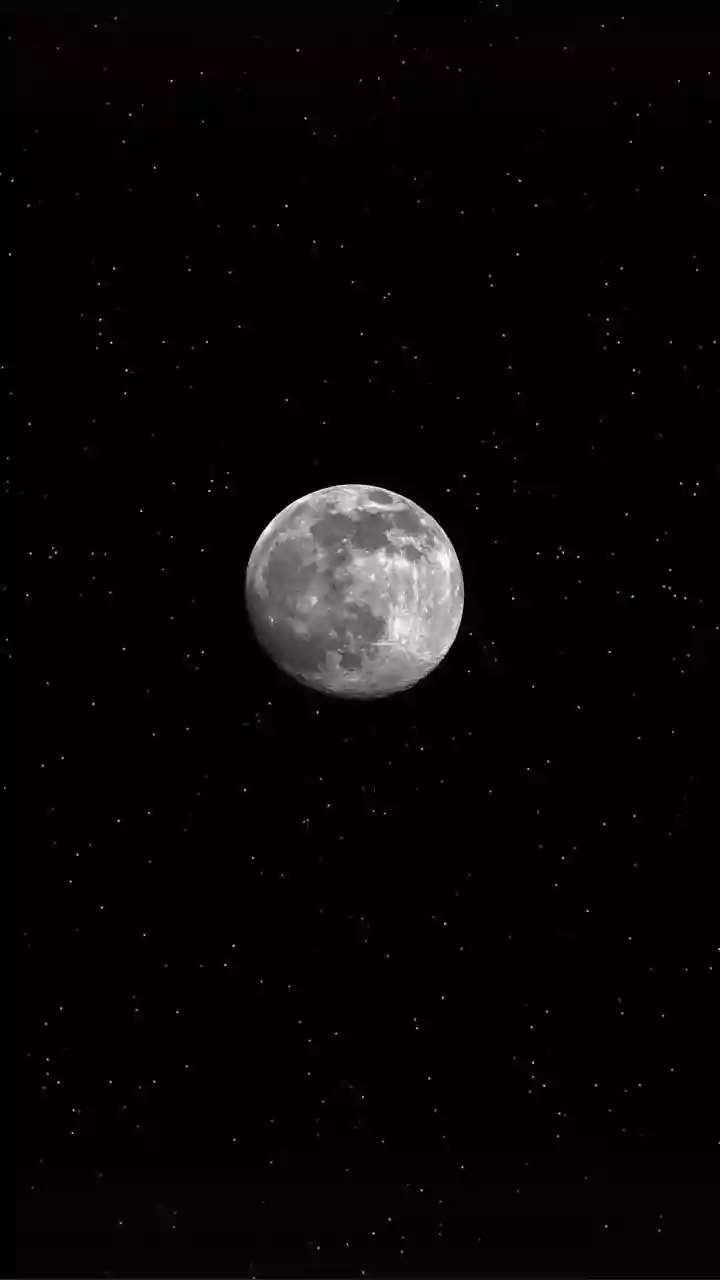
The Moon will be a major feature for the remainder of the month. On August 20th, the Moon reaches its First Quarter, appearing as a perfect half-moon in the evening sky. As the days progress, it will wax towards its full phase. The main event occurs on the night
of August 27-28, when a deep partial lunar eclipse will be visible. During this event, a significant portion of the Moon will pass through Earth's dark shadow, the umbra, which may give the eclipsed part of the lunar surface a reddish, dramatic hue. This is a fantastic opportunity to watch the mechanics of our solar system in real-time, no special equipment needed, though binoculars will enhance the view.
Planetary Parade in the Evening
Several planets are putting on a fine display. Brilliant Venus is an unmissable beacon in the western sky shortly after sunset. But the real star for the rest of the month is Saturn. The ringed planet is becoming increasingly prominent as it heads towards its opposition in early October. Look for it rising in the east as evening progresses. On the nights of August 29th and 30th, the nearly-full Moon will pass close to Saturn, making the golden-hued planet exceptionally easy to locate. While its famous rings are only visible through a telescope, its steady, bright light is a beautiful sight for the naked eye.
The Summer Triangle and the Milky Way
High overhead in the evening sky, you can find one of the most recognisable patterns of the season: the Summer Triangle. This is not a constellation but an asterism, formed by three bright stars from three different constellations. These are Vega (in Lyra, the harp), Deneb (in Cygnus, the swan), and Altair (in Aquila, the eagle). Using the Summer Triangle as a guide, you can trace the path of the Milky Way, which arches across the sky from the south-southwest to the north-northeast. If you can get away from city lights, the end of August provides a spectacular view of our galaxy's dense, glowing core. Look for the 'Great Rift,' a dark lane of cosmic dust that appears to split the Milky Way in two.
Catch the Last of a Meteor Shower
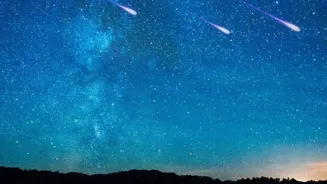
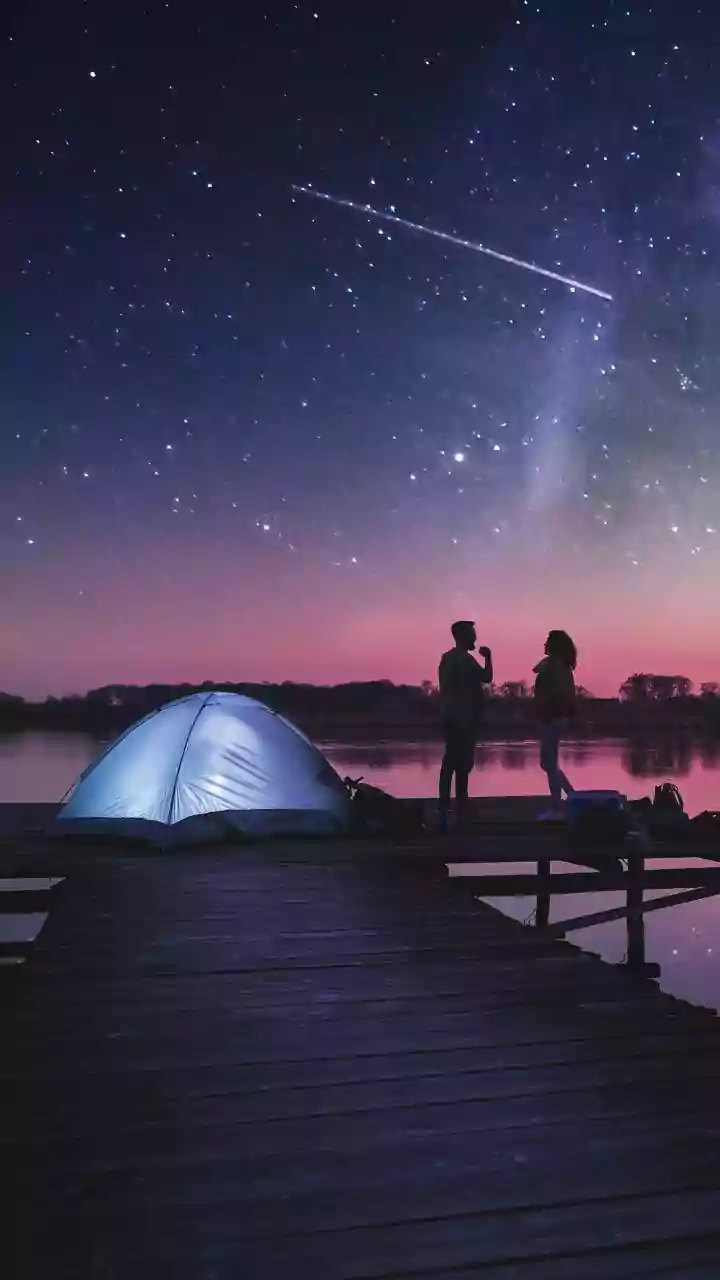
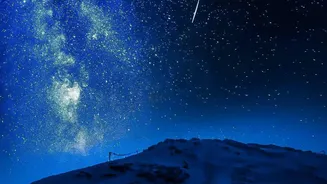
While the famous Perseid meteor shower peaked earlier in the month, you might still catch a few stray shooting stars. A much quieter shower, the Kappa Cygnids, remains active until about August 28th. This shower is known not for its high numbers, but for producing occasional bright, slow-moving fireballs. The best time to look is after midnight, facing the general direction of the constellation Cygnus, the swan, which is high in the sky. With the Moon getting brighter towards the end of the month, the best chances to see these faint meteors are in the days immediately following August 19th.
Tips for the Best Viewing Experience
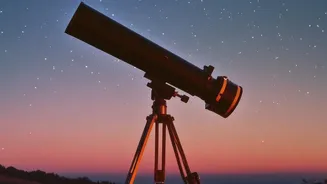
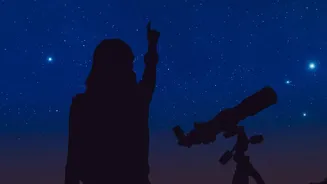
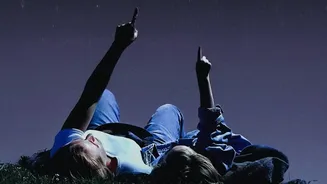
To make the most of these celestial sights, find a location away from the glare of city lights. Places like the Rann of Kutch, Hanle in Ladakh, or even the hills around Coorg are renowned dark-sky spots, but any area with minimal light pollution will dramatically improve your view. Give your eyes at least 15-20 minutes to fully adapt to the darkness; this means putting away your phone. You don't need a telescope for most of these events. A comfortable chair, a pair of binoculars, and a bit of patience are all you require to enjoy the cosmic display.