


From Green Decor to Living Ecosystems
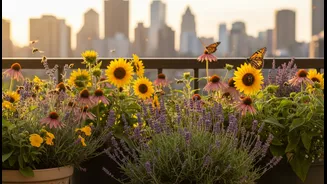
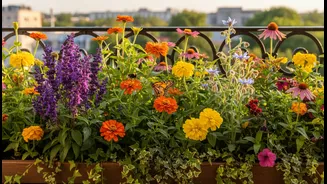
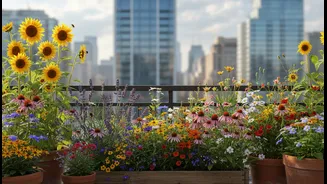
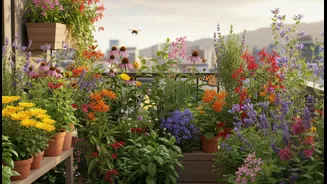
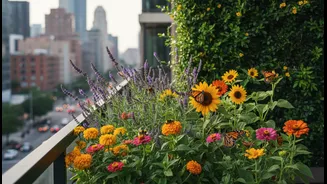
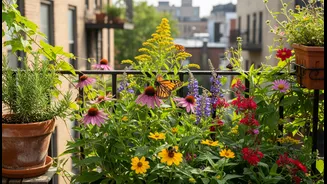
For years, urban gardening was about aesthetics—a splash of green to soften concrete jungles. But a new, more purposeful trend is blossoming. City dwellers are now consciously curating 'pollinator balconies' and terraces. This involves choosing specific
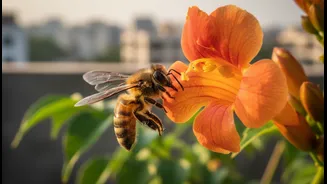
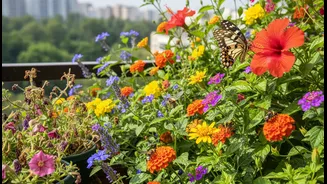
flowers and herbs not just for their beauty, but for their ability to attract and sustain bees, butterflies, and other beneficial insects. This shift reflects a growing awareness of the crucial role pollinators play. With urbanisation leading to habitat loss, our balconies and windowsills can become crucial lifelines, forming a network of mini-refuges for these essential creatures. This approach adds more than just colour; it brings a dynamic sense of life and biodiversity right to your doorstep.
Why Our Cities Need Pollinators
Pollinators are the unsung heroes of our ecosystem. Globally, about 75% of food crops depend on them, and they are responsible for the survival of nearly 90% of wild flowering plants. In cities, their work is even more critical. They help sustain the green patches in neighbourhood parks, support the growth of trees that improve air quality, and ensure that local vegetable gardens are productive. However, pollinator populations are declining due to habitat loss and the widespread use of pesticides. Urban areas can surprisingly act as safe havens, offering diverse food sources away from agricultural chemicals. By creating a pollinator-friendly garden, no matter how small, you are directly contributing to local biodiversity and the overall health of your city's environment.
Your Guide to Starting a Pollinator Balcony
Creating your own pollinator haven is easier than you think. Start by selecting a variety of plants that flower at different times of the year to provide a continuous food source. Grouping plants of the same species together makes it easier for pollinators to spot them and forage efficiently. A shallow dish of water with pebbles or marbles provides a safe place for insects to drink without drowning. Perhaps the most important step is to avoid chemical pesticides and herbicides, which are harmful to pollinators. Opt for natural pest control methods like using neem oil or planting pest-repelling companion plants, such as marigolds. Even a few well-chosen pots can make a significant difference.
Top Plants for an Indian Pollinator Garden
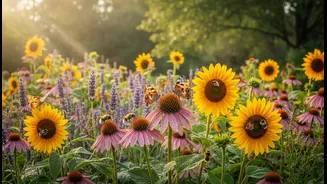
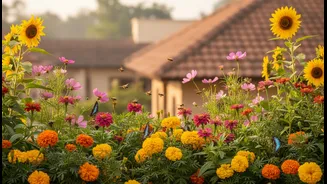
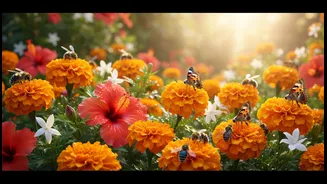
Choosing the right plants is key. Thankfully, many flowers that thrive in Indian climates are magnets for pollinators. Marigolds (Genda) are a perfect choice; their bright yellow and orange blooms are nectar-rich and they are famously low-maintenance. Sunflowers, with their large, pollen-filled centres, are a favourite for bees. Fragrant flowers like Jasmine (Mogra) attract pollinators with their sweet scent. Don't forget herbs! Holy Basil (Tulsi) is not only a staple in Indian households but its small flowers are a huge hit with bees and butterflies. Other excellent options include the vibrant Hibiscus, hardy Lantana, and the delicate Butterfly Pea (Aparajita), which is a fast-growing climber perfect for balcony railings.
Thinking Beyond Flowers
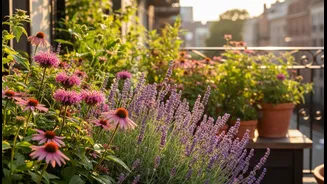
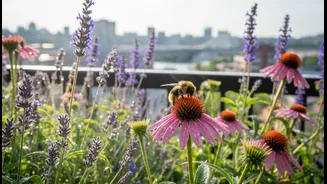
A truly effective pollinator garden offers more than just food. It also provides shelter and nesting sites. You can help by leaving a small patch of bare soil in a pot for ground-nesting bees or by adding an 'insect hotel' made from a block of wood with holes drilled into it. These structures give solitary bees a safe place to lay their eggs. Providing a variety of flower shapes—from the open petals of a Cosmos to the tubular flowers of a Lavender—will attract a wider range of pollinators, each with their own preferences. By thinking about the complete life cycle of these creatures, you can create a truly sustainable and supportive environment.