



The Post-Festive Mawa Mountain
Every Indian household is familiar with the post-Diwali or Holi clean-up. The decorations come down, but the sweets and their core ingredients linger. Mawa, or khoya, is central to countless traditional mithai, from gulab jamun to barfi. It's made by
slowly simmering full-fat milk until only the rich milk solids remain, resulting in a dense, creamy base for desserts. Because festivals demand large batches of sweets, it's common to have a sizeable block of mawa left over. The dilemma is its short lifespan; fresh mawa lasts only a few days in the refrigerator. This used to mean a race against time to prepare yet another rich, festive sweet before it spoiled. But now, a wave of culinary creativity is sweeping Indian kitchens, transforming this festive leftover into a versatile ingredient for daily meals.
From Tradition to Everyday Trend
The modern Indian home cook is driven by a blend of resourcefulness, a desire for convenience, and a love for experimentation. Instead of seeing leftover mawa as an obligation to make more heavy mithai, they see it as an opportunity. This shift is about more than just avoiding waste; it's about re-imagining a traditional ingredient in a contemporary context. Why make another complicated sweet when you can elevate your morning breakfast or whip up a ten-minute dessert? This new approach infuses everyday dishes with a touch of festive richness, making ordinary meals feel a little more special without the intensive labour of traditional festival cooking.
Morning Mawa Magic
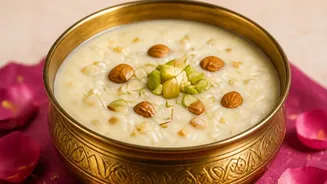
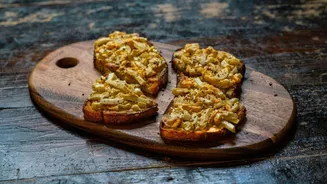
One of the most innovative trends is incorporating mawa into breakfast. Imagine a paratha, not stuffed with the usual potatoes or cauliflower, but with a sweet, crumbly mixture of mawa and nuts. Some cooks are grating mawa over a simple piece of toast, sometimes with a sprinkle of sugar and cardamom, and grilling it for a few minutes to create a decadent 'mawa toast'. Others are stirring crumbled mawa into their morning oatmeal or porridge, giving it a creamy texture and a rich, milky flavour that is both comforting and luxurious. It's a simple, quick way to add a protein and flavour boost to the first meal of the day, proving that indulgence doesn't have to be reserved for the evening.
The Ten-Minute Mithai
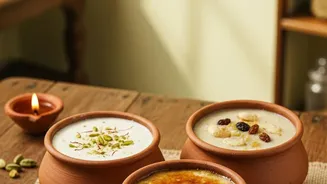
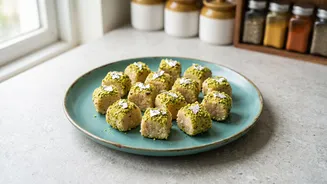
The desire for quick, easy desserts has led to a host of 'ten-minute mithai' ideas. Instead of slow-cooking barfi, home cooks are creating quick mawa pedas by simply roasting crumbled mawa with a bit of sugar and cardamom until it forms a soft dough, which is then shaped. Another popular creation is instant mawa ladoos, where mawa is mixed with desiccated coconut, powdered sugar, and nuts, then rolled into balls. For a more modern twist, some are creating no-bake mawa cheesecakes in a jar or mawa-infused fruit crumbles. You can even create simple mawa truffles by mixing it with cocoa powder and rolling them in nuts or sprinkles.
Savory Surprises with Khoya
Perhaps the most surprising innovation is the use of mawa in savoury dishes. While historically used in some Mughal-era recipes, it's now finding its way into everyday curries. Adding a small amount of unsweetened mawa to a tomato-based gravy for dishes like shahi paneer or matar makhana creates an incredible creaminess and richness without relying on heavy cream or a large quantity of nuts. It dissolves into the sauce, lending a subtle sweetness that balances the spices beautifully. Some cooks are even using it as a binder in vegetable koftas or stuffed tikkis, giving the final dish a meltinyourmouth texture that is hard to achieve otherwise.
Making Your Mawa Last
To fuel this yearround creativity, proper storage is key. Fresh mawa will only last for about three days in the fridge. For longer storage, the freezer is your best friend. To freeze, crumble the mawa or grate it, spread it on a tray, and freeze until solid. Then, transfer the frozen crumbles to a ziptop bag or airtight container. This allows you to take out just the amount you need. Frozen mawa can last for several months. Before using, simply let it thaw at room temperature for about 1520 minutes. This simple step ensures you always have a secret weapon on hand to make any meal a little richer and more delicious.