



The Spiritual Heart of the Fast
Fasting on Janmashtami, known as a 'vrat', is a spiritual practice designed to cleanse the body and mind, allowing devotees to focus their thoughts on Lord Krishna. The fast begins at sunrise on Janmashtami day. There are primarily two kinds of fasts.
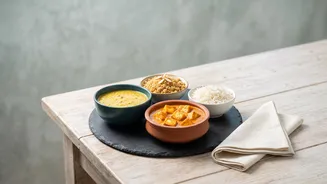
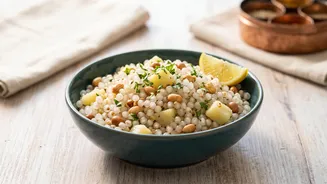
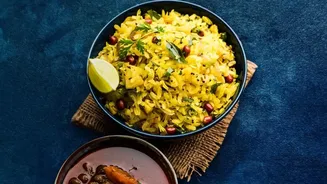
The strictest is the 'Nirjala' fast, where devotees abstain from both food and water. A more common observance is the 'Phalahar' fast, where fruits, milk products, and specific fasting-friendly foods like sabudana and makhana are permitted. Grains, lentils, regular salt, onion, and garlic are avoided. The core idea is not hardship, but to maintain a sattvic or pure state in preparation for the divine birth at midnight.
The Midnight Hour: Nishita Kaal Puja
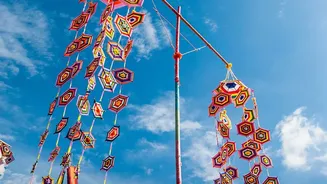
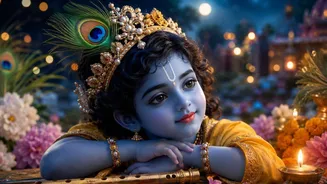
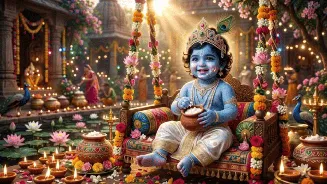
The most sacred moment of Janmashtami is the birth of Lord Krishna, believed to have occurred at midnight. This period is known as Nishita Kaal. In 2026, the main Janmashtami day is September 4th. The Nishita Puja time, when the central worship takes place, is a specific window of about 45 minutes around midnight. For example, in New Delhi, this muhurat is from approximately 11:57 PM on September 4th to 12:43 AM on September 5th. During this time, the idol of baby Krishna is bathed (abhishek), dressed in new clothes, placed in a cradle, and offered bhog. This puja marks the climax of the day's devotion.
The Role of the Stars: Rohini Nakshatra
Another crucial element is the Rohini Nakshatra, Lord Krishna's birth star. According to Hindu astrology, the alignment of the stars at the time of birth is deeply significant. For Janmashtami, the fast is traditionally considered complete only after both the Ashtami Tithi (the eighth day of the lunar month) and the Rohini Nakshatra have passed. In 2026, the Rohini Nakshatra is present for most of the day on September 4th, ending around 11:04 PM. The coincidence of Ashtami Tithi and Rohini Nakshatra makes the day especially auspicious.
Parana: The Ritual of Breaking the Fast
Parana is the ritual of breaking the fast. This is where traditions diverge, leading to the main question of when to eat. According to scriptures like the Dharma Shastra, the fast should be broken the next day after sunrise, once both Ashtami Tithi and Rohini Nakshatra are over. For 2026, this would mean breaking the fast on the morning of September 5th, after sunrise (around 6:02 AM). This is the most traditional and scripturally advised method. It ensures that the entire period of Lord Krishna's birth, including all astrological alignments, has been honoured.
Common Practice and Family Traditions
While the scriptures point to the next morning, a very common and accepted practice is to break the fast after the midnight Nishita Puja is complete. After the aarti is sung and prasad is offered to Lord Krishna, many families will consume this prasad to break their fast. This could be sometime after 12:43 AM on September 5th. This practice is born of the joyous culmination of the birth celebration. Ultimately, there is no single 'wrong' way. The choice between breaking the fast at midnight or the next morning often comes down to family tradition, community practice, and personal conviction.
First Foods After Fasting
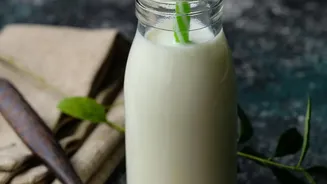
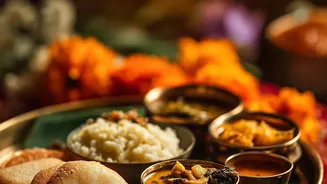
Breaking the fast should be a gentle process. The first thing consumed is usually the 'prasad' offered during the puja, which often includes Panchamrit (a mix of milk, curd, ghee, honey, and sugar) and Panjiri. It is advisable to start with light foods. Fruits, milk, lassi, or a simple sabudana kheer are excellent choices to reintroduce food to your system after a day of fasting. Avoid jumping straight into a heavy, greasy meal, as it can be a shock to the digestive system. The focus remains on sattvic foods that are easy to digest.