



Understanding Complete Proteins
Proteins are constructed from building blocks called amino acids. There are 20 different amino acids, but nine of them are considered 'essential' because our bodies cannot produce them. We must get these nine essential amino acids—histidine, isoleucine,
leucine, lysine, methionine, phenylalanine, threonine, tryptophan, and valine—from the food we eat. A food source that contains all nine of these in sufficient amounts is called a 'complete protein'. While animal products like meat, eggs, and dairy are all complete proteins, most plant-based foods are 'incomplete', meaning they are low in one or more essential amino acids.
The Grain and Legume Partnership
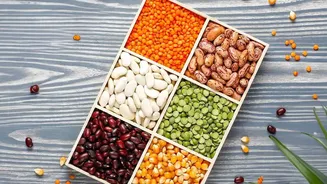
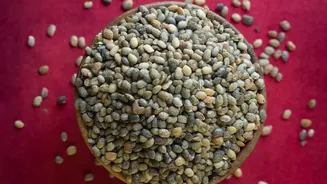
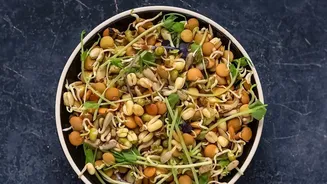
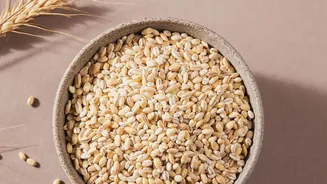
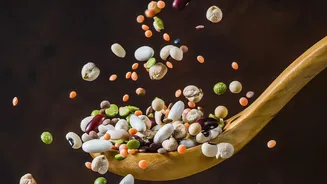
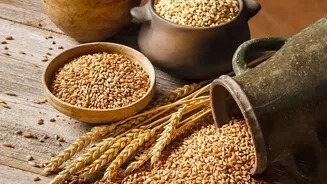
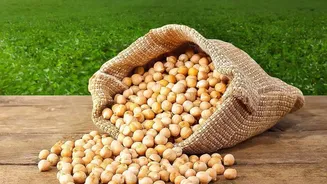
This is where the classic food pairing strategy comes in. Grains (like rice, wheat, and corn) and legumes (like beans, lentils, and chickpeas) have complementary amino acid profiles. Grains are typically low in the essential amino acid lysine but have plenty of methionine. Legumes, on the other hand, are rich in lysine but low in methionine. When you eat them together, their individual weaknesses are cancelled out, and they collectively provide all nine essential amino acids, forming a complete protein. This is why combinations like beans and rice are staples in cuisines around the world.
A Modern View: Relax the Rules
For decades, the popular advice was that you had to combine these complementary proteins in the very same meal to get the benefit. This idea, popularized in the 1970s, has since been updated by the nutrition community. Modern research shows that our bodies maintain a temporary reserve, or 'pool', of amino acids. This means you don't need to stress about perfect pairing at every single meal. As long as you eat a variety of plant-based protein sources throughout the day, your body can pull the necessary amino acids from this pool to build the complete proteins it needs. The focus should be on your total daily intake, not on micromanaging each plate.
Classic Combinations for Your Meal Plan
Even though meal-by-meal combining isn't strictly necessary, it's still a simple and effective way to structure nutritious meals. These classic pairings are not only delicious but also guarantee you're getting a fantastic amino acid profile in one sitting: Dal and Rice: A cornerstone of Indian cuisine, the lentils in dal provide the lysine that rice lacks. Beans and Corn Tortillas: This staple of Mexican food is a perfect protein match. Hummus and Pita Bread: The chickpeas in hummus complement the whole wheat in pita bread beautifully. Peanut Butter on Whole-Grain Toast: A simple breakfast or snack that delivers a complete protein punch. * Lentil Soup with a Slice of Bread: A comforting and nutritionally complete meal.
Beyond Grains and Legumes
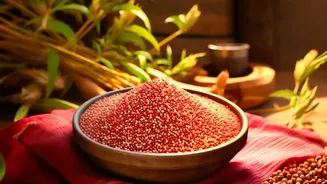
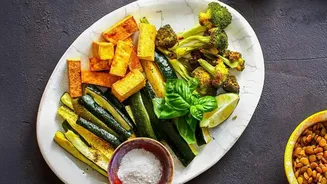
Don't forget that some plant-based foods are complete proteins all on their own. Quinoa, soy products (like tofu, tempeh, and edamame), buckwheat, hemp seeds, and chia seeds contain all nine essential amino acids. Incorporating these powerhouse foods into your diet makes meeting your protein needs even easier. You can also create complete proteins by pairing legumes with nuts and seeds. A salad with chickpeas and sunflower seeds, for example, is a great option. The key takeaway is variety. The more diverse your plant sources, the more likely you are to cover all your nutritional bases without even trying.