




What is Enrichment, Really?
Animal enrichment is the process of enhancing an environment to provide the stimulation needed for psychological and physiological well-being. The goal is to encourage natural behaviors that the animal would perform in the wild, from foraging and hunting
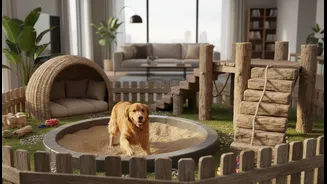
to playing and exploring. This isn't just about preventing boredom; it's a critical component of animal welfare that boosts mental health, encourages physical activity, and reduces stress. Enrichment isn't limited to zoos. For our pets at home, it can come in five main forms: cognitive (like puzzle toys), sensory (new smells or sounds), physical habitat (a new climbing tree or digging box), food-based (like scattering kibble to encourage foraging), and social interaction. By providing these outlets, we give them a sense of control and purpose.
The Fine Line Between Fun and Fear
The intention behind enrichment is always positive, but the execution can sometimes miss the mark. An activity that we perceive as fun can be a source of significant stress for an animal if it's too intense, too loud, or doesn't allow for escape. Over-stimulation can trigger a fear response, pushing an animal into a state of anxiety. For example, a chaotic dog park might seem like great social enrichment, but for a nervous dog, it can be an overwhelming flood of triggers. A remote-controlled mouse might seem perfect for a cat, but if it's too aggressive and the cat can't 'win,' it can lead to frustration and fear, not play. The key difference is choice. Good enrichment allows an animal to engage or disengage at will. When an animal feels trapped or forced into an interaction, the activity ceases to be beneficial and becomes a stressor.
Red Flags: Spotting an Overwhelmed Animal
Animals communicate stress through their body language, but their signals can be subtle. It's crucial to learn your pet's specific cues. For dogs, signs of stress can include a tucked tail, flattened ears, excessive lip licking, yawning when not tired, and panting without exertion. A stressed dog might also show avoidance behaviors like hiding or becoming suddenly restless. Cats often show stress in more subtle ways, such as over-grooming, hiding, changes in litter box habits, or sudden aggression. Other physical indicators for both can include trembling, dilated pupils, a rigid posture, or a refusal to eat. Recognizing these signs early allows you to stop the activity and reassess, preventing the experience from becoming a negative one.
Good Enrichment: Choice and Control are Key
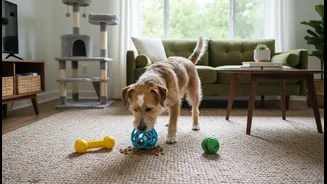
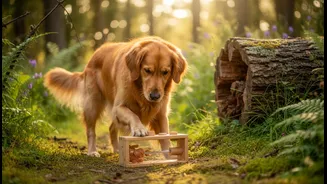
The most successful enrichment gives an animal a sense of agency. Instead of activities that happen to them, focus on those they can control. Foraging is a perfect example. Hiding food in a snuffle mat or a puzzle toy allows a dog or cat to use their natural instincts to sniff, paw, and problem-solve at their own pace. They can walk away and come back later. This is fundamentally different from a loud, unpredictable toy that they can't turn off. Another powerful form of choice-based enrichment is the "sniffari," where you let your dog lead the walk, stopping to sniff whatever interests them for as long as they want. This simple shift turns a walk from a forced march into a sensory exploration that is mentally tiring in the best way possible. The goal is to create opportunities, not obligations.
Practical Swaps: From Stressful to Successful
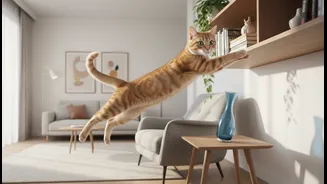
Making your enrichment efforts more effective often involves small, thoughtful changes. Instead of a loud, automated laser pointer that can cause obsessive behaviors in cats, try a feather wand that you control, allowing them to complete the 'hunt' by catching it. Rather than assuming your dog loves the dog park, try a structured one-on-one playdate with a known, compatible dog. Swap the food bowl for a puzzle feeder or a snuffle mat to turn mealtime into a 10-minute brain game. For a shy cat, instead of introducing them to a house full of strangers, give them a paper bag or cardboard box to explore in a quiet room. These simple, low-cost options provide immense mental stimulation without the risk of overwhelming your pet. Always supervise your pet with a new toy or activity to ensure it's safe and enjoyable for them.