





Why Seasonal Is Always Sweeter on the Wallet
There's a simple reason why seasonal fruits are cheaper: supply and demand. When a fruit is in season, it's abundant and available locally. This means farmers have a surplus, and the costs associated with transportation and storage are significantly lower.
Fruits that are harvested at their natural peak don't need artificial ripening or long-distance shipping, which adds to their cost. The result is a fresher, more nutritious, and tastier fruit that's also more affordable for you. Eating seasonally is a win-win, supporting local farmers and ensuring you get the best quality for your money.
Jamun: The Tart Monsoon Superfruit
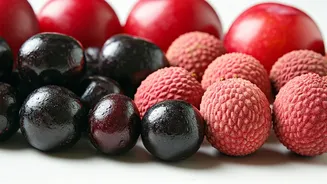
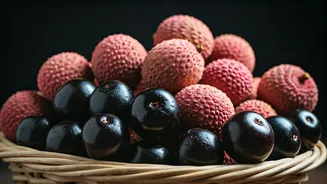
As the rains begin, markets get flooded with the deep purple glow of Jamun, also known as black plum. This fruit, available from June to September, is a monsoon favourite for its unique sweet and tart flavour. Jamuns are considered a superfruit, packed with Vitamin C, iron, and potassium. Traditionally used in Indian households, they are celebrated for their health benefits, which include aiding digestion and boosting immunity, both of which can be challenged during the humid monsoon season. They are also known for their low glycemic index, making them a good choice for those monitoring their blood sugar. When buying, look for plump, dark purple fruits with smooth skin. Enjoy them fresh with a sprinkle of black salt for a classic snack.
Litchi: The Sweet and Juicy Jewel
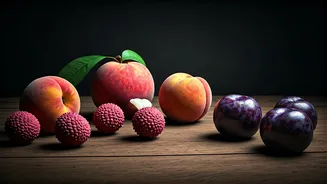
The short but glorious litchi season, which often peaks from May into the early monsoon, is a time of pure delight. These small, red-skinned fruits contain a translucent, juicy pulp that is incredibly sweet and fragrant. Litchis are an excellent source of Vitamin C, even more so than many citrus fruits, which is essential for fending off common colds and infections that are prevalent during the rainy season. They are also rich in antioxidants and fibre, which can help reduce inflammation and support digestive health. Look for litchis with bright, reddish-pink skin that is firm to the touch. Avoid ones with cracked or dull skin, as they may be past their prime.
Peaches: The Fuzzy, Fragrant Treat
Peaches, with their fuzzy skin and sweet, fragrant flesh, arrive from the hill states during the monsoon months. These stone fruits are not just delicious but also packed with antioxidants that help fight off seasonal flu and colds. Rich in vitamins and minerals, they are great for skin health, helping to keep it hydrated and glowing despite the humidity. Peaches also contribute to good digestion and can help reduce inflammation in the body. To pick a ripe peach, gently press the fruit; it should have a slight give but not be mushy. A fragrant aroma is also a tell-tale sign of a perfectly ripe peach.
Plums: The Sweet and Sour All-Rounder
Along with peaches, fresh Indian plums make their appearance during the monsoon. These small, often dark-coloured fruits offer a wonderful balance of sweet and sour flavours. Plums are loaded with dietary fibre, making them an excellent natural remedy for digestive issues that can crop up during this season. They are also a good source of vitamins C and K, potassium, and antioxidants that strengthen the immune system against seasonal bugs. Their natural compounds may also help in managing blood sugar levels and reducing inflammation. When selecting plums, choose ones that are firm but yield to gentle pressure.
Cherries: A Burst of Sweetness
Available in abundance during the rainy season, cherries are a delightful and healthy indulgence. These small, vibrant red fruits are packed with antioxidants and anti-inflammatory compounds, which can help the body fend off infections. They are a delicious way to boost your intake of essential nutrients that support overall wellness during the monsoon. Cherries can be enjoyed raw as a snack, or used in various desserts and jams. Look for cherries that are plump, firm, and have a deep, rich colour. Fresh cherries with their stems intact will typically last longer.