




For Soft and Hearty Rotis
When it comes to making rotis or bhakris, the three most popular choices are Jowar, Bajra, and Ragi. Jowar (sorghum) is often recommended for beginners because it has a mild, slightly sweet taste and the flour is relatively easy to handle, resulting in a soft
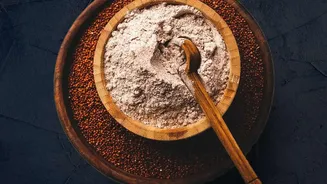
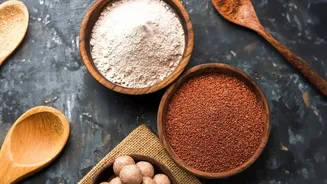
roti. It's a staple in states like Maharashtra. Bajra (pearl millet) creates a denser, more earthy-flavoured roti that is very popular in Rajasthan and Gujarat. It’s considered a warming grain, making it perfect for winter months. Ragi (finger millet) can also be used for rotis, which will have a distinctive dark colour and nutty taste. While all millet flours are gluten-free, using warm water while kneading is a key trick to making the dough more pliable.
For Creamy, Nourishing Porridge
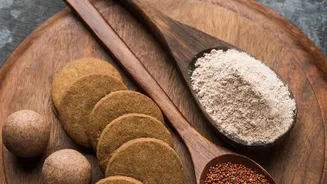
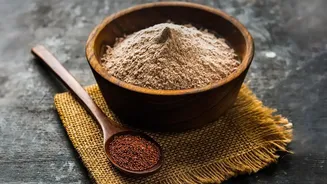
For a wholesome porridge (kanji), Ragi (finger millet) is the undisputed champion. Its flour cooks down into a smooth, creamy texture, making it a traditional choice for everyone from young children to the elderly. It can be prepared sweet with jaggery and milk or savoury with buttermilk and spices. Foxtail millet is another excellent option for porridge, offering a lighter, milder, and slightly sweet flavour that many find very easy to enjoy daily. For a more filling and warming winter breakfast, Bajra porridge is a fantastic choice, known for being the most hearty of the millet porridges. Barnyard millet also works well for a very light and neutral-tasting porridge.
For Savoury Upma and Khichdi
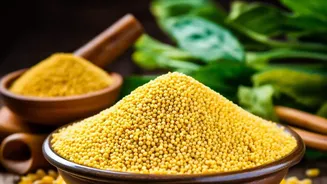
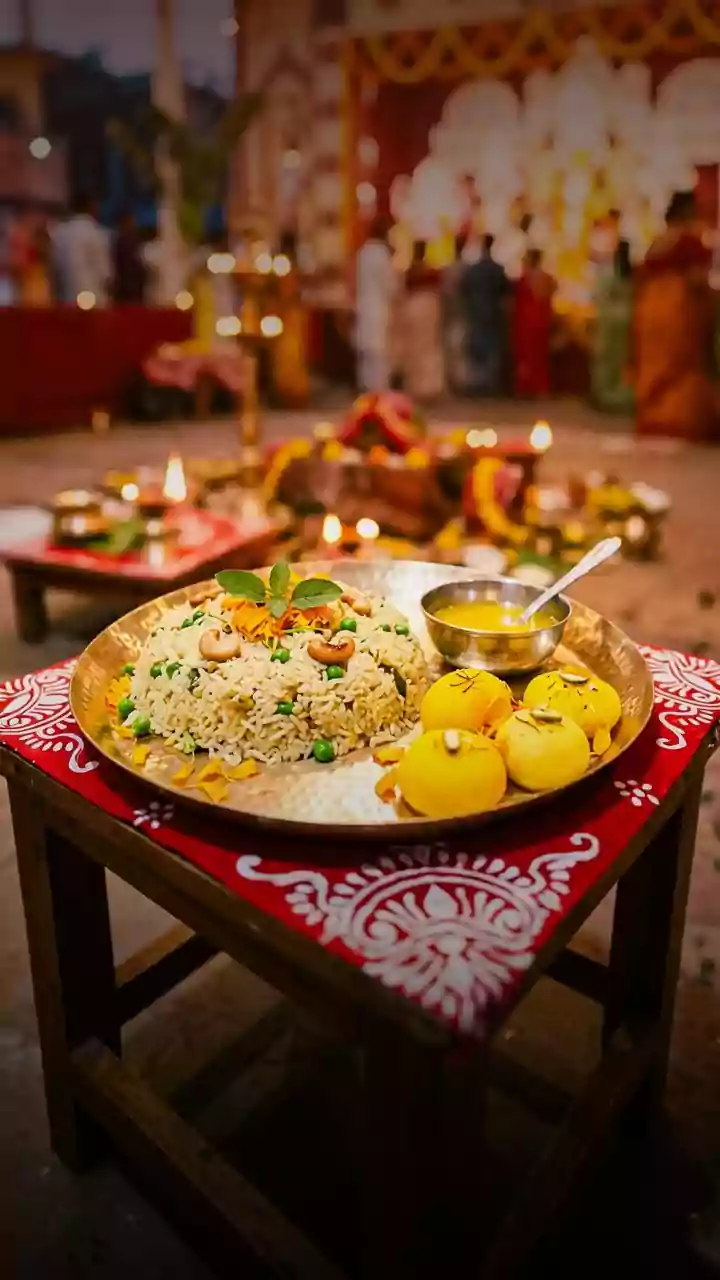
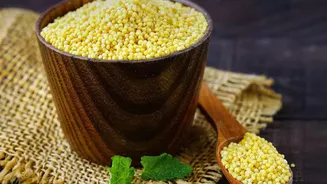
For savoury dishes where you want the grain to act as a rice substitute, the smaller millets are your best bet. Foxtail millet (kangni/thinai) is a great all-rounder, cooking up light and fluffy. Its texture is the closest to rice, making it a safe starting point for dishes like lemon millet, pulao, and upma. Barnyard millet (sanwa/kuthiraivali) is another top contender, especially for khichdi. It cooks quickly into a soft, fluffy texture that is very light and easy to digest. It's also the grain of choice for fasting days (vrat ke chawal). Little millet (samai) has a slightly stickier texture when cooked, which works wonderfully for dishes like pongal or any preparation where you want the grains to hold together a bit more.
A Quick Guide to Other Uses
Millets are incredibly versatile beyond these main categories. Kodo millet has a firmer bite and holds its shape well, making it ideal for biryani-style dishes where you want distinct, separate grains. Proso millet, with its mild flavour, is great for pilafs and grain bowls where you want other ingredients to be the star. When starting out, it's often best to choose a millet based on a dish your family already loves. If you enjoy rice-based dishes, try Foxtail or Barnyard millet. If rotis are a daily staple, start with Jowar flour. This approach makes it easier to introduce these nutritious grains into your regular meal rotation without feeling overwhelmed.