






The Problem with Damp Paws
During the rainy season, your dog’s paws are constantly exposed to water, mud, and environmental contaminants. When paws remain damp for extended periods, the warm, moist environment between the toes and in the nail beds becomes an ideal habitat for fungi
and bacteria to multiply. This can lead to painful conditions like yeast dermatitis or other secondary infections, causing irritation, itching, and discomfort for your pet. The key to prevention is breaking this cycle of moisture immediately after every single walk.
Step 1: Wipe and Clean After Every Walk
The most critical habit to adopt during the monsoon is to clean your dog’s paws the moment you return home. For most walks, a thorough wipe-down with a soft, absorbent towel or pet-safe wipes is sufficient. Be sure to gently clean between the paw pads and toes, as this is where mud and moisture love to hide. For exceptionally muddy adventures, a quick rinse with lukewarm water is recommended. You can use a mild, dog-friendly cleanser or shampoo, but be sure to rinse it off completely to avoid irritation.
Step 2: Dry Thoroughly, Especially Between Toes
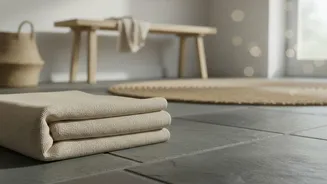
Cleaning is only half the battle; drying is arguably the most important step in preventing fungal growth. Trapped moisture is the primary culprit behind most paw infections. Use a dedicated, clean microfiber towel to meticulously dry each paw. Pay extra attention to the spaces between the toes and around the nail beds. For dogs with thick coats or long fur, a hairdryer on its coolest setting can be a great tool to ensure the area is completely dry. Never let your dog’s paws stay damp.
Step 3: Conduct Regular Paw Inspections
Make it a routine to inspect your dog's paws daily, preferably during your post-walk cleaning. Look for any signs of trouble, such as redness, swelling, or excessive licking of the area. Also check for small cuts, debris, or any unusual odors. A musty or yeasty smell, often compared to corn chips, can be an early indicator of a fungal issue. Trimming the excess fur from between the paw pads can also help, as it reduces the surface area for mud and water to cling to.
Optional Preventative Care
For added protection, you can incorporate certain safe practices into your routine. Applying a thin layer of a paw balm or wax before a walk can create a protective barrier against moisture. Some owners find success with occasional preventative soaks. A heavily diluted apple cider vinegar solution (one part vinegar to two parts water) has mild antifungal properties. You can soak the paws for about five minutes, but be sure to dry them completely afterward and never use this on raw or broken skin.
When to See a Veterinarian
While preventative care is effective, it’s crucial to know when professional help is needed. If you notice persistent symptoms like intense itching, constant licking or chewing, hair loss, inflamed red skin, or a strong, unpleasant odor from the paws, it's time to consult your vet. These are signs that an infection may have already taken hold. Self-treating an established infection can often make it worse. Your vet can accurately diagnose the issue—whether it's fungal, bacterial, or allergy-related—and prescribe the appropriate treatment, which may include medicated wipes, shampoos, or oral medications.