


Consult Your Doctor First
Before any trip, a pre-travel consultation with your doctor is crucial, ideally 6-8 weeks before you depart. This is especially important if you have pre-existing conditions like asthma, respiratory issues, or severe allergies, which can be triggered
by dust and dry air. Discuss your itinerary and ask for advice on managing your health in a remote, dusty environment. Your doctor can assess your fitness, adjust medications, and advise on necessary vaccinations for the region you're visiting. India is considered a high-risk country for rabies, and other vaccinations for tetanus, typhoid, and hepatitis A are often recommended.
Prioritise Respiratory Protection
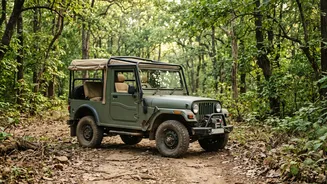
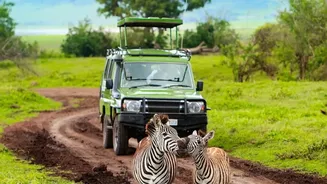
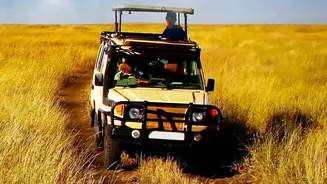
Dust kicked up by safari vehicles is a primary concern. Inhaling fine particulate matter can irritate your respiratory system, trigger allergies, or worsen asthma. The simplest and most effective precaution is to pack respiratory protection. A high-quality N95 or N99 disposable mask will filter out most airborne particles. Alternatively, a reusable half-face respirator with replaceable filters offers excellent protection. Even a simple bandana or scarf can provide a basic barrier during dusty drives and is easy to pack. Using these, especially when another vehicle passes, will significantly improve your comfort.
Safeguard Your Eyes and Skin
Dust doesn't just affect your lungs; it's a major irritant for eyes and skin. Airborne particles can cause redness, itching, burning sensations, and dryness. The best defence is a pair of well-fitting sunglasses that wrap around your eyes to block dust from the sides. Pack lubricating eye drops (artificial tears) to help flush out any grit and soothe irritation. Avoid rubbing your eyes, as this can cause scratches on the cornea. For your skin, the dry, dusty air can lead to dehydration and chapping, so bring a nourishing moisturiser and lip balm.
Pack a Comprehensive First-Aid Kit
While safari lodges may have basic medical supplies, it's essential to be self-sufficient, as the nearest pharmacy or doctor can be hours away. Your personal kit should go beyond basic plasters. Include antihistamines for allergic reactions, pain relievers, antiseptic wipes, gauze, and any personal prescription medications. Given the environment, also consider adding medication for diarrhoea and nausea. If you take chronic medication, pack double the amount you need for the trip and keep it in your carry-on luggage, along with a doctor's prescription.
Stay Hydrated and Eat Wisely
The dry air on a safari can dehydrate you faster than you realise. Make it a point to drink plenty of water throughout the day. Most safari camps provide filtered or bottled water; always use this for drinking and brushing your teeth. When it comes to food, hygiene standards at reputable safari lodges and hotels have improved significantly. However, it's still wise to be cautious. A general rule for travel in India is to avoid raw vegetables and fruits that you have not peeled yourself. Stick to freshly cooked hot meals, and be wary of food from roadside stalls.
Don't Forget Sun and Insect Protection
Even in November, the sun can be strong, especially during long hours in an open safari vehicle. Pack a high-SPF sunscreen, a wide-brimmed hat, and long-sleeved, lightweight clothing for protection. While mosquitoes may be less of a problem in the dry season, they can still be present, particularly near water bodies. An effective insect repellent is a non-negotiable item in your kit. This helps protect against various mosquito-borne illnesses, which can be a risk depending on the specific region of your safari.