





The Soaring Cost of Fuel
The single biggest pressure on any airline's finances is the price of Aviation Turbine Fuel (ATF), and Air India is no exception. Fuel can account for 40-50% of an airline's total operating expenses. In the first half of FY27, global geopolitical tensions
led to a sharp increase in jet fuel prices, with some reports noting an 86.7% year-on-year surge to an average of $171 per barrel. For an airline operating a vast domestic and international network, such a dramatic spike in its primary expense makes profitability incredibly difficult. This surge in fuel costs was a major factor behind the H1 loss, significantly inflating the cost of every single flight.
Currency Woes and Dollar-Denominated Costs
A difficult reality for Indian carriers is that a large portion of their expenses are paid in US dollars. This includes not only fuel but also aircraft lease payments, international airport charges, and significant maintenance contracts. During 2026, the Indian Rupee has faced depreciation against the dollar. When the rupee weakens, the cost of all these dollar-denominated expenses automatically goes up in rupee terms. This puts immense strain on the balance sheet, as airlines earn a large part of their revenue in rupees but have to pay a huge chunk of their bills in a more expensive foreign currency. This currency fluctuation is a silent but powerful force that has widened the gap between revenue and expenses.
The Price of Transformation and Integration
Under the Tata Group, Air India is undergoing a massive, once-in-a-generation overhaul. This involves integrating four different airlines—Air India, Vistara, Air India Express, and AirAsia India—into two distinct brands. This process is incredibly expensive and complex. It involves aligning IT systems, human resources, operational procedures, and work cultures. Furthermore, the airline is investing heavily in refurbishing old aircraft cabins and inducting hundreds of new planes, which comes with high upfront costs for maintenance and preparation. While these are critical investments for long-term success, they create significant short-term financial pressure and contributed to the H1 FY27 loss.
Fleet Modernisation Meets Supply Chain Issues
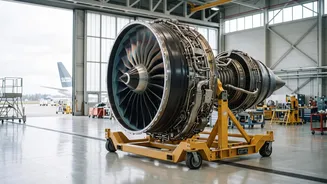
Modernising a fleet is not just about placing large orders; it's also about managing the existing aircraft. Air India has been dealing with higher maintenance costs and fleet availability issues stemming from years of underinvestment before its privatisation. The global aviation industry has also been grappling with supply chain constraints, making it harder and more expensive to get spare parts and perform timely engine maintenance. Having aircraft grounded for longer than expected means lost revenue opportunities while still incurring fixed costs like lease payments. These operational headwinds add another layer of financial burden on top of fuel and integration expenses.
A Loss, But a Smaller One
While the headline figure of a ₹10,500 crore loss is substantial, there is a silver lining. Financial disclosures from stakeholder Singapore Airlines indicate this loss is actually a 16% improvement from the roughly ₹12,500 crore loss posted in the same period last year. This suggests that the cost-cutting measures and operational restructuring efforts are beginning to yield results, even if they are being masked by the severe external pressures of high fuel prices. The journey to profitability is still long, but the trend shows some progress in the right direction.