






Why You Need a Fridge Agreement
Living with flatmates, whether in a PG or a shared apartment, involves navigating communal spaces. The kitchen, and specifically the refrigerator, is often the epicentre of minor conflicts. Unspoken assumptions are the primary cause of tension. One person
assumes leftovers are fair game, another is horrified to find their lunch gone. Establishing clear ground rules from the start prevents these misunderstandings. It's not about being overly strict; it's about creating a respectful environment that minimizes food waste, prevents arguments, and ensures everyone feels comfortable. A written agreement, even a simple checklist taped to the fridge door, serves as a neutral reference point that keeps everyone on the same page and reduces the need for awkward conversations later.
The Crucial Leftover Policy
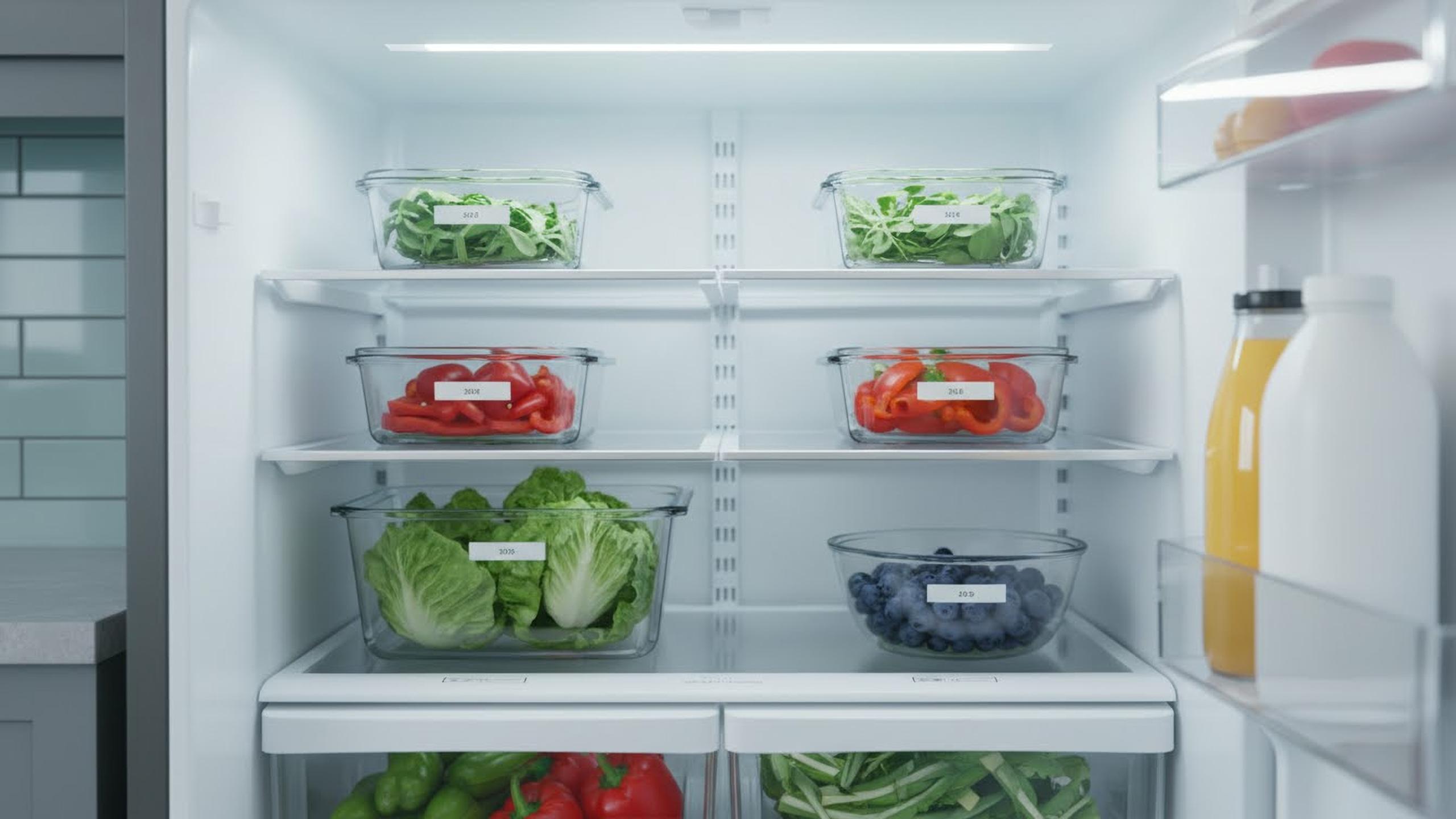
Last night’s takeaway or home-cooked meal can become a source of contention. A clear policy on leftovers is essential. The first rule is simple: label everything. A roll of masking tape and a marker are your best friends in a shared kitchen. Write your name and the date on every container. This simple act removes all ambiguity about ownership and freshness. Next, agree on a time limit. A “three-day rule” is a popular and effective system. If a container has been in the fridge for more than three days, it’s either eaten or tossed. For items you’re willing to share, create an “up for grabs” or “eat me” section on a designated shelf. This encourages sharing, reduces waste, and ensures no one’s meal is eaten by mistake.
The Weekly Clear-Out Ritual
To prevent the fridge from becoming a science experiment, a weekly clear-out is non-negotiable. This shouldn't be a monumental task; it’s a quick reset. Set a recurring time that works for everyone, like Sunday evening before the week’s grocery shopping begins. The process is straightforward: each person is responsible for their own items. Quickly go through your designated shelf or section, toss any expired food, and wipe up any spills. A rotating schedule can be implemented for a deeper clean of the whole fridge, where one person takes a turn each week to wipe down all the shelves and drawers. This shared responsibility ensures the burden doesn’t fall on one person and maintains a baseline of hygiene for everyone’s food.
Designating Fridge Zones
Organisation is key to fridge harmony. The most effective strategy is to assign each housemate their own space. This could mean each person gets a specific shelf or a designated portion of a shelf. If you have two roommates and two crisper drawers, each person gets a drawer. This creates clear boundaries and makes it easy to find your own items without rummaging through someone else’s groceries. The fridge door is often best treated as communal space for shared condiments, sauces, and drinks. Consider using clear, stackable storage bins labeled with names; this is especially helpful in smaller fridges where shelf space is tight. This system not only keeps things tidy but also makes it instantly clear how much space everyone has, preventing any one person from unintentionally taking over.
Managing Communal Items
While personal items need boundaries, some things are better shared. It’s often impractical for three people to have their own bottle of ketchup, jar of pickles, and carton of milk. Sit down and agree on a list of communal staples. This typically includes items like milk, butter, eggs, cooking oil, salt, sugar, and common condiments. Create a system for purchasing them. Some flatmates use a shared kitty or a digital wallet to which everyone contributes a small amount monthly. Others prefer a rotating system where one person buys the shared items each week. A shared shopping list on a whiteboard or a group chat can help track what’s running low, preventing both shortages and duplications.