




Myth 1: Flat-Pack Furniture Is Always Flimsy
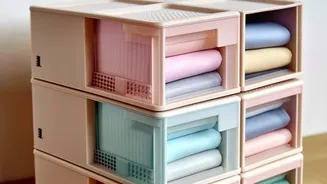
The reputation for wobbly, disposable flat-pack furniture isn't entirely unearned. Many low-cost options are made from particleboard, which consists of wood chips and adhesive. This material can struggle to hold screws over time, especially after being
disassembled and reassembled, leading to the infamous wobble. However, to say all flat-pack is flimsy is a vast oversimplification. The durability of ready-to-assemble furniture depends entirely on its materials and construction. Higher-quality versions often use Medium-Density Fiberboard (MDF), which is denser and more stable than particleboard, or even multi-ply plywood, which is significantly stronger and more resistant to warping. Plywood holds screws and fasteners much more securely, making for a sturdier final product. Some modern flat-pack designs even ditch hardware altogether, using precisely cut friction-fit joints that are incredibly robust and can be taken apart and rebuilt indefinitely without losing integrity. So, instead of judging by the box, look at the specs. A piece made of premium plywood will easily outlast a poorly made, pre-assembled item.
Myth 2: Solid Wood Furniture Is Always Immovable
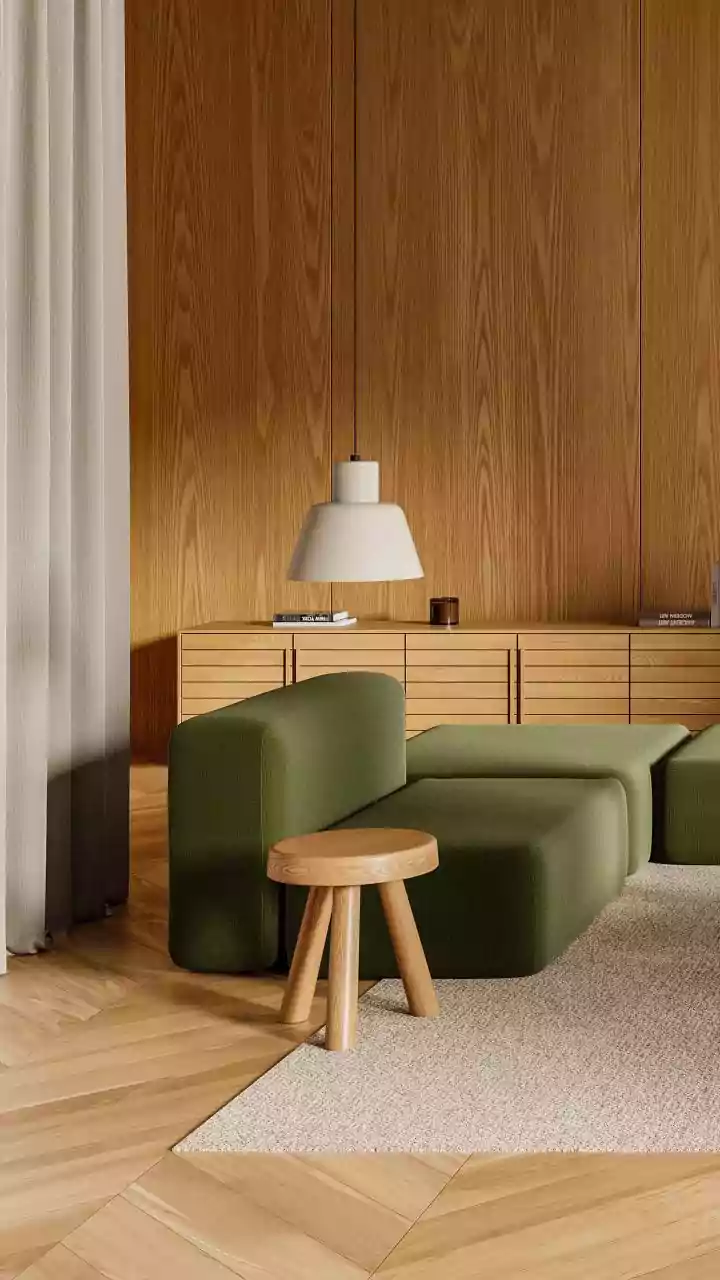
The thought of moving a solid sheesham or teak wood bed frame can be daunting. Solid wood is, by its nature, dense and heavy, which contributes to its feeling of permanence and quality. This weight is often seen as a major drawback, especially for those living in apartments or who move frequently. While it's true that a large, traditionally built solid wood piece can be a logistical challenge to relocate, the industry has evolved. Many modern brands now design solid wood furniture with mobility in mind. Modular design is a key innovation. Think of solid wood shelving systems or entertainment units built from individual, manageable blocks that can be stacked and arranged as needed. These pieces offer the durability and beauty of solid wood without the monolithic weight. Similarly, extendable dining tables and bed frames are now often designed for easy disassembly, using high-quality hardware that allows them to be broken down into more portable components without compromising their structural integrity when reassembled. So, while you probably won't be casually sliding a solid oak armoire across the room, choosing solid wood no longer means committing to a piece that can never leave its spot.
It’s the Construction, Not the Category
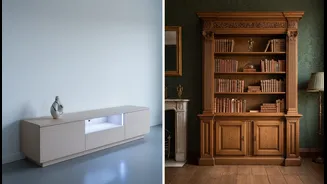
The real measure of furniture quality isn't whether it came out of a flat box or a workshop, but how it was put together. Joinery—the method used to connect pieces of wood—is paramount. High-quality furniture, whether solid or flat-pack, often uses techniques like mortise-and-tenon or dovetail joints. These interlocking methods create immense structural strength that doesn't solely rely on glue or screws. In contrast, many cheaper pieces are simply held together with staples and weak adhesives, which are bound to fail. For flat-pack furniture, the quality of the hardware is a major differentiator. Weak cam locks and screws that strip easily are signs of a piece not meant to last. Look for brands that use robust metal connectors and designs that reinforce joints. The material's quality is also crucial. A solid wood piece made from a soft pine will be less durable than a flat-pack item made from high-grade plywood. Ultimately, a well-engineered flat-pack piece will always be a better investment than a shoddily constructed solid wood one.
How to Choose the Right Furniture for You
Instead of thinking in terms of 'flat-pack vs. solid', ask yourself a few key questions. First, how will you use it? A bookshelf that will hold heavy hardcovers needs more structural integrity than a small side table. Second, how long do you plan to keep it, and how often will you move? If you relocate every few years, a flat-pack design built for disassembly or a modular solid wood piece might be more practical. Third, what’s your budget? While solid wood often carries a higher initial price, its longevity can make it a better long-term investment. However, high-quality flat-pack can offer excellent durability for a more moderate price. When you're in the store or browsing online, look beyond the photos. Check the material specifications: is it particleboard, MDF, or plywood? For solid wood, what type is it? Look at the joints. Are they reinforced? Read reviews to see how the piece holds up after a few months of use. By focusing on these details, you can make an informed choice that fits your home, lifestyle, and budget, regardless of how the furniture arrives at your door.