




How to Prepare and Use Rice Water
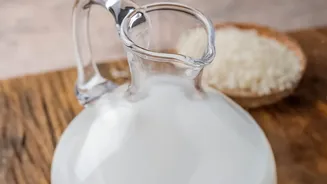
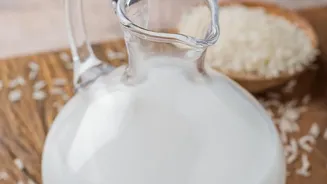
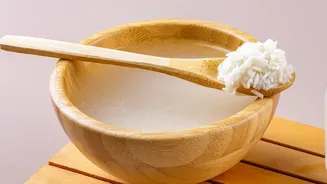
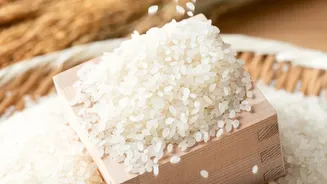
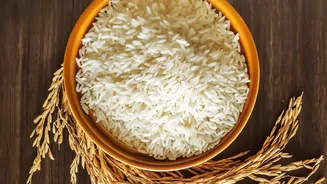
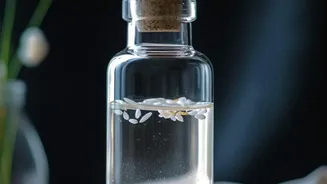
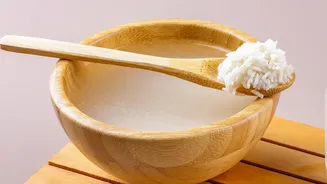
Preparing rice water is as simple as it sounds. The most common method is to collect the water after rinsing uncooked rice. Simply wash your rice as you normally would, but catch the milky-white runoff in a bowl or jar. This 'rinse water' is ready to use
immediately. You can also use the water left after boiling rice, but it's crucial that this water is unsalted and has no added oils or fats. Boiled rice water is often starchier, so it's best to dilute it with an equal amount of plain water before using. For best results, use the rice water once every one to two weeks in place of a regular watering. Apply it directly to the soil, as misting the leaves can sometimes encourage unwanted fungal growth.
1. A Source of Gentle Nutrients
The primary benefit of rice water is its role as a mild, natural liquid fertiliser. When rice is washed, water-soluble nutrients leach from the grains. This includes small amounts of nitrogen, phosphorus, and potassium (NPK)—the three primary macronutrients essential for plant life. It also contains other beneficial minerals like magnesium and zinc, as well as B vitamins. Unlike concentrated chemical fertilisers that can cause 'fertiliser burn' if overused, rice water provides a gentle boost that supports steady, healthy growth, especially for leafy plants.
2. It Feeds Beneficial Soil Microbes
Healthy soil is a living ecosystem teeming with microscopic organisms, and rice water helps to feed this community. The starch in rice water acts as a food source for beneficial bacteria and fungi, like mycorrhizae, that live in the soil. These microbes play a vital role in breaking down organic matter and converting nutrients into forms that plant roots can easily absorb. A thriving soil microbiome leads to stronger roots, improved nutrient uptake, and more resilient plants overall.
3. Promotes Stronger Roots and Growth
Studies have shown that using rice water can lead to tangible improvements in plant growth, including increased height and a greater number of leaves. Some of the most compelling benefits come from using fermented rice water. Fermentation not only increases the concentration of available nutrients but also encourages the growth of bacteria that produce indole-acetic acid (IAA), a natural plant growth hormone that specifically promotes root development. To ferment rice water, simply let the rinse water sit in a loosely covered jar at room temperature for a few days until it develops a slightly sour smell. Remember to dilute it before use.
4. May Help Deter Some Pests
While not a cure-all insecticide, using rice water may offer some indirect pest control benefits. A healthy soil microbiome, supported by the starches and microbes in rice water, can boost a plant's natural defenses. Furthermore, research has noted that rice water encourages the growth of certain soil fungi, such as Metarhizium anisopliae, which is a known biological control agent that can help suppress pests like aphids, thrips, and root weevils. This makes it a helpful addition to an integrated pest management strategy.
5. A Sustainable, Zero-Waste Practice
Perhaps the most immediate and undeniable benefit is sustainability. Reusing rice water is a fantastic way to reduce kitchen waste and conserve water. Instead of pouring a nutrient-rich byproduct down the drain, you are cycling it back into your home environment to nourish your plants. This simple habit costs nothing and aligns perfectly with an eco-friendly lifestyle, turning a mundane cooking step into a positive action for both your plants and the planet.
Important Cautions to Consider
While beneficial, rice water should be used in moderation. Overuse, especially of undiluted water, can cause the starch to form a crust on the soil, which may hinder oxygen flow to the roots. This starchy buildup can also attract unwanted pests like fungus gnats. It is critical to never use water from rice that has been salted or cooked with oil, as these additives can seriously harm your plants. If you notice any mould growth or unpleasant odours from the soil, it's a sign to cut back on the frequency of application.