





Embrace the Power of Pulses
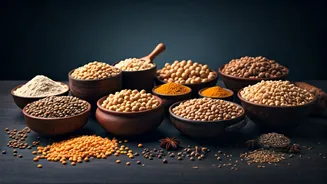
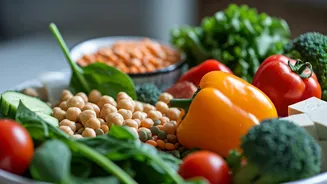
Forget imported protein powders. The secret to feeling full and energised lies in our own kitchens: dal, chana, rajma, and lentils. Pulses are a cornerstone of the Indian vegetarian diet for a reason. They are an incredible source of plant-based protein,
which is essential for muscle repair, and dietary fibre, which keeps you feeling satisfied for longer. This dual-action power helps prevent the blood sugar spikes and crashes that come from refined carbohydrates, stabilising your energy levels throughout the day. A simple bowl of dal with your meal isn't just tradition; it's a science-backed strategy for better health. Aim for at least one serving of pulses daily, whether in a classic dal tadka, a hearty chana masala, or even sprouted and added to salads.
Make Friends with Millets
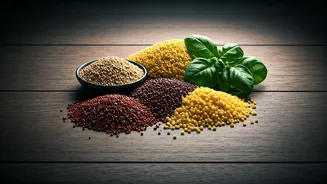
While wheat and rice are staples, our ancestors ate a much wider variety of grains. It’s time to bring back millets like jowar (sorghum), bajra (pearl millet), and ragi (finger millet). These ancient grains are gluten-free, rich in fibre, and have a lower glycaemic index than polished white rice. This means they release energy slowly, providing a steady supply rather than a quick rush followed by a slump. Ragi, for instance, is famously rich in calcium, while jowar is packed with antioxidants. Incorporating them is easy: swap your regular roti with a jowar or bajra bhakri, or start your day with a nourishing bowl of ragi porridge. They are not 'diet' foods; they are powerful, nutrient-dense staples.
Prioritise Gut-Friendly Ferments
A healthy gut is the foundation of overall wellness, impacting everything from digestion and immunity to mood. One of the best ways to support your gut microbiome is with fermented foods. And no, you don't need expensive kombucha. Simple, homemade dahi (yoghurt) is a probiotic powerhouse. It's packed with beneficial bacteria that aid digestion and improve nutrient absorption. Similarly, traditional pickles (achar) made without excessive oil and preservatives can be a source of probiotics. Even idli and dosa batter, when fermented naturally, contributes to gut health. Including a small portion of dahi or a similar fermented food with your main meals is a simple habit that pays huge dividends for your digestive system.
Go Beyond the Usual Greens
Palak (spinach) is great, but the world of Indian leafy greens is vast and incredibly nutritious. Explore local varieties like methi (fenugreek), amaranth leaves (chaulai), and drumstick leaves (moringa). These greens are low in calories but bursting with vitamins (like A, C, and K), minerals (like iron and magnesium), and antioxidants. Moringa, often called a 'superfood', is particularly notable for its anti-inflammatory properties and dense nutrient profile. The high fibre content in these vegetables also supports digestion and helps maintain a healthy weight. Sauté them with garlic, add them to your dal, or knead them into your roti dough for a simple nutritional upgrade.
Don't Fear Healthy Fats
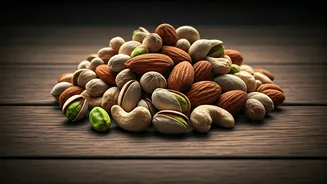
Fat is not the enemy; the wrong kind of fat is. Healthy fats are crucial for brain function, hormone production, and absorbing fat-soluble vitamins. Instead of processed oils and fried snacks, focus on whole-food sources. A handful of nuts like almonds and walnuts provides healthy monounsaturated fats and omega-3 fatty acids. Seeds like flaxseed (alsi) and chia are excellent sources of fibre and omega-3s. And yes, even ghee, when used in moderation, has its place. It's a stable fat that’s great for cooking and is a source of butyric acid, which is beneficial for the gut lining. A teaspoon of ghee on your roti or dal is a traditional practice rooted in nutritional wisdom.