
Why Your Old Measurements Don't Work
It’s a common mistake to assume that the measurements from your last big event are still accurate. Our bodies are not static; they change due to shifts in lifestyle, diet, stress, and exercise. Even small fluctuations of a few kilograms can significantly
alter how a garment drapes across your shoulders or fits around your waist. Relying on year-old numbers when ordering a custom suit or a made-to-order dress is a recipe for disaster. Tailors work in millimetres, where a slight change can make the difference between a sharp silhouette and an awkward fit. An off-the-rack garment bought with outdated information might be too tight in the bust or too loose in the hips, leading to a frantic search for a good tailor with a tight deadline. The goal of any event attire is to feel confident and comfortable, and that starts with acknowledging that your current body deserves current measurements.
The Right Time to Get Measured
Timing is everything. For those who wear suits regularly for work, tailors recommend a measurement check-up every 6 to 12 months to keep your wardrobe fitting perfectly. However, for a significant one-off event like a wedding, the timeline is more specific. For a bespoke or custom-made suit, you should get measured at least 3-4 weeks before the event to allow for creation and potential adjustments. For bridal gowns, the process starts much earlier, with initial fittings often happening months in advance. However, a final fitting closer to the date is crucial. Many bridal specialists advise against ordering a dress in a "goal size," instead suggesting you tailor the gown to your body as it is closer to the event. Leaving alterations to the last few weeks can cause immense stress, as complex gowns with beading or structured bodices require significant time to adjust properly.
How to Ensure Accurate Numbers
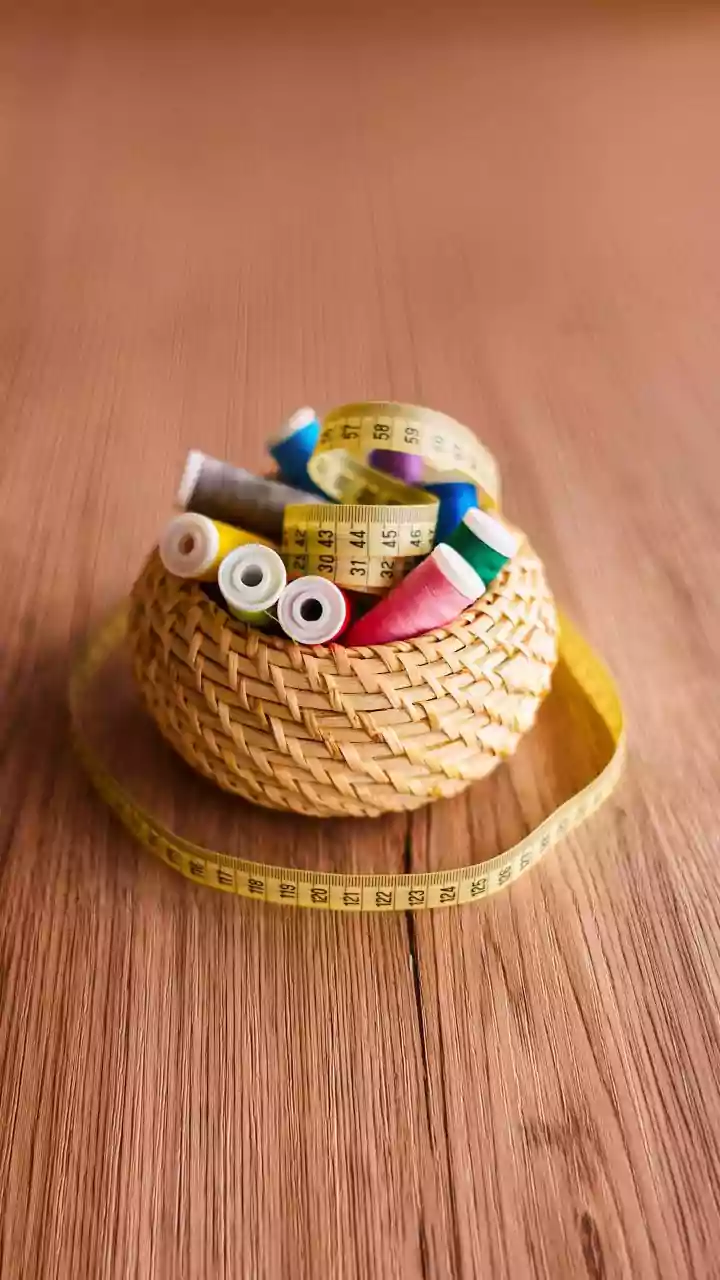
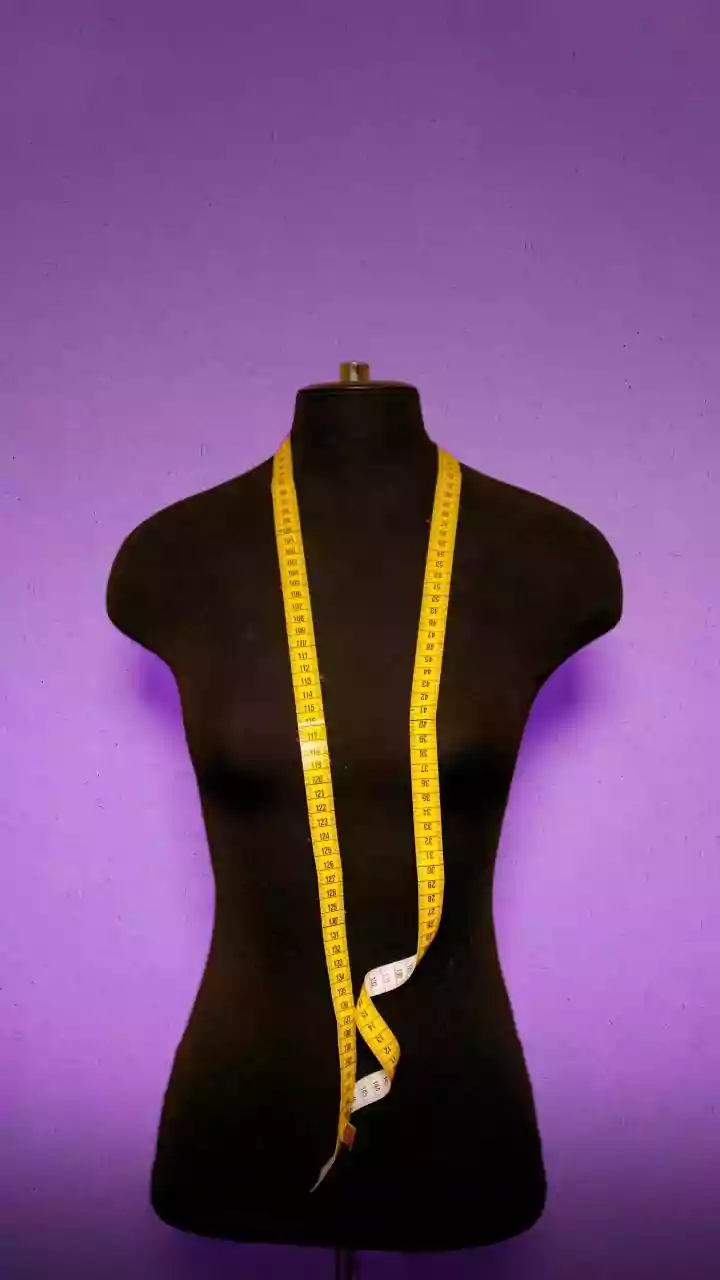
For the most precise results, nothing beats a professional tailor. They understand how to measure for movement, posture, and the specific cut of a garment. However, if you're taking measurements at home for an online order, you can still achieve accuracy with a few key steps. Use a soft, flexible measuring tape, not a metal one. Stand in a relaxed, natural posture—don't suck in your stomach or stand artificially straight. It’s best to have a friend help you, especially for measurements like your back width or inseam. Wear minimal, form-fitting clothing, like a thin t-shirt and leggings, to avoid adding bulk that can skew the numbers. For women, wear the undergarments you plan to wear with the final outfit, as a different bra can change your bust measurement and overall silhouette. Taking a moment to ensure your numbers are honest is the foundation of a good fit.
Preparing for the Fitting Itself
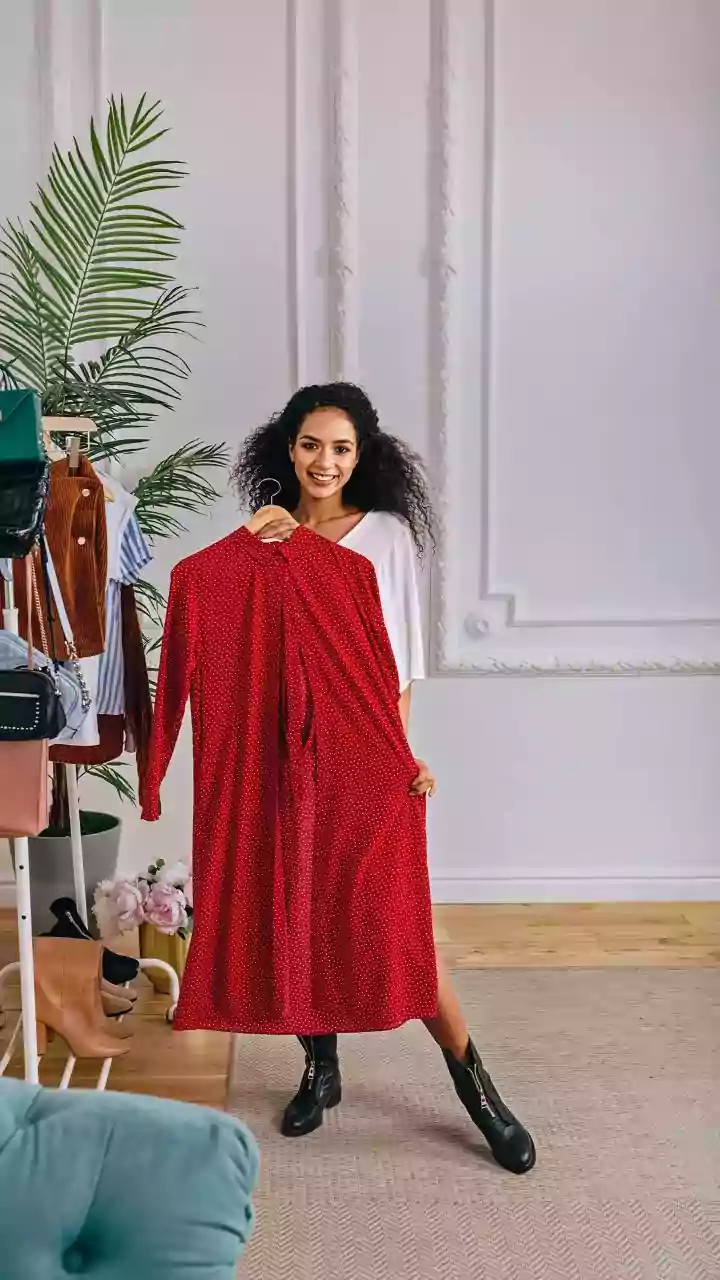
Once your garment is ready for a fitting, how you prepare for that appointment is just as important as the initial measurements. Always bring the exact shoes you will be wearing with the outfit. Heel height dramatically affects the proper hem length for trousers and dresses; even a slight change can make a hem too short or cause it to drag on the floor. Similarly, wear the specific undergarments—be it a particular bra, shapewear, or an undershirt—that you will wear on the day of the event. These items can subtly alter your body's shape and the way fabric drapes. A good fitting is also a movement check. Don't just stand still. Sit down, raise your arms, and walk around to see if anything pulls, pinches, or restricts you. This is your chance to communicate any discomfort to the tailor so they can make the necessary adjustments for you to feel great for hours.